
Everyone has a few things they hold onto "just in case." The problem is, those things add up-and they're quietly costing you money. Every extra box in storage, every closet full of backups, and every drawer that won't shut is tied to some form of financial clutter too. You might not be paying rent on a storage unit, but you're still paying in square footage, time, and energy.
Letting go doesn't mean you'll suddenly need everything you gave away. It means you'll stop spending to accommodate things you no longer use.
You're paying to store your own indecision
Whether it's an off-site unit or a garage that can't fit your car anymore, storage is expensive-sometimes in rent, sometimes in space you could use better. That "someday" pile isn't free to keep. It keeps you from using what you already have efficiently.
When you declutter, the goal isn't to create more room to store-it's to create more room to live. If something's been in a box for years and you haven't needed it, it's time to admit that the "just in case" moment probably isn't coming.
Backup appliances and tools you'll never actually grab
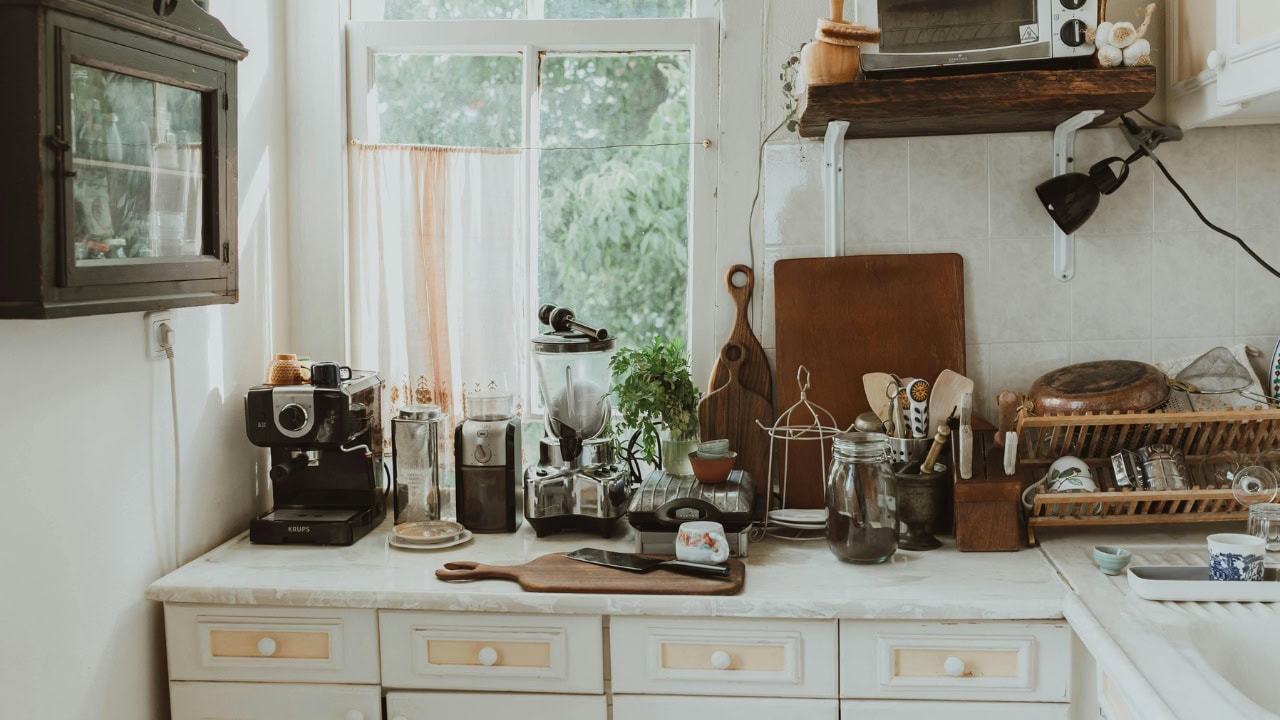
Old coffee makers, extra toasters, outdated electronics-those things you "might need again" are costing you more than they're worth. By the time you ever do, they'll probably be outdated, broken, or buried under more stuff.
You can always borrow or buy secondhand if that rare need comes up. Keeping backups "just in case" is rarely about practicality-it's about avoiding guilt for money you've already spent. But holding onto clutter doesn't make the purchase worth it. It only doubles down on the mistake.
Clothes that no longer fit your lifestyle
Closets are one of the biggest hiding spots for "maybe someday" clutter. The formal clothes, "skinny jeans," or workwear you haven't worn in years are taking up space that could be used for what actually serves you today.
If your life has changed-your job, your size, or your day-to-day routine-your wardrobe should too. Donate, sell, or consign what no longer fits your current life. You'll save time getting dressed and stop buying duplicates of things you forgot you owned.
Hobby supplies for interests that never stuck
Everyone has a box or bin tied to a hobby they planned to love. Maybe it's painting, scrapbooking, or gardening equipment you bought during a burst of motivation. If those items have sat untouched for years, they're not serving you anymore.
You can let them go without guilt. Keeping them "just in case" you start again only clutters your mental space. You can always start fresh later with what you actually need, instead of hanging onto reminders of what you didn't.
Sentimental clutter that's become a burden
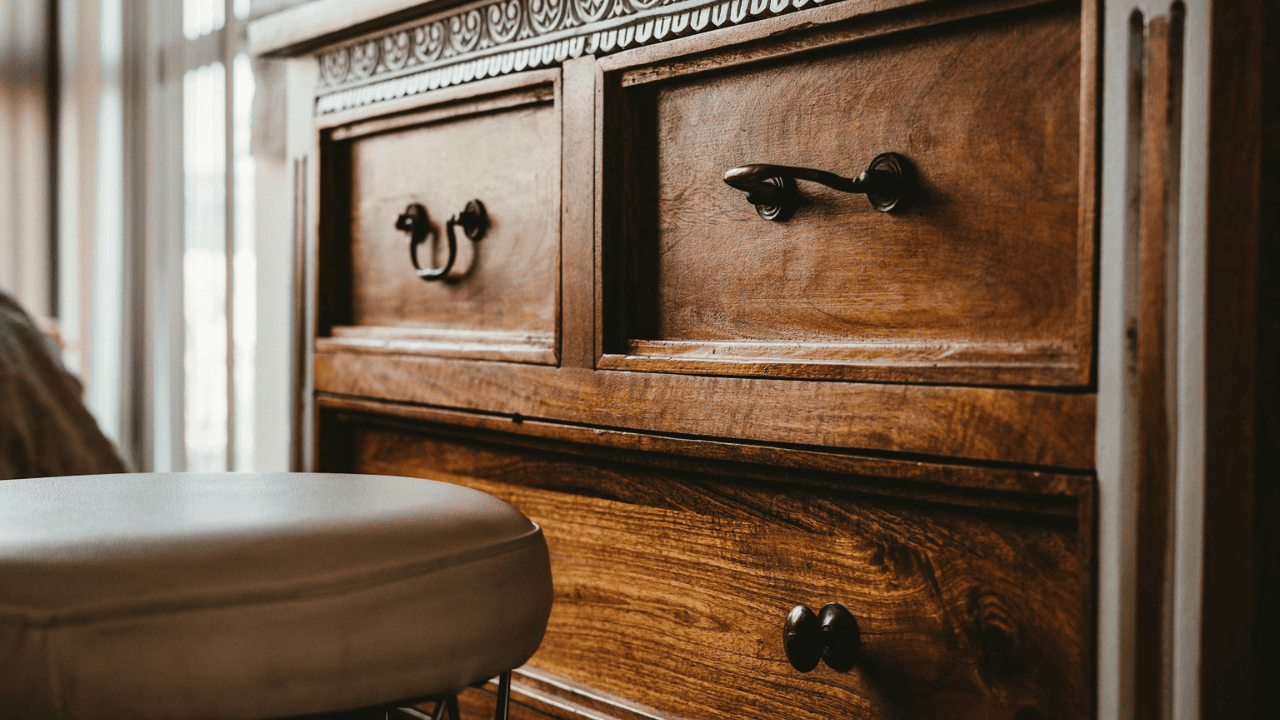
Old gifts, inherited furniture, or childhood keepsakes can carry emotional weight. But when those things fill your closets instead of your heart, they stop being meaningful.
You're not dishonoring the memory by letting go-you're honoring it by keeping only what truly represents it. Take a photo, write down the story, and release the rest. You'll keep the connection without keeping the clutter.
Supplies for "someday projects"
If you've ever said, "I'll use that for a DIY project," but haven't touched it in years, it's time to be honest. Spare lumber, leftover paint, and random hardware tend to pile up with good intentions. But until you actually build or fix something with them, they're just taking up room.
Set a time limit. If you don't have a plan for how you'll use it this season, out it goes. You'll free up space for the projects you'll actually finish.
The financial clutter behind physical clutter
Every item you keep has an invisible cost. It might be the money you spend on bins, shelves, or storage solutions to contain it. It might be the cost of heating or cooling an overstuffed space. Or it might be the mental toll of managing and cleaning around it.
Decluttering saves more than space-it saves cash and energy. The less you own, the less you have to maintain, store, and organize.
Releasing "just in case" clutter doesn't mean living with less-it means living with purpose. Every item you let go of makes more room for the things that actually serve you today. Once you stop paying for the past, your home and your budget will both feel lighter.
*This article was developed with AI-powered tools and has been carefully reviewed by our editors.






Leave a Reply