
If your standard December run-wrapping paper, a couple gifts, ingredients for your go-to dessert-rang up higher than last year, you're not losing your mind. Holiday inflation is sneaky.
It shows up in the pieces around the big stuff: smaller packages, pricier bakery items, and fewer true sales on the brands you rely on. You can't control the sticker, but you can control the plan.
The price moved in the middle, not the margins
Everyone watches toys and big electronics. Stores know that, so they keep headliners competitive and make up ground in décor, baking supplies, specialty snacks, paper goods, and "limited" holiday flavors. Those are the aisles that turn a normal cart into a surprise total.
If you want a calmer receipt, build your list around the center of the store with a hard cap: one treat per category. One bag of holiday chips, not three. One fancy cheese. One fun cereal for the kids. Limiting "one fun" makes you pick the best and ignore the rest.
Shrinkflation keeps winning until you look at unit price
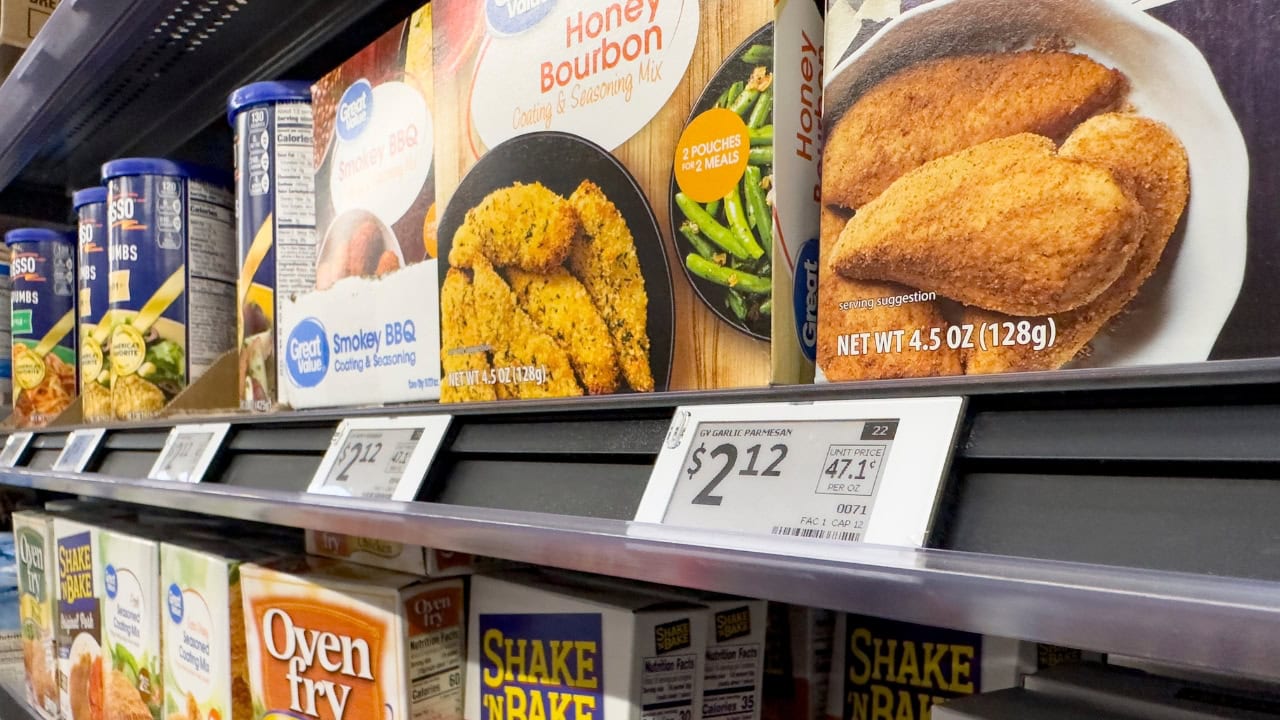
The package looks the same; the ounces don't. This is the year to read the shelf tag. If you typically grab the store brand, make sure it wasn't downsized while the sticker held steady. If your favorite national brand runs a real per-ounce sale, buy enough for January and February-not a hoard, just a buffer that keeps you from paying February's full price.
A small phone note with "buy at" unit numbers for ten items you always need pays you back every single trip.
Trading variety for abundance beats chasing deals
Holiday food feels bountiful when there's enough, not when there are twelve options. Run one anchor main and a short list of sides you can execute well. Choose a dessert that scales inexpensively-a sheet cake with whipped cream and fruit, a pan of brownies with crushed peppermint. Piles of simple food look generous and cost less than "a little of everything."
At the drink station, set water in a dispenser, one punch, and coffee/tea. Expensive single-serve drinks are where budgets go to die quietly.
Timing matters more than ever
If you're shipping gifts, bake the cutoff into your plan so you don't pay for upgraded postage. If you're traveling, book shoulder days where you can. If you're local, buy pantry items early and fresh items as close as possible so you don't overbuy "just in case."
And give yourself one home night midweek with a slow-cooker meal on purpose. Every "we'll just order out" that you avoid puts twenty to sixty dollars back into your holiday fund immediately.
Use light and music to carry the mood

When décor feels thin because prices are up, lean on atmosphere. Turn off overheads, use lamps with warm bulbs, and play the same playlist every year so it feels like tradition. A single candle smells like "holiday" as well as three. Mood costs less than merchandise and does the heavy lifting guests actually notice.
Keep a small "season operations" line
Inflation hits hardest when you pretend little costs don't exist. Set aside a modest amount for ice, trash bags, foil pans, tape, labels, and batteries. Buying them once is cheaper than three frantic runs where a dozen extras jump into your cart.
Inflation makes December louder. Planning makes it quieter. You don't have to match last year item for item. You have to deliver the parts people remember-time together, warm light, good food, and a house that still feels like home.
*This article was developed with AI-powered tools and has been carefully reviewed by our editors.






Leave a Reply