
If the numbers look okay on paper but life still feels tight every Thursday, you're not bad with money-you're in the wrong rhythm. Most "budget fails" aren't about willpower. They're timing problems, routine problems, and too many decisions stacked on already full days.
Fix the cycle and the same income suddenly feels different.
Cash flow beats categories
You can have perfect line items and still be ambushed by due dates. If deposits land on the 1st and 15th but big drafts hit on the 10th, 17th, and 28th, that's a calendar problem, not a spending problem.
Call three companies this week-utilities, insurance, internet-and move drafts to the five-day window after your deposits. Batch as many as they'll allow. When bills pull with your income instead of against it, the mid-month panic fades fast.
Decide once, then automate
Budgets die from decision fatigue. Pick "enough" numbers, not perfect ones: groceries, fuel, kid stuff, and a small cushion. Automate the rest. Transfers to savings and sinking funds should leave on payday before you can "mean to" move them later.
If automation scares you, start with one item-gifts, car maintenance, or property tax. When you see how much calmer it feels, add another.
Shrink the dinner decisions

Food is where good plans go to stall. You don't need a 30-meal rotation; you need five base dinners you can bend around sales. One slow cooker, one sheet pan, one skillet, one big pot, one "breakfast at night."
Write those five on an index card and stick it inside a cabinet. On heavy weeks, pick three and stop scrolling. Fewer choices means fewer "forget it, let's order."
Use a weekly reset, not a monthly overhaul
Monthly budgets look tidy and ignore real life. Do a five-minute Sunday reset instead. Open the fridge and freezer, make an "eat first" shelf, and write three meals that use what's there. Then look at the calendar and tag the two busiest nights as "home nights" with the easiest dinner on purpose.
This one habit saves more than most coupon stacks because it prevents the $60 panics.
Create lanes, not jars everywhere
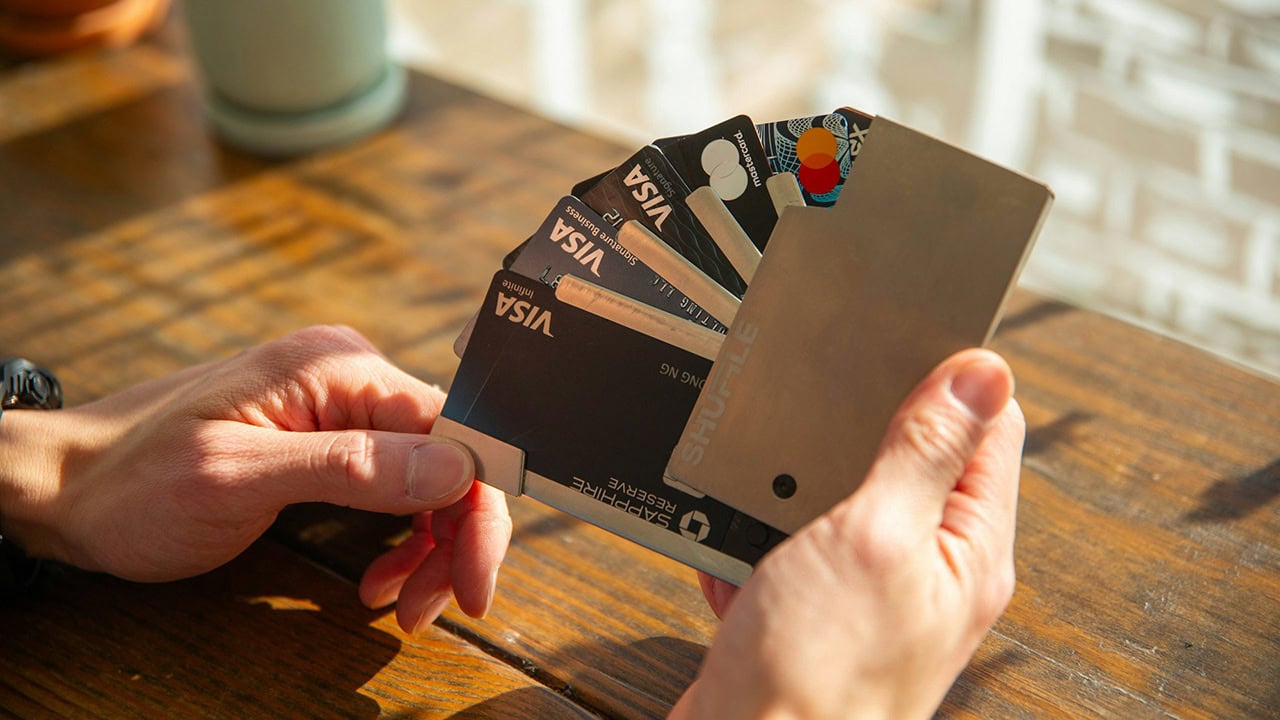
Too many accounts = too much noise. Use three lanes: bills (quiet, automated), spending (the card you swipe), savings (labeled buckets). That's it. When groceries and electric drafts stop sharing a checking account, you finally see whether you have a spending issue or a timing issue.
If you love cash envelopes, great. But envelopes won't fix a draft that hits three days before payday. Lanes will.
Put guardrails on the "exceptions"
Every family has two leaky categories-usually subscriptions and "little treats." Set a rotation rule for streaming (one at a time, two max) and a cap for spontaneous fun. Write the cap on a sticky note in your wallet. When it's gone, you're done until payday. Boundaries you can see beat math you can't feel.
Score the week, not yourself
At the end of each week, ask: did bills draft smoothly, did we cook twice, did we avoid surprise fees? That's a win. You're not chasing perfect. You're building a cycle that carries you without drama. When the rhythm starts working, money stops feeling like a character you're wrestling and starts feeling like a tool you use.
You're not broke. You're busy. Give your budget rails and it will carry you.
*This article was developed with AI-powered tools and has been carefully reviewed by our editors.






Leave a Reply