
Trying to save money by going cheap is one of those habits that feels smart at first but costs you more in the long run. Everyone's been there-grabbing the off-brand version or the "good enough for now" fix because it's cheaper today. But when you have to replace it three times in a year or it fails when you need it most, that bargain suddenly doesn't feel like a win.
At some point, you realize that buying smart once beats buying cheap forever. It's not about chasing expensive brands-it's about recognizing where quality actually saves money, time, and frustration.
Tools that won't quit on you
If there's one place to stop cutting corners, it's your tools. Cheap drills, saws, or wrenches might work for a few months, but when they strip out or break mid-project, you end up spending double to replace them. Quality tools last decades and often come with lifetime warranties.
Look for brands that have been around long enough to stand behind their products. You don't need every tool on the wall-just a few reliable ones that won't let you down. When you stop buying replacements, you'll see how quickly "expensive" turns into savings.
Work boots and gear that actually protect you
You can buy cheap boots every year or a solid pair that lasts five. The difference isn't about style-it's about construction. Good boots protect your back, your posture, and your time. The same goes for gloves, work pants, and jackets.
You don't have to spend designer money to get quality, but you do need to skip the bargain-bin versions. Look for reinforced stitching, durable soles, and materials that hold up under real use. When your gear works as hard as you do, it pays for itself.
Cookware that won't wear out
Kitchen gear is one of the sneakiest money drains because cheap pans warp, cheap knives dull, and cheap appliances burn out. If you cook at home often, investing once in quality cookware makes life easier and cheaper over time.
A good cast iron skillet, stainless steel pots, and a sharp chef's knife can last decades. They don't need replacing every time something sticks or scratches. You'll also cook better and waste less food when your tools actually work the way they should.
Appliances built to last
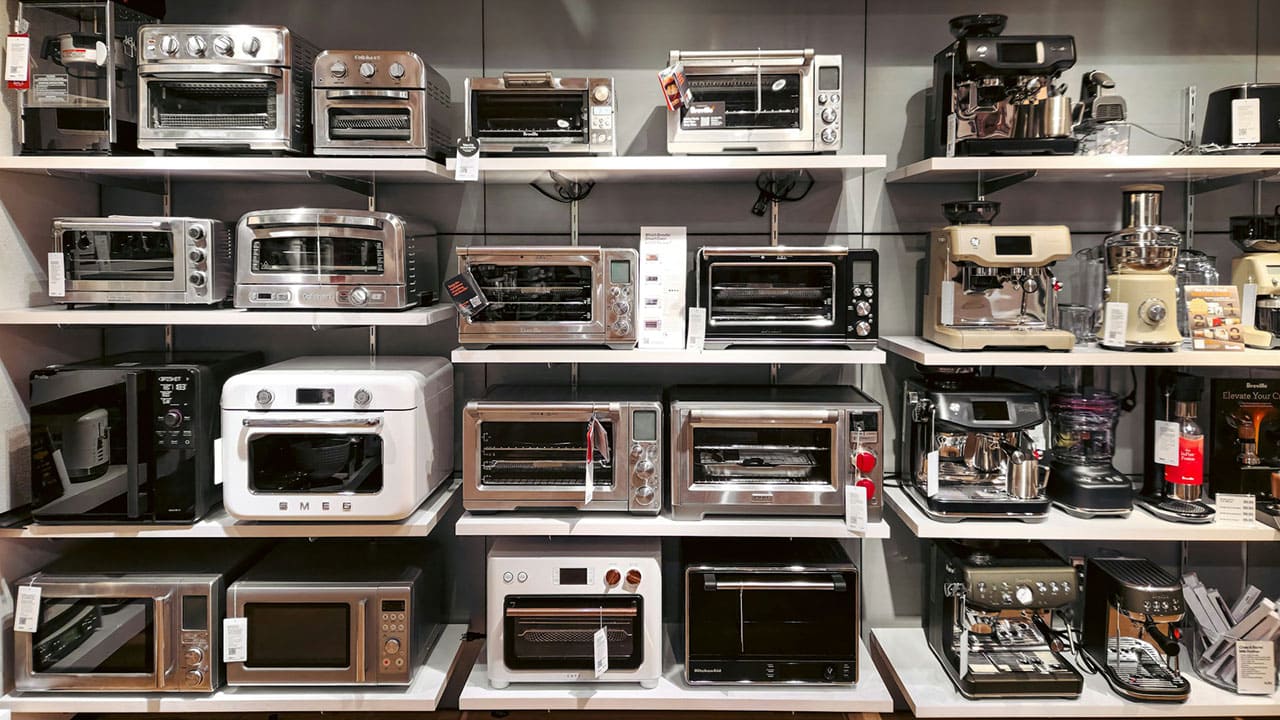
Appliances aren't something you want to keep replacing. The cheapest models often use cheaper components that wear out fast-and when repair costs match the purchase price, you're back at square one.
Mid-range, dependable brands are usually the sweet spot. You don't need the newest features or touchscreen everything. What you need is solid construction, accessible parts, and a reputation for longevity. Spending a little more upfront means fewer breakdowns and years of consistent use.
Outdoor equipment that can take abuse
If you maintain land, mow lawns, or work outdoors, you know how fast cheap equipment gives out. Lawn mowers with weak engines, flimsy trimmers, or budget chainsaws never hold up under real use. You'll end up spending your weekends fixing instead of finishing.
Buying quality outdoor equipment doesn't mean buying the biggest or most expensive-it means choosing machines made with repairable parts and reliable engines. It's the difference between ten seasons of use and one frustrating summer.
Furniture that's actually worth keeping
Flat-pack furniture might be fine for temporary setups, but if you're furnishing a home you plan to stay in, solid wood is worth the upgrade. Cheap furniture chips, sags, and needs replacing every few years.
When you buy pieces made to last-real wood tables, sturdy dressers, or well-made chairs-you end up spending less over time. They can handle repairs, refinishing, and even hand-me-down life cycles. It's one of those upgrades that pays off every single year you don't have to shop again.
Everyday essentials that don't fail
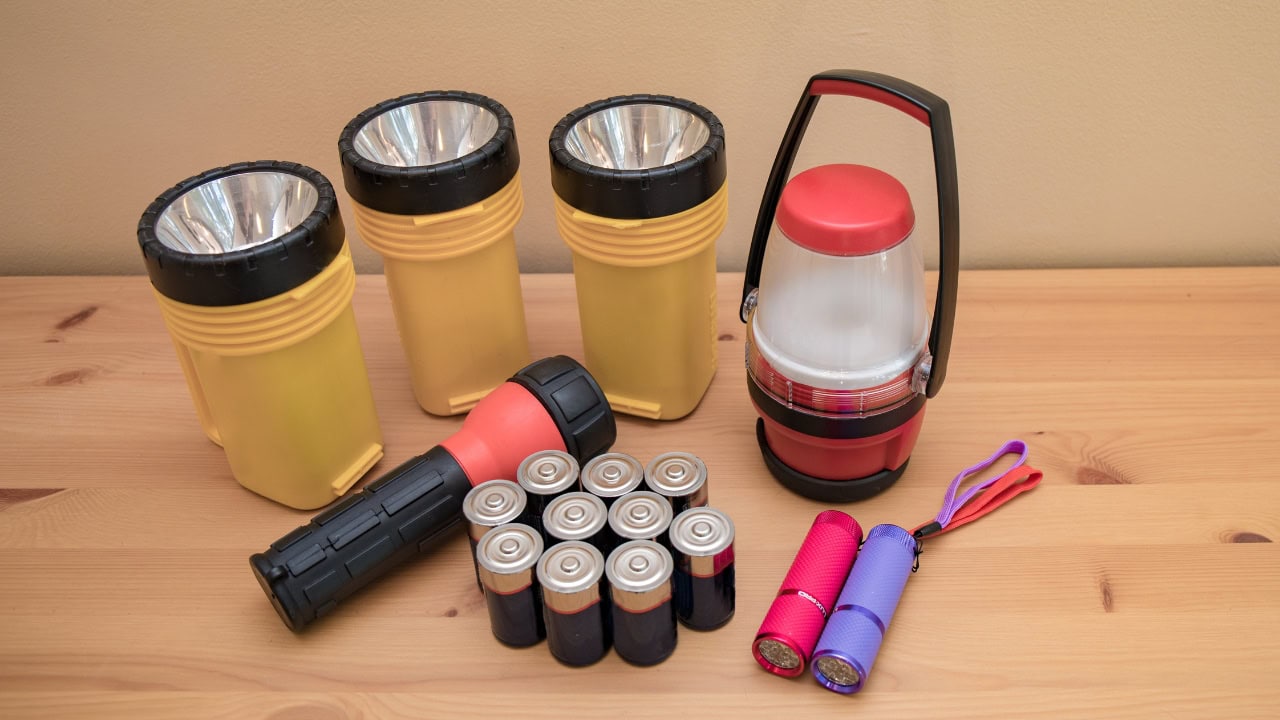
Not everything has to be a luxury purchase, but there are a few basics worth upgrading once: a reliable flashlight, a quality hose that won't kink, durable sheets that actually hold up to washing, and a mattress that won't sag after six months.
These are the items you use daily-the ones that either make your life smoother or drive you crazy when they fail. Spending a little more here saves you from constant replacements and daily annoyances.
Stop confusing cheap with smart
There's a difference between being frugal and being short-sighted. Cheap feels good today, but it rarely feels good a year from now. The smarter approach is buying once, maintaining what you own, and letting longevity do the saving for you.
When you start choosing quality where it matters, you'll notice something else too-you actually stop shopping so much. And that's where the real savings come in.
*This article was developed with AI-powered tools and has been carefully reviewed by our editors.






Leave a Reply