
Clearance racks and end caps can feel like treasure hunts. You see the red sticker, the markdown tag, the "final sale" sign-and your brain immediately tells you it's the best deal in the store.
But here's the catch: clearance pricing isn't always as final-or as cheap-as it looks. Stores know those bright stickers grab attention, but behind the scenes, prices shift constantly. Sometimes, what looks like a steal is actually higher than it was a few days ago, or more than it'll be next week.
If you've ever walked away thinking you scored big, only to see the same item drop lower later, you're not alone. The clearance sticker can lie-but there are ways to spot it before you fall for it.
Clearance doesn't always mean lowest
A "clearance" tag sounds final, but it doesn't always mean it's the rock-bottom price. Many stores use tiered markdown systems-items move from one color sticker to another or drop again after a set number of weeks. That means the price you're seeing might still be mid-way through the markdown cycle.
If you shop certain stores regularly, it's worth learning their system. For example, Target's clearance tags end in specific numbers that signal how far along the markdown is, and Home Depot uses yellow tags for clearance but red ones for final markdowns. The more you recognize these patterns, the less likely you'll be tricked into buying too early.
Online prices can be lower than in-store
It's not uncommon for a "clearance" item in-store to be cheaper-or even full price-online. Retailers use different pricing systems for online and physical locations, and they don't always match up.
If you're standing in a store with your phone in hand, it pays to do a quick search before you check out. Scan the barcode or type the product name into the retailer's website. Sometimes the same exact product is listed online for less-and you can ask for a price match right there. A two-minute check can save you a surprising amount of money.
Price drops happen after clearance hits
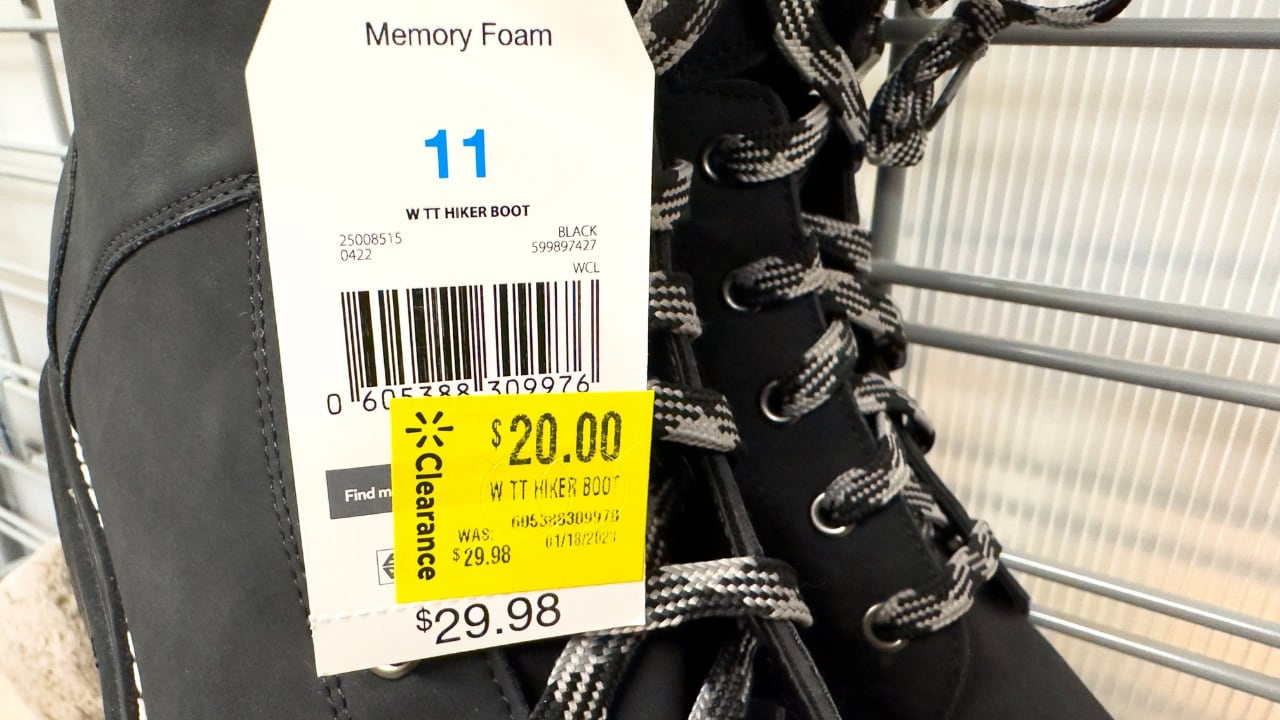
Many stores continue to lower prices even after something's labeled clearance. The sticker doesn't always get updated immediately, especially in larger chains with automated pricing systems. That means the register might ring up a lower total than what's marked.
If you're shopping somewhere like Walmart or Lowe's, take the item to a price scanner or self-checkout before you commit. The clearance tag might say $24.99, but the actual price could be $15 or less. Always double-check-you might catch a markdown that hasn't been reflected on the shelf yet.
Retailers play with "original" prices
One of the biggest tricks behind clearance pricing is inflating the "original" price to make the discount look more dramatic. The tag might say "$59.99-Now $39.99," but that item could've been selling for $39.99 all along. The "original" price is often just a reference number that makes the markdown feel more impressive than it is.
If you really want to know whether you're getting a deal, check the item's price history online. Tools like Honey, CamelCamelCamel, or even a quick Google search of the product name can show past prices. It takes 30 seconds and can save you from falling for fake markdowns.
Clearance can be cheaper during seasonal flips
Here's something most people don't realize: stores often mark down clearance again during seasonal resets. That's when they swap out winter inventory for spring or summer stock for back-to-school. During those times, they'll slash prices just to make room, meaning your "70% off" tag today could hit 90% off by next week.
If you're not in a rush to buy, waiting can pay off. The trick is timing. Learn when your favorite stores do their resets, and you can snag clearance items when they're truly at their lowest.
Clearance can still be price matched

Most people assume clearance items are final and excluded from price matching, but that's not always the case. Some stores will still honor price adjustments if an item goes lower within a certain time frame-or if it's cheaper online.
Keep your receipt and ask. Target, Kohl's, and several grocery chains will refund the difference if the price drops shortly after you buy it. It takes a few minutes of effort, but those small differences add up over time, especially if you're buying household or seasonal items.
Not everything on clearance is worth it
Clearance can be a trap when it convinces you to buy something you wouldn't have looked twice at if it were full price. A $10 deal on something you'll never use is still $10 wasted. That's where most people lose track of their budget-they confuse getting a bargain with getting value.
Ask yourself: would I buy this at full price? If the answer's no, then the clearance sticker isn't a deal-it's bait. You're better off waiting for a discount on something you actually planned to buy.
Clearance stickers aren't the enemy, but they're not always your friend either. Stores rely on psychology as much as pricing to make you feel like you're winning. When you start double-checking, scanning, and questioning every "deal," you'll find that the best savings come from buying intentionally-not reactively.
The red sticker might look exciting, but the real reward is keeping your money in your pocket until the deal's truly worth it.
*This article was developed with AI-powered tools and has been carefully reviewed by our editors.






Leave a Reply