
A lot of people try to save money by cutting corners, but sometimes those "frugal" habits backfire. You think you're doing the smart thing, but when you step back and look at your bank statement, you realize you're quietly wasting cash every month.
The problem isn't your effort-it's that some money-saving shortcuts don't work the way they used to.
Buying in bulk without tracking what you actually use
Stocking up at warehouse stores feels responsible, but it's only a deal if you actually use what you buy. Too many people end up tossing expired condiments, half-empty cleaning bottles, or stale snacks that were bought "to save money."
If your pantry or garage has more than one shelf of forgotten bulk items, that's money you could've kept. Bulk makes sense for things you go through quickly-like toilet paper or rice-not perishable or seasonal items.
Using the cheapest products and having to replace them often
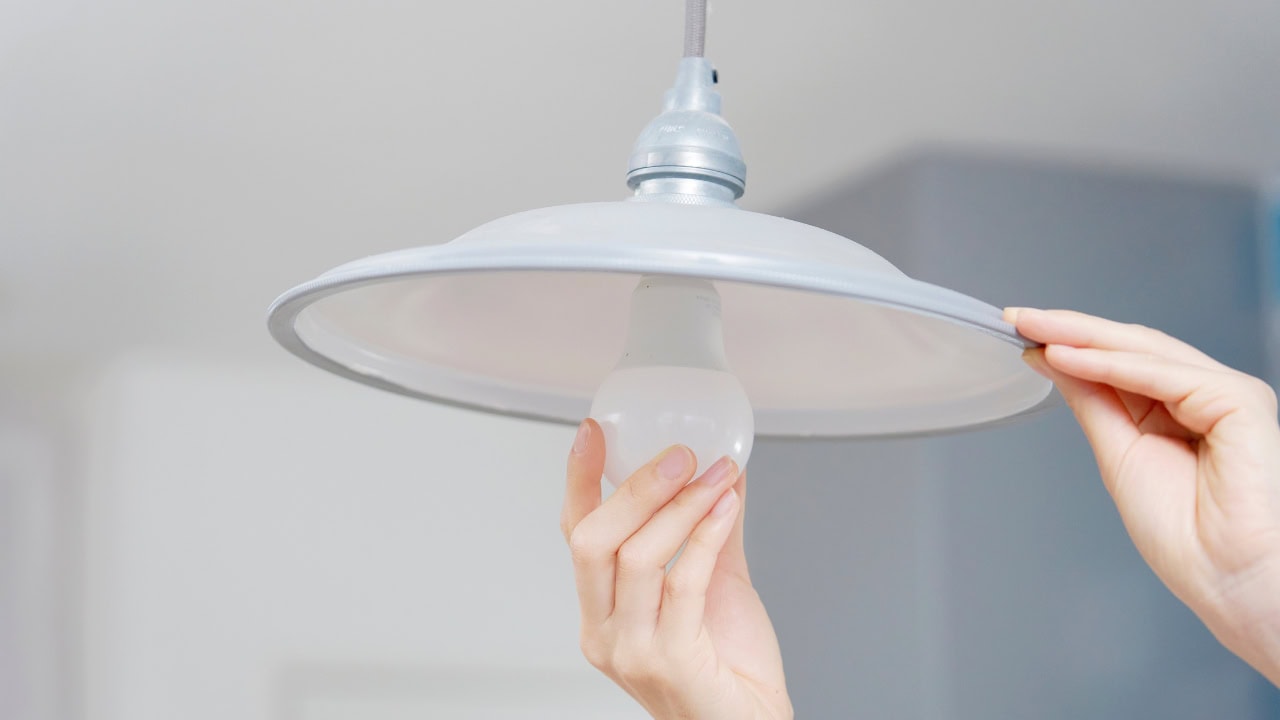
You save a few bucks upfront, but replacing cheap items every few months adds up fast. Low-quality batteries, light bulbs, tools, or cleaning products all wear out quicker than better-made versions. That $5 "deal" ends up costing you more than the $12 version that would've lasted a year.
You don't need top-of-the-line everything, but knowing when to spend a little more saves money over time. Durable items-especially ones you use daily-are worth the higher price tag.
Skipping maintenance because it "still works"
Putting off small repairs feels frugal until something breaks for good. Ignoring oil changes, skipping HVAC filters, or leaving that small leak alone turns affordable fixes into big bills.
The reality is maintenance is cheaper than replacement. You don't see the savings right away, but you feel them later when your appliances, car, and home systems last years longer than expected.
Avoiding the upfront cost of energy-efficient upgrades
That older fridge or set of light bulbs might seem "fine," but they could be eating $20-$30 a month in electricity. The same goes for outdated thermostats, drafty doors, or water heaters running on old settings.
Energy-efficient appliances, LED lighting, and smart temperature control cost more initially, but they pay themselves off faster than most people realize. You don't need to replace everything at once-start with the worst offenders and watch your utility bills shrink.
Chasing every coupon and sale
Hunting deals feels thrifty, but if you're buying things you wouldn't have needed otherwise, you're not saving-you're spending. Those "buy two, get one free" offers are designed to make you buy more, not spend less.
If you use coupons, focus on essentials you'd buy anyway-groceries, toiletries, cleaning supplies. Skip the discounts that lure you into grabbing extras "because it's a good deal." The best couponers know saving only counts when it reduces what actually leaves your account.
Sticking with outdated service plans
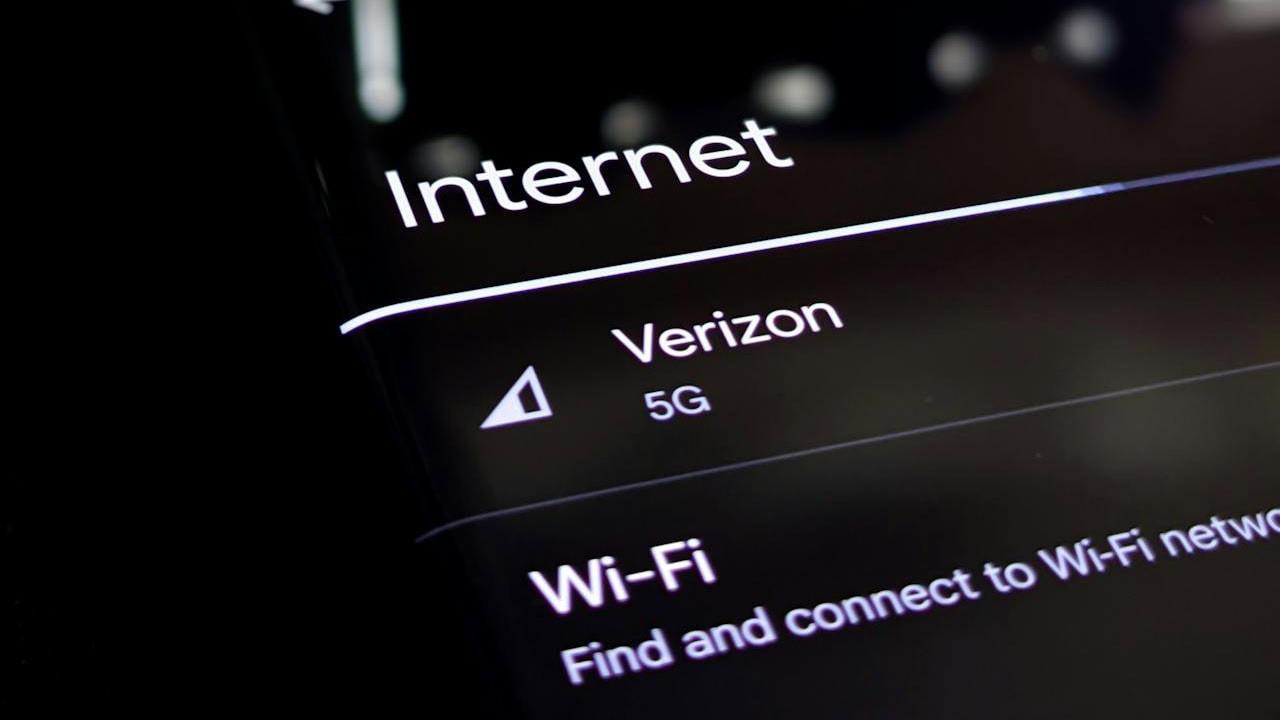
Many people overpay for subscriptions, phone plans, or internet packages simply because they haven't rechecked their rates in years. Companies quietly raise prices over time, and loyalty rarely comes with rewards.
Reviewing your bills once or twice a year can easily free up $50-$100 a month. Call and ask about current promotions or switch to smaller providers. Most people find they can cut costs without sacrificing coverage or speed.
Doing everything yourself instead of delegating smartly
DIY saves money-until it doesn't. Sometimes paying for help prevents bigger expenses later. If you tackle electrical work without experience, skip professional tax prep, or overextend yourself with home projects, you risk making costly mistakes.
Frugality isn't about doing everything on your own-it's about spending intentionally. If a professional can do it safer, faster, and right the first time, it's usually worth the cost. Knowing when to take something on and when to hire out is one of the smartest financial skills you can have.
*This article was developed with AI-powered tools and has been carefully reviewed by our editors.






Leave a Reply