
There's something satisfying about finally getting your home in order. Every drawer has a purpose, the closets aren't packed to the brim, and your counters actually show wood again. You've decluttered, sorted, labeled, and maybe even color-coded.
But even with everything in its place, your bank account might not feel any more organized-and that's because there's one area most people forget to tackle: the places where energy, water, and waste sneak out unnoticed.
Your utility habits didn't get the same refresh
You can have the cleanest house on the block, but if you're still running appliances the same way you did before, you're probably overspending without realizing it. Old habits-like doing laundry on hot, running the dishwasher half full, or leaving lights on in empty rooms-keep draining money month after month.
Try thinking of your energy use as another kind of clutter. Track what you actually use for a week and see what could be scaled back. Most homes can cut 10-20% off their utility bills just by paying attention to small, repeat actions that have turned into routine waste.
Your HVAC system is working harder than it should
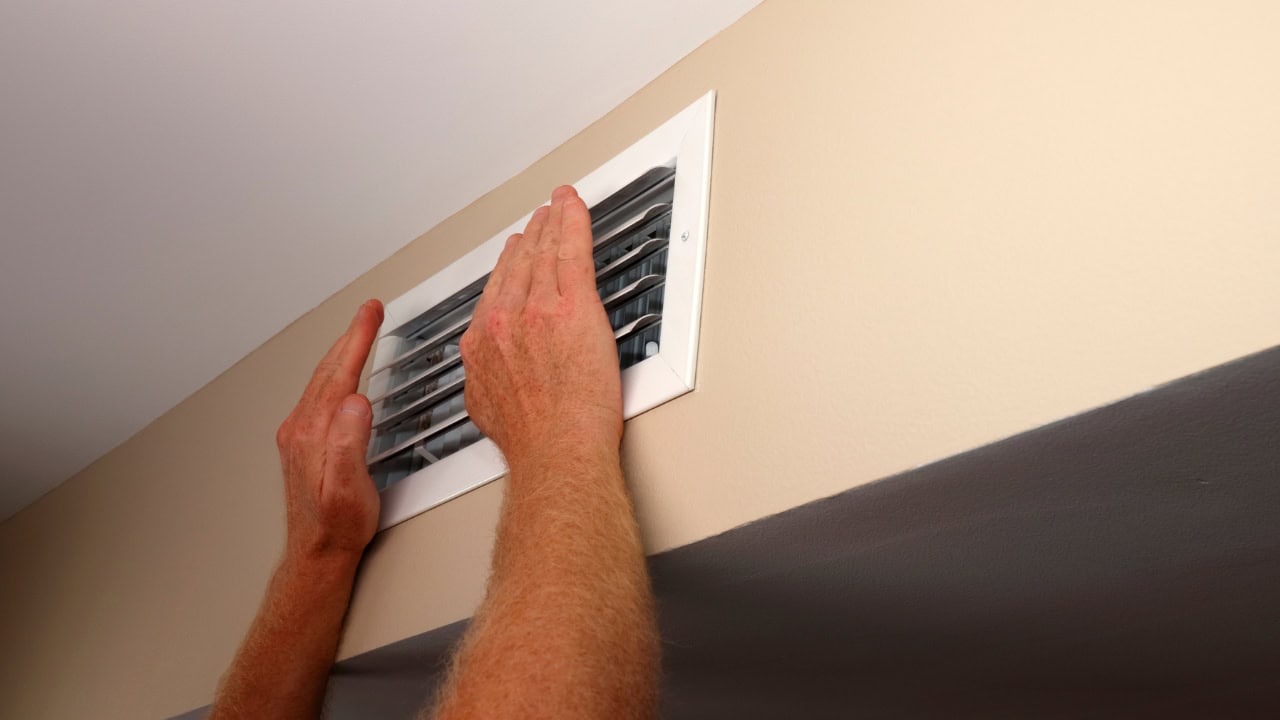
If your filters are dirty or your vents are blocked by furniture, your HVAC system is probably overcompensating. It's one of those "out of sight, out of mind" issues that makes a real dent in your wallet.
A fresh filter, open vents, and a clear return line can instantly make your system more efficient. You don't need a fancy smart thermostat to save money-just a little regular attention. And if your thermostat sits near a drafty window or heat source, even relocating it can stop unnecessary cycles that keep your bills higher than they should be.
The garage, attic, or shed is quietly bleeding energy
If you've organized your living spaces but left the garage or attic untouched, you might be missing a huge source of waste. These areas often have poor insulation, air leaks, or unsealed doors that let heat and cool air escape. Even if they're not conditioned spaces, they can still pull energy from the rest of your house.
Adding a bit of insulation or weatherstripping can make a noticeable difference. If your garage shares a wall with the house, sealing it properly helps your HVAC work less and lowers energy loss that adds up month after month.
Appliances are staying plugged in 24/7
Most people don't think twice about what stays plugged in. Coffee makers, TVs, chargers, microwaves-all of them keep drawing power even when they're not on. It's called phantom energy, and it can quietly add $100 or more a year to your electric bill.
The fix is simple: use power strips you can flip off or unplug when not in use. It sounds small, but these are the kinds of changes that add up once you start catching them. It's like decluttering your electric usage-only instead of donating, you're saving.
You haven't cleaned what keeps your home running
You probably deep-cleaned your cabinets, baseboards, and windows, but when was the last time you checked your dryer vent or refrigerator coils? Those are the kinds of overlooked areas that quietly drain efficiency and spike energy use.
A clogged dryer vent not only wastes electricity-it's a fire hazard. Dusty coils make your fridge work harder to stay cold. Spending ten minutes on either of these once or twice a year can shave real money off your bills and keep your appliances from burning out early.
Your hot water habits didn't change

If you've got long showers, an old water heater, or a thermostat set higher than necessary, you're paying for it every single day. Most people never adjust their water heater's temperature, even though lowering it to 120°F is plenty for daily use and can save a decent chunk on utility costs.
Shortening showers, fixing small leaks, and using cold water for most laundry loads add up fast. You might not see a huge difference on one bill, but over time, those tweaks can equal an entire month of payments saved each year.
Your organization stopped at the surface
Getting your home organized makes life easier-but true efficiency goes deeper than what you see. When you take that same mindset and apply it to how your house runs, you'll finally start to notice a difference in your budget too.
Every well-labeled bin and tidy shelf makes your space look better, but every small habit change makes your house work better. And that's the kind of organization that actually pays you back.
*This article was developed with AI-powered tools and has been carefully reviewed by our editors.






Leave a Reply