
Being frugal used to feel like an option - something you did to get ahead or save for a big goal. Now, it's starting to feel like survival. Prices keep rising, paychecks don't stretch as far, and the "little" extras seem to add up faster than ever.
But here's the thing - the people who've always lived within their means are handling this new reality better than most. Frugality isn't outdated or restrictive; it's smart. It's what keeps you steady when everything else feels unpredictable.
Costs are rising faster than paychecks
Groceries, gas, insurance, utilities - everything costs more than it did a year ago, and there's no clear sign it's slowing down. You can't always make more money to match inflation, but you can control how much you spend.
Frugal habits like price tracking, cooking at home, and planning purchases ahead of time help you adjust faster than those still spending like it's 2019. When you already live intentionally, inflation hurts less. You're not shocked when prices jump because you've built your lifestyle around getting the most value out of every dollar.
Debt is getting more expensive
Credit card rates, loan interest, and mortgage payments have all climbed right alongside prices. That means every dollar borrowed now costs more to pay back. The people who built frugal habits - like paying cash when they can and avoiding impulse debt - are saving more than they realize simply by not paying those extra fees.
When you stay frugal, you're not just saving on purchases. You're avoiding the cost of borrowing money to make them. That's where real financial breathing room comes from - not having to dig out of a hole every time an unexpected expense hits.
Emergency funds matter more than ever

Frugality and preparedness go hand in hand. Living frugally gives you the margin to save, and that savings keeps you stable when life throws something at you - a car repair, a medical bill, or a job change.
Even if you're only putting away a small amount, the habit matters. Every time you choose to save instead of spend, you're protecting your future self. It's not glamorous, but that's what builds security. You don't have to panic when prices spike or your hours get cut because you've already made a plan for it.
It protects you from lifestyle creep
One of the easiest traps to fall into is letting your expenses grow every time your income does. A little raise turns into a bigger car payment or more takeout nights. But when you live frugally, you learn to separate wants from needs - and that mindset doesn't change when you earn more.
Being frugal keeps your priorities straight. You stop chasing upgrades and start appreciating what's already working. The less you depend on "stuff" to feel good, the easier it is to stay in control when things get tight.
It keeps you creative and resourceful
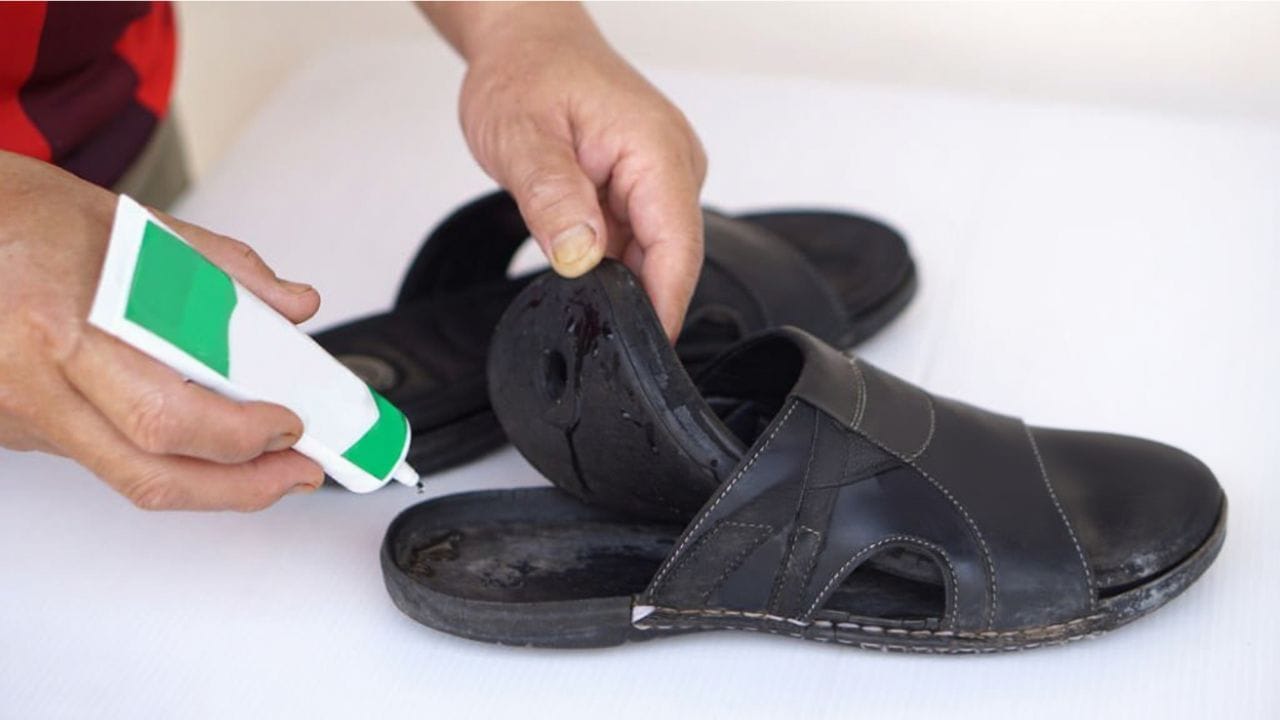
Frugal people don't panic when something breaks or a plan changes - they adapt. You start thinking in terms of solutions instead of replacements. Maybe that means learning to fix something instead of tossing it, or finding a new use for what you already own.
Those small problem-solving habits build resilience. You become more capable and confident because you're not relying on throwing money at every problem. That kind of self-reliance matters more than ever in a world where convenience always comes with a higher price tag.
It lets you focus on what actually matters
Frugality isn't about deprivation - it's about freedom. When you're careful with your money, you buy yourself peace of mind. You can make choices based on what's right for you, not what your bank account dictates.
You stop feeling trapped by bills, and you start thinking ahead instead of playing catch-up. That shift changes everything - your stress levels, your relationships, and your sense of stability. You're not living in reaction mode anymore. You're living with intention.
Being frugal doesn't mean being cheap. It means being aware. It's the quiet discipline that helps you weather hard times without panic and appreciate the good times without overspending. Right now, that kind of steadiness isn't optional - it's essential.
*This article was developed with AI-powered tools and has been carefully reviewed by our editors.





Leave a Reply