
Downsizing is supposed to make life easier. Less space, fewer bills, simpler living-that's the dream. But what a lot of people don't realize is that moving into a smaller house doesn't automatically fix the way money moves through your hands.
You can cut your square footage in half and still watch your bank account drain if your old habits followed you to the new address.
You're heating and cooling like you still have 2,000 square feet
Smaller homes save energy, but only if you let them. If you're still blasting the heat all day or keeping the AC low because you're used to having space to fill, you're probably overpaying. A smaller house warms up and cools down faster, so your thermostat shouldn't run on the same schedule it did before.
You can trim your bill just by adjusting your settings and closing vents in unused rooms. Smart thermostats help, but even without one, you'll notice a difference if you treat your home like the smaller space it is.
You're holding onto "backup" furniture
Downsizing doesn't always mean you're ready to let go of your stuff. Many people bring all their furniture, décor, and extras into the new place with the thought that they'll "figure it out later." The problem is, all those unused pieces take up space and tempt you to spend on storage.
You might not think that's a big deal, but off-site storage fees or overcrowded rooms lead to stress-and sometimes more buying. You'll keep purchasing storage bins, racks, and shelves trying to make it all fit when the real fix is letting things go.
You're still buying in bulk
Big houses and big pantries make buying in bulk easy. But when you downsize, you don't have the same space-or the same consumption needs. Buying a 30-pack of paper towels or five family-sized cereal boxes might make sense at Costco prices, but not if you have nowhere to store them or they go stale before you use them.
If you want to save money in a smaller home, shift your mindset from stockpiling to right-sizing. Buy what you'll actually use in a week or two, not what used to fill your garage.
You haven't adjusted your grocery or utility habits
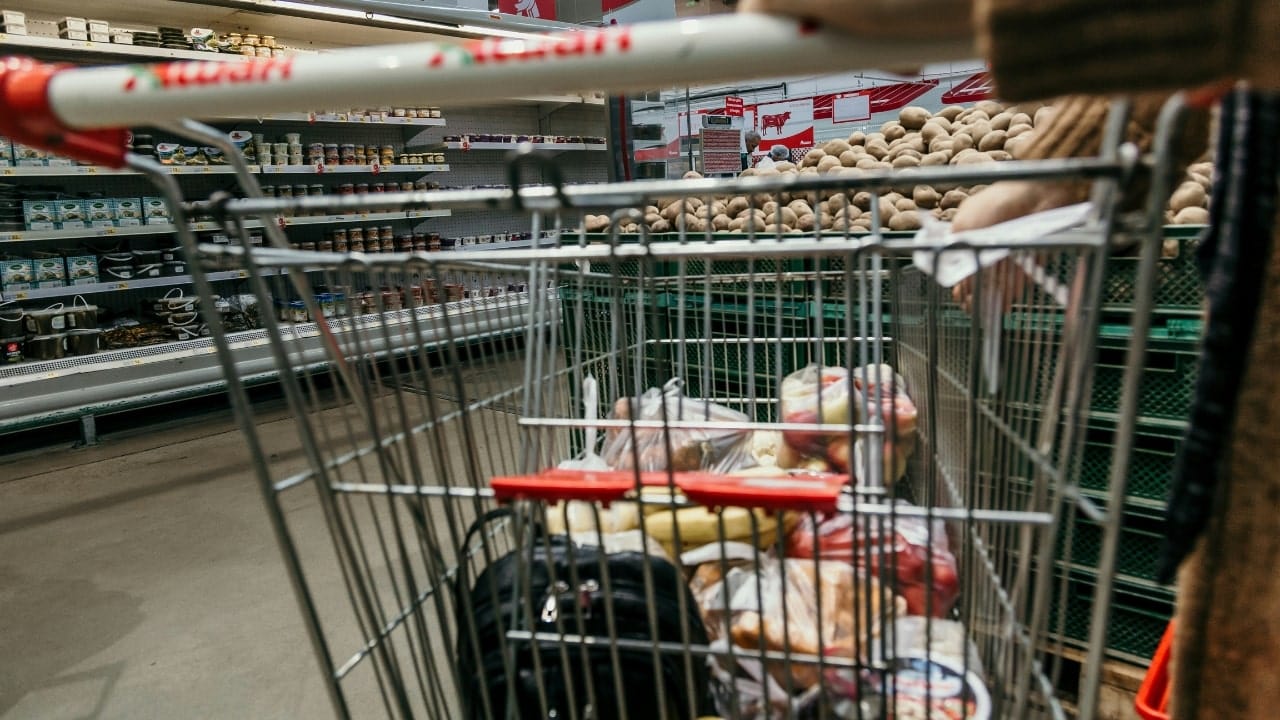
A smaller house usually means fewer people or less activity, but most people keep buying and using like they haven't moved. You might still be cooking for four when it's really two, or running a dishwasher half full because that's what you're used to. Those small things add up-especially when energy prices are higher than ever.
Start thinking in smaller batches-half recipes, smaller laundry loads, and shorter grocery lists. Downsizing isn't just about space; it's about scale.
You're still paying for what you no longer use
Cable packages, home insurance, internet speeds-many of these bills stay on autopilot when you move, even if you don't need the same level of service. A smaller house might qualify for lower rates, but companies won't tell you that.
It's worth calling your providers to update your home size, usage, and plan. Even small adjustments like dropping premium channels or reducing your Wi-Fi speed can save you hundreds a year without feeling like a downgrade.
You kept your old cleaning and maintenance routines
A smaller home takes less time to clean, but if you're still using the same amount of cleaning products, lawn treatments, or repair supplies, you're spending more than you need to.
Reevaluate your supplies. Do you really need that many bottles of cleaner or gallons of paint? Probably not. You'll save money by scaling your maintenance habits down to fit the space you actually have instead of the one you used to.
You didn't rethink your insurance and taxes
Homeowners insurance and property taxes often drop with a smaller home-but only if you make sure they do. Some people move and forget to update their policies, paying the same premiums they did before.
If your coverage hasn't been reviewed since the move, call your provider. You might be carrying more coverage than your home's current value requires. Same goes for your property tax assessment-make sure the valuation reflects the smaller space you now own.
You're still trying to fill empty walls
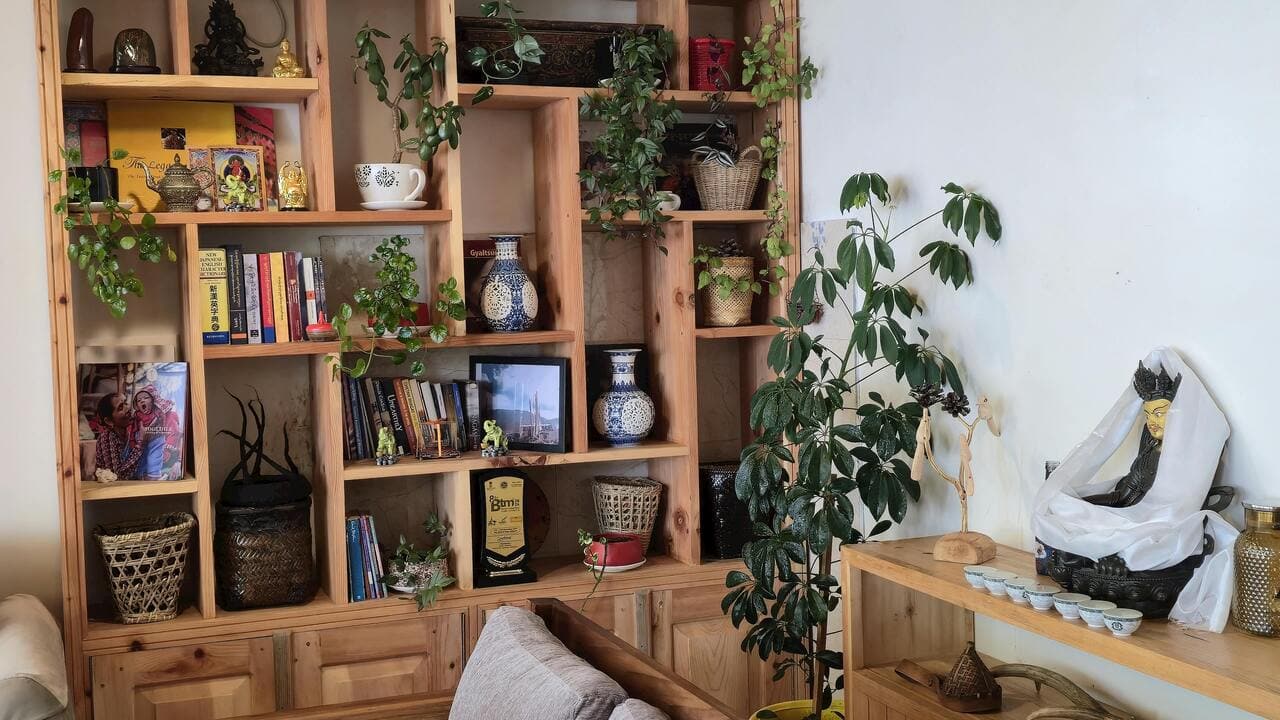
One of the biggest money leaks after downsizing comes from trying to make the new space "feel complete." You want it to look intentional, so you start buying rugs, art, shelves, and décor to fill the gaps. The thing is, smaller homes shine when they breathe. You don't have to decorate every inch.
Take your time. Let your space evolve naturally. Living with blank walls or open corners isn't a sign of unfinished decorating-it's a sign you're not rushing into regret purchases.
You didn't downsize your expectations
The hardest part of downsizing isn't physical-it's mental. You might have pictured a simpler life but still carry the same routines and expectations you had in a bigger space. That disconnect is what leads to overspending.
Once you stop trying to recreate your old lifestyle in a smaller house, your money will finally start to stay put. Downsizing can be freeing-but only if you let your habits shrink right along with the square footage.
*This article was developed with AI-powered tools and has been carefully reviewed by our editors.






Leave a Reply