
Cutting back on restaurants feels like an easy win when you're trying to save money. You plan more meals at home, make grocery lists, and tell yourself you're being responsible.
But when your grocery bill doesn't go down-or worse, goes up-it's clear the money didn't disappear from your wallet. It just shifted where it's leaving.
You replaced convenience food with a different kind of convenience
It's easy to think that cooking at home automatically saves you money. And it can-but not if you're still shopping like you're feeding last-minute cravings. Grabbing pre-chopped produce, individually packaged snacks, or ready-made meals might save time, but they cost far more per ounce than their full-sized versions.
If you cook often, those small "time savers" can quietly add $40 or $50 to your weekly total. When you prep ingredients yourself and portion out your snacks, you get the same result for less than half the cost.
You're grocery shopping without a clear plan
You might have a general idea of what you need, but if you walk into the store without a list-or with one you don't actually follow-you're guaranteed to overspend. Stores are designed to distract you with "special buys" and promotions that make you feel like you're missing out if you don't grab them.
Meal planning doesn't have to be complicated. Even a rough list of dinners for the week helps you shop more intentionally. The less guessing you do while you're there, the more money stays in your account.
You swapped restaurant splurges for grocery indulgences
When you stop eating out, it's easy to justify little upgrades at the store. A fancy cheese here, an imported sauce there-it feels like a reward for being "good" about skipping takeout. But those small indulgences can add up fast, especially when they become routine instead of occasional treats.
It's fine to buy a few special ingredients, but build them into your budget. Otherwise, you'll end up spending the same as you did at restaurants, only now you're the one doing the dishes.
You're wasting more than you think

The biggest leak in most grocery budgets isn't what you buy-it's what you throw away. Produce that spoils, leftovers that get forgotten, and freezer items that never make it into a meal all count as wasted money.
Start paying attention to what doesn't get used each week. If half your fruit goes bad, buy less next time. If you always toss the same ingredients, find recipes that actually use them. Small changes in how you store and plan food can easily save $100 or more a month.
You're still shopping hungry-or tired
You probably know not to grocery shop hungry, but doing it while you're tired or distracted is just as bad. That's when impulse buying hits hardest. You start grabbing comfort food, doubling up on "quick fixes," and skipping cheaper, more practical choices because you want to get it over with.
Try shopping early in the day or after a snack. You'll make better decisions, spend less time wandering, and skip the emotional purchases that drive your total up for no reason.
You're falling for bulk traps
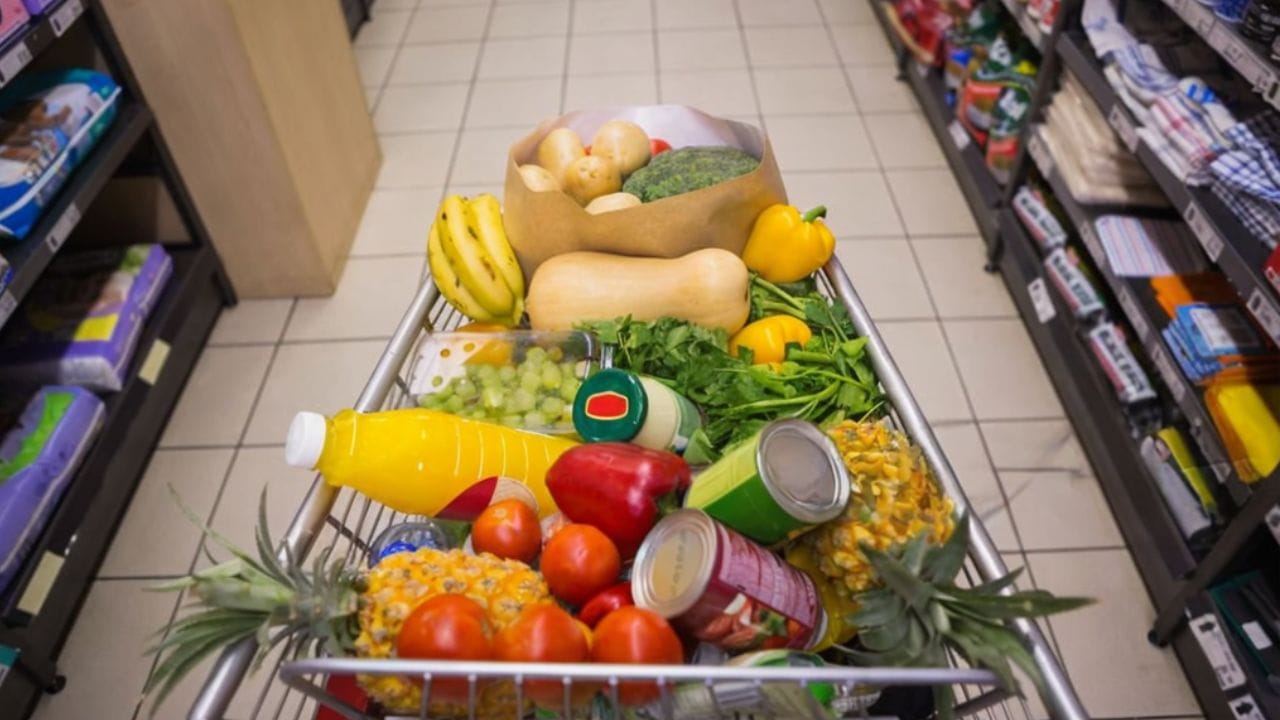
Buying in bulk feels smart, but it's only a deal if you actually use what you buy. If you've ever tossed out half a giant bag of produce or forgotten about that bulk-size condiment before it expired, you've learned this lesson the hard way.
Stick to bulk items that last-like rice, pasta, or cleaning supplies-and skip perishables unless you have a plan to use them up. Saving a few cents per ounce doesn't help if you end up throwing most of it away.
You're still paying for name brands out of habit
You might think store brands aren't as good, but that's rarely true anymore. Many of them are made by the same manufacturers as name brands, just with different packaging. Switching to private labels on basics like canned goods, pasta, or paper products can easily shave 20-30% off your total bill.
Start small-try one or two store-brand swaps a week. If you like them, keep them. You'll save without feeling like you're missing out on quality.
You're not comparing prices beyond your main store
Loyalty is nice, but it's expensive. Some stores consistently charge more for the same items, and if you never shop around, you'll never notice. Even if you prefer one store for produce or meat, it might make sense to get pantry staples elsewhere.
Check prices online or use store apps to compare before you go. A little upfront effort can make a big difference, especially if you're shopping for a family or cooking most of your meals at home.
The truth is, cutting restaurant spending only helps if your grocery habits change with it. Cooking at home should save you money-but only when you plan, shop smart, and stop treating the store like a place for treats and "maybes." Once you start being as intentional with your grocery cart as you were with your dining choices, you'll finally see the savings you were aiming for.
*This article was developed with AI-powered tools and has been carefully reviewed by our editors.






Leave a Reply