
You probably don't think twice about how you shop. You grab a cart, follow the aisles, and trust that what's on sale is still a good deal. But stores aren't the same as they used to be-and the strategies they use now are built to make you spend more while noticing less.
Prices shift faster, packaging hides smaller quantities, and layout changes steer you toward higher-margin items. If you've been shopping the same way for years, you're likely spending more than you realize.
The good news is, once you understand what's happening behind the scenes, you can shop smarter without changing much at all.
Watch for shrinking packaging
Shrinkflation isn't new, but it's everywhere now-and it's sneakier than ever. Instead of raising prices, companies quietly make packages smaller while charging the same amount. You still think you're getting the same deal, but you're paying more per ounce, per sheet, or per serving.
Paper towels, chips, cereal, and detergent are some of the worst offenders. Even items that look identical on the shelf can differ in weight or count. The only way to catch it is to check unit prices, usually listed in small print on the shelf tag. When you compare by ounce or count, you'll see which products actually deliver value and which are dressed up to look like they do.
Stop trusting "sales" at face value
That bright yellow sale tag used to mean something. Now, it's often marketing. Many stores raise prices before a sale to make discounts look bigger. "Buy one, get one" deals also encourage you to buy more than you need, especially when the second item wasn't in your budget to begin with.
It helps to know what your regular go-to items actually cost. If you know a jar of peanut butter usually runs $3.49, you'll notice when "on sale" suddenly means $3.29 instead of $2.99. Track a few of your most-used items so you can tell when a deal is real and when it's smoke and mirrors.
Don't assume loyalty programs are helping you
Loyalty cards and store apps make it seem like you're saving money, but most of them are designed to track your habits and steer your future purchases. Personalized coupons sound helpful, but they're usually for items you've already proven you'll buy anyway-or ones the store wants to push.
You might still find savings through them, but don't let "member pricing" convince you to switch brands or stock up unnecessarily. The real win is when you use rewards for what you were already going to buy, not what the store hopes you'll add to your cart.
Be cautious with "convenience" upgrades
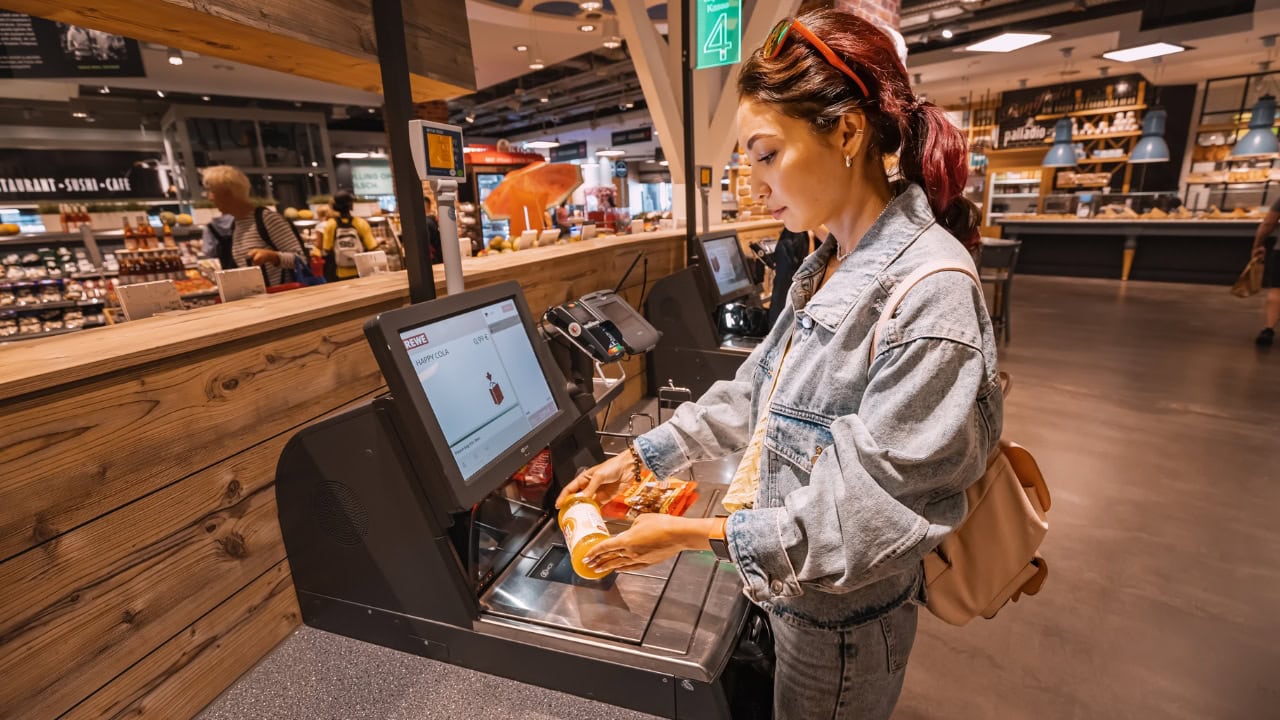
Curbside pickup, self-checkout, and pre-portioned grocery kits save time-but they often cost you more. Pickup orders can swap out sale items for higher-priced alternatives, and prepackaged meals or produce come with a hefty markup for the prep work.
Even self-checkout, which seems faster, shifts the labor cost from the store to you. You're scanning, bagging, and troubleshooting, yet prices haven't gone down. It's not always worth skipping the line if it means paying for convenience that doesn't save you actual money.
Notice how stores are rearranged
If it feels like your local store is constantly changing, that's on purpose. Rearranging aisles forces you to wander, which increases the odds of impulse buys. Essentials like milk or bread are usually placed in the back so you have to walk past everything else first.
Online stores do the same thing-changing layouts, highlighting "limited-time deals," and rotating product displays to catch your attention. Familiarity makes you efficient, and efficiency saves you money. When stores take that away, you end up spending longer-and spending more.
Compare brands carefully
Store brands used to be the automatic budget pick, but that's not always the case anymore. As inflation hit, some generic and private-label prices caught up with name brands, narrowing the gap. Meanwhile, name brands have started using "value size" packaging to make you think you're getting more, even when the cost per unit is higher.
Before swapping brands, look at the price per ounce instead of the sticker price. Sometimes the name brand on sale beats the generic, and other times it doesn't. It changes week to week, which means loyalty doesn't always pay off.
Check expiration and rotation games
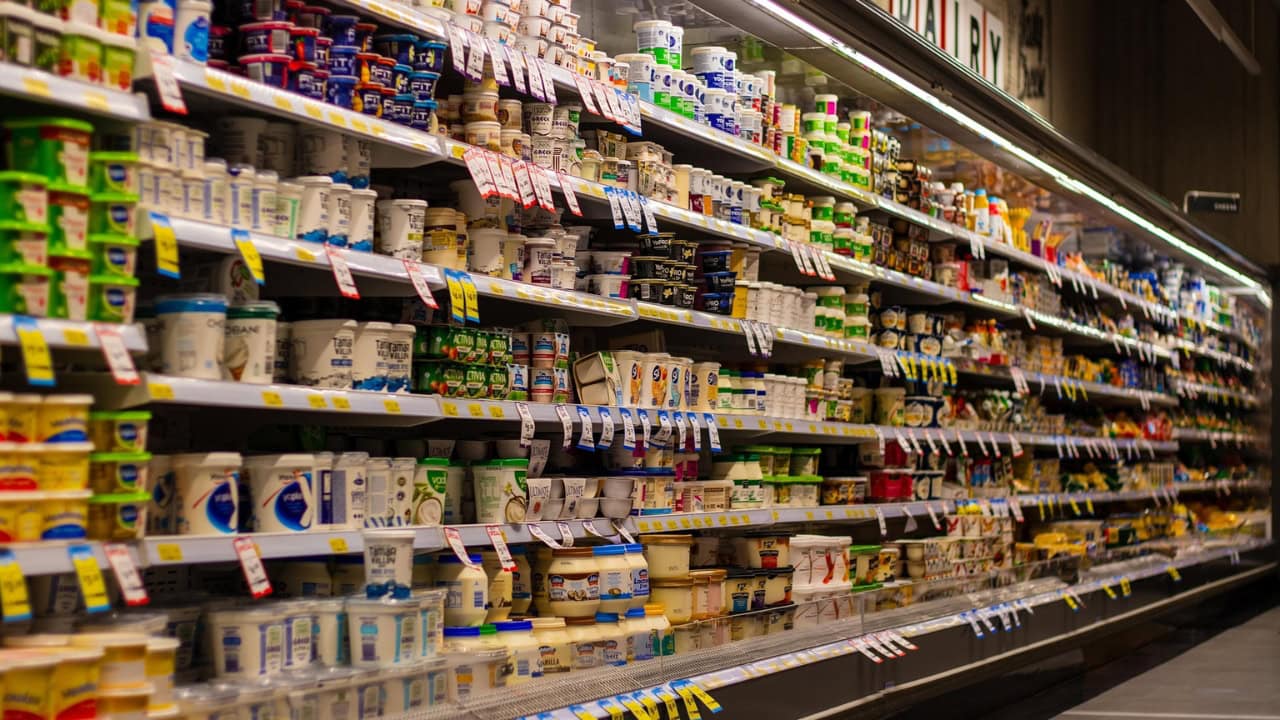
Some stores rotate older stock to the front or mix new and old batches together. It keeps shelves full but can trick you into buying items that expire sooner than expected. Dairy, condiments, and snacks are the main culprits.
Check expiration dates before tossing anything into your cart. Grabbing the fresher one from the back saves you money by stretching how long you can actually use it.
Avoid the "membership mentality"
Warehouse and bulk memberships can be worth it-but only if you use them strategically. Many people end up spending more simply because they feel the need to "get their money's worth." You stock up, overspend, and justify it with the membership fee.
If you notice you're buying extras you wouldn't normally purchase, it's time to reevaluate whether the membership is saving you or subtly pressuring you to spend more. Buying in bulk should make sense for your household size, storage space, and habits-not because the store layout makes it feel like a good deal.
Shop slower, think sharper
The best way to beat modern retail tactics is to slow down. Take a second to compare prices, sizes, and expiration dates. Bring a list and stick to it. The less room you give for impulse or "that looks like a deal" thinking, the better your budget holds up.
Stores have changed their playbook to make you spend without noticing. But once you see how it works, it's easier to step around the traps. Shopping smarter isn't about buying less-it's about staying aware enough to make every purchase work in your favor again.
*This article was developed with AI-powered tools and has been carefully reviewed by our editors.






Leave a Reply