
If your grocery bill keeps climbing but you're not eating out much, the problem might not be your spending-it might be your kitchen. The setup, storage, and habits you keep in that space have more to do with your food costs than most people realize.
When your kitchen isn't working for you, food goes bad, meals take longer, and takeout starts sounding like the easier option.
You can't see what you already have
If your pantry or fridge is cluttered, it's easy to forget what's inside. You buy another jar of pasta sauce or another pack of chicken because you think you're out. Then, a week later, you find duplicates hiding behind something else.
Keeping things visible is key. Group like items together and use clear bins or labels if you need to. You'll save more by organizing what you already own than by clipping coupons. The less time you spend digging, the less you'll waste.
Your fridge isn't set up for visibility
Food waste adds up fast, and it usually starts in the refrigerator. When leftovers and produce get shoved to the back, they're forgotten until they've gone bad. Every time that happens, it's money down the drain.
Try rearranging your fridge so ready-to-eat foods and perishables are front and center. Store produce in breathable containers, and keep snacks or prepped meals at eye level. You're more likely to eat what you can see.
You don't have a system for meal prep
Even if you meal plan, lack of prep space-or the motivation to use it-can derail your best intentions. When your counters are covered or your knives are dull, cooking feels like a chore. That's when you grab something quick instead of using what you already bought.
Keeping a few basics ready-like chopped vegetables or cooked rice-can make it easier to throw meals together. You don't need a full meal prep routine, just a setup that removes friction when it's time to cook.
You're buying for the kitchen you want, not the one you have
Sometimes your budget suffers because you're shopping for a lifestyle that doesn't fit your space. You buy bulk items, but your pantry can't store them properly. You stock up on ingredients for elaborate recipes, but your schedule doesn't allow for them.
Buying for the kitchen you actually have-not the one you wish you did-keeps your food from going bad before you can use it. Stock the staples you reach for most, and skip the rest.
You're missing a food rotation habit
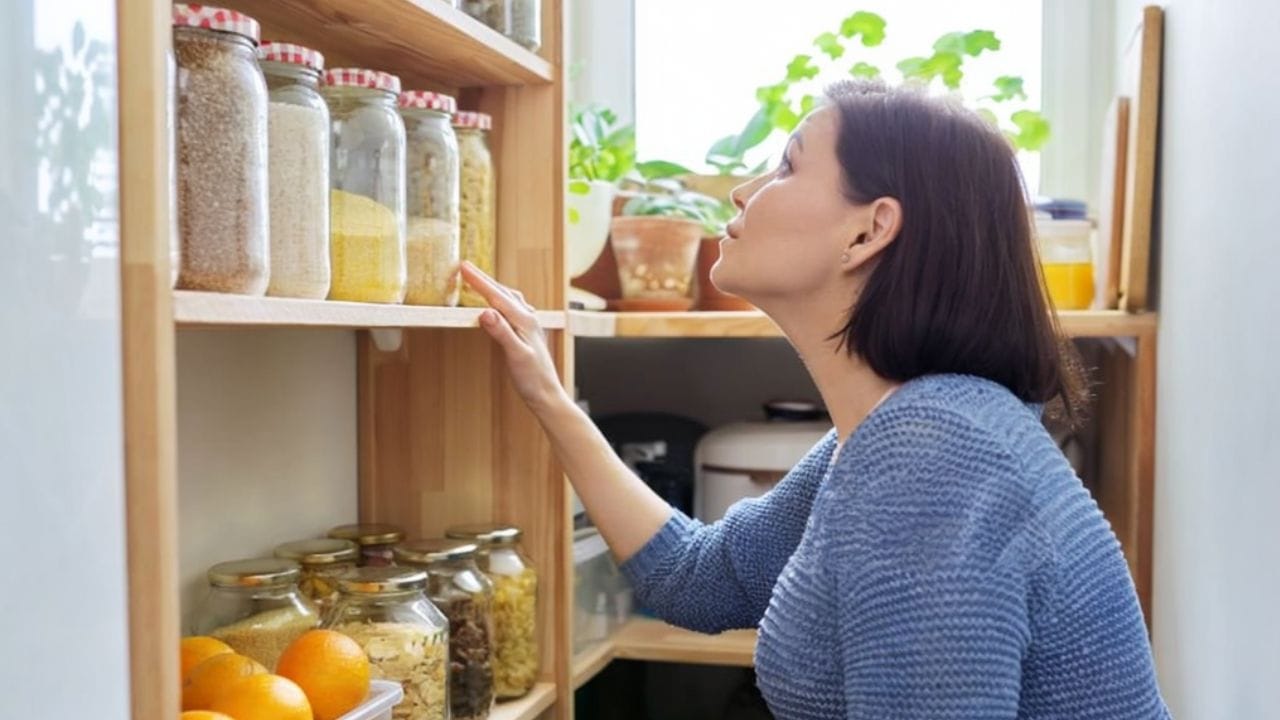
One simple trick that keeps grocery costs down is rotation. When new groceries come in, push older items to the front. It takes seconds but saves you from rediscovering moldy produce or expired cans.
If you can make this a habit, you'll stretch your food dollars farther. Nothing hurts a food budget more than throwing out what you already paid for.
Your kitchen isn't inspiring you to cook
A cluttered, chaotic, or uninviting kitchen makes cooking feel stressful. When the sink's full or the counters are covered, you're far more likely to grab takeout.
Spend a few minutes cleaning and resetting your kitchen each night. Wipe the counters, run the dishwasher, and make space to cook. A ready-to-go kitchen can actually motivate you to use what's in your fridge instead of ordering dinner again.
You're not storing food properly
Even with the best intentions, food spoils faster when it's stored wrong. Produce that needs air gets sealed too tight. Bread sits in warm spots that make it mold. Leftovers aren't cooled before going into the fridge, shortening their lifespan.
Learning how to store common foods properly can make a noticeable difference. A few small adjustments-like keeping onions and potatoes separate or freezing bread in slices-can easily stretch your grocery budget further.
You don't cook around what's left
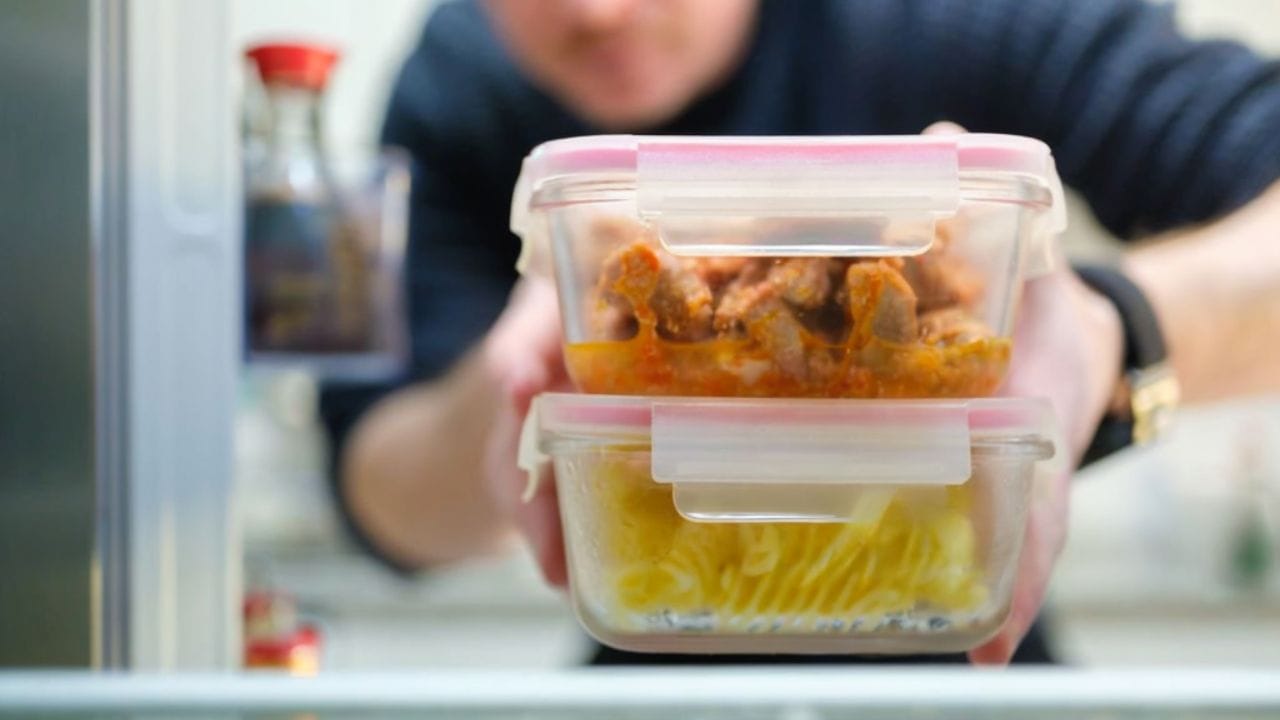
If your meal plan doesn't include using up what's already in your fridge, you're wasting money. You don't have to reinvent dinner every night-some of the best meals start with leftovers.
Get into the habit of checking your fridge before planning new meals. That half-empty jar of sauce or leftover roast chicken can turn into something new tomorrow. Cooking with what you have is one of the easiest ways to lower your grocery bill without changing how you shop.
Your kitchen can either help your budget or fight against it. The more functional and intentional your space becomes, the easier it is to keep your grocery costs steady-and actually enjoy the food you bring home.
*This article was developed with AI-powered tools and has been carefully reviewed by our editors.






Leave a Reply