
Every year it feels like the holidays sneak up on you. You set a spending limit, swear you'll stick to it, and then suddenly your budget's gone before you've even wrapped the first gift.
It's not that you're bad with money - it's that holiday spending is full of small traps that add up fast. Once you know where the money's actually going, it's a lot easier to keep it under control.
You forget to budget for the extras
When people think "holiday budget," they usually picture gifts. But it's all the little extras that drain your account - wrapping paper, tape, bows, gift bags, cards, and postage. Even small things like cookie tins or teacher gifts add up. You don't notice it because it happens in bits and pieces. The best fix is to make a separate line for "holiday extras" and give it a real number. That $20 here and $15 there is probably closer to $150 by the end.
You underestimate food and gatherings
Holiday food spending creeps up faster than anything else. Between baking supplies, potluck dishes, and hosting a dinner or two, it's easy to double your grocery bill without realizing it. Add in takeout when you're too busy to cook, and it's clear where half the budget goes. You can still enjoy it - just plan your menus early and shop sales on shelf-stable items before December hits.
You buy gifts before you make a full list
Impulse buying starts the moment you see something "perfect" for someone. The problem is, you haven't mapped out the rest of your list yet. By the time you get to the end, you've already overspent on the first few people. It helps to make a master list of everyone you plan to buy for and assign a spending cap per person. Even if you adjust it later, at least you're spending with intention instead of reacting to sales.
You get caught in "one more thing" shopping
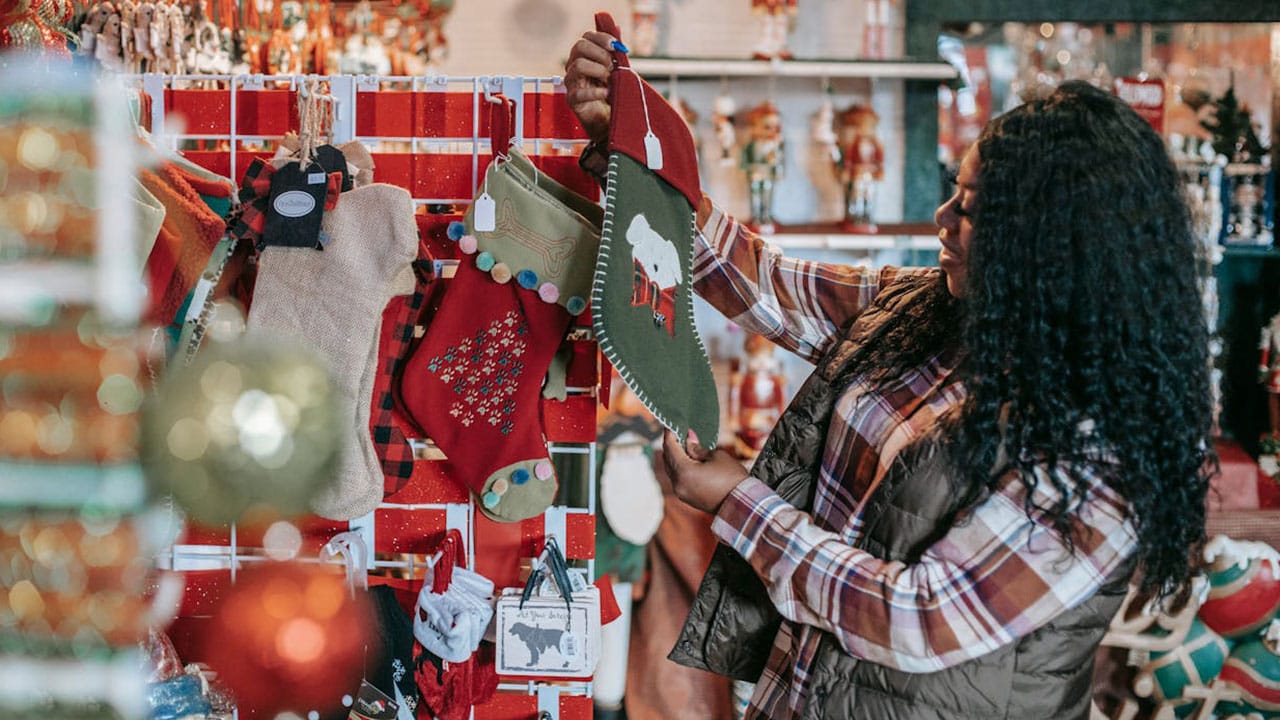
It happens every year - you find the gift, then add one more little thing to make it "complete." Those small add-ons quietly destroy your budget. Whether it's a mug to go with cocoa or socks to go with slippers, the extras can end up costing more than the main gift. The trick is to stop yourself from feeling like every gift needs to be more impressive. Most people remember the thought, not how many things came in the box.
You don't track digital spending
Online shopping makes it too easy to forget what you've spent. Between Amazon, Target, and store apps, purchases happen with one click and no paper receipts. Before you know it, you've placed ten small orders that feel harmless but total hundreds. Keep your receipts in one place or track them in a simple spreadsheet. Seeing the total in real time will make you think twice before adding another "quick" purchase to the cart.
You shop too late in the season
When you wait until the last minute, you end up paying more for convenience. Rush shipping, sold-out deals, and higher prices on remaining stock all eat into your budget. Starting early gives you time to compare prices and grab sales when they're good. Even buying one or two gifts a week in November can save a surprising amount.
You overlook hidden costs
Some holiday spending doesn't look like shopping at all - things like travel, gas, pet boarding, and winter clothes for family photos. They're easy to miss because they're seasonal and not part of your regular routine. Add them to your budget early so they don't blindside you later. It's better to plan for them than swipe the card and figure it out in January.
You spend emotionally

The holidays can make you feel nostalgic, generous, or even guilty - and those emotions make it easy to overspend. You want to make everyone happy or recreate memories from years past, but that pressure costs money. The best way to fight emotional spending is to pause before buying and ask: "Would I still buy this if it weren't Christmas?" If the answer's no, you've found your budget leak.
You don't set a clear stopping point
Most people plan their spending but never decide when they're done. You finish your main shopping, then keep finding little things - stocking stuffers, flash sales, random fillers. Without a clear "I'm finished" point, the holiday budget never really closes. Pick a firm date and call it good. Anything after that goes on next year's list instead of this year's credit card.
The holidays will always come with extra spending, but when you know where the money slips away, you can plan for it. It's not about skipping the fun - it's about staying in control so you can actually enjoy it without starting the new year stressed.
*This article was developed with AI-powered tools and has been carefully reviewed by our editors.






Leave a Reply