
If it feels like your grocery budget keeps slipping no matter how careful you are, you're not imagining it. Prices have crept up, packages have shrunk, and "stocking up" doesn't stretch as far as it used to. But it's not just inflation causing the problem.
Habits, routines, and even how you plan your week can quietly wreck a grocery budget over time. A reset doesn't mean cutting everything-it means getting your spending back in line with how you actually live right now.
You're shopping with old prices in mind
Most people still budget for groceries based on what things used to cost. But the price of basics-like eggs, cheese, and meat-has changed so much in the last couple of years that your "normal" number may be outdated. If your grocery trips always go over, your budget probably hasn't caught up to reality.
A reset starts with tracking what you're actually spending. Look at your receipts from the last few weeks and find the average. It's better to know your real number and plan around it than to keep feeling like you're failing every time you shop.
You're buying more out of habit than need
Every grocery list has a few "default" items you grab without thinking-like bread, snacks, or salad mix. But if you're throwing away food at the end of the week, that's your budget talking. You're probably buying out of routine, not necessity.
Before you shop, do a quick kitchen sweep. Check your fridge, freezer, and pantry, and build your list around what's already there. You'll spend less, waste less, and probably still have more than enough for the week.
You're not planning for the in-between days
It's easy to plan big dinners, but most budgets break down on the nights you're too tired to cook. That's when takeout happens. The best grocery resets include "lazy night" meals-things you can make in ten minutes with almost no effort.
Keep a few quick go-to options on hand like frozen pizza, pre-cooked rice, or rotisserie chicken. It's not about perfection; it's about having backup plans that save you from spending more.
You're letting your store loyalty cost you
We all have a favorite grocery store, but sticking to one place doesn't always make sense anymore. Prices vary more than ever between stores-and even between regions of the same chain.
Take one week to compare prices at Aldi, Walmart, and your local store. You might find that your regular place is quietly costing you extra every month. Rotating stores or mixing where you shop can easily save $20-$40 a week without changing what you eat.
You're shopping too often

Every "quick trip" to the store for one or two items usually turns into ten. Even a few small impulse buys add up fast. The more you walk into a store, the more you'll spend.
Instead, try planning your week around one main trip and one small top-off trip if needed. When you're intentional about how often you shop, you're automatically more mindful of what you're spending.
You're not adjusting for your season of life
Budgets that worked when you were single won't work with kids. A grocery plan that fit during summer might fall apart in winter. Your lifestyle, schedule, and eating habits change, and your budget needs to move with them.
If your costs keep rising even though your habits haven't changed, your budget probably isn't matching your reality. A quick review every couple of months keeps things realistic and helps you spot where your spending is shifting.
You're ignoring the "little" extras
Drinks, snacks, sauces, and convenience foods are where budgets quietly explode. You can save all you want on meat and produce, but if half your cart is filled with bottled drinks, coffee pods, or pre-packaged snacks, your total will still sting.
No one's saying you can't buy those things-just give them a limit. Cap extras at a set amount each week and stick to it. Once that category's spent, you'll naturally be more selective about what's worth bringing home.
You're making the same meals on repeat
Cooking the same dinners over and over makes grocery shopping predictable-but not necessarily cheaper. You might be buying ingredients that are out of season or constantly reaching for higher-priced favorites.
A reset is a good time to mix things up. Look for meals that use cheaper cuts of meat, frozen produce, or pantry staples you already have. Rotating in new recipes keeps meals interesting and costs lower without feeling restrictive.
You've stopped checking your totals
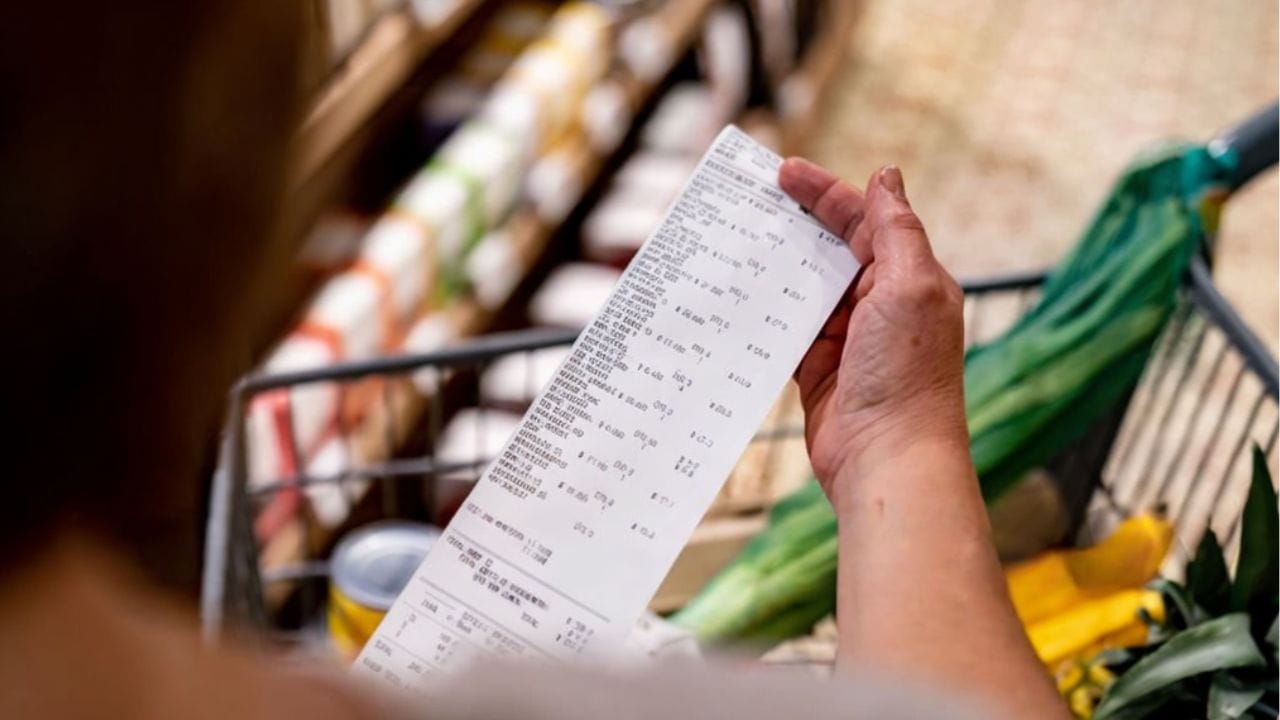
When money's tight, it's easy to stop looking too closely at the final number. But ignoring it doesn't make it go away-it makes it harder to see what's actually happening. If your grocery budget feels out of control, go back to writing things down.
Keep track of what you spend each week for a full month. Seeing it on paper helps you find patterns and cut back where it actually matters. Once you see where the leaks are, the fixes start to feel easier-and the numbers start to make sense again.
*This article was developed with AI-powered tools and has been carefully reviewed by our editors.






Leave a Reply