
If your grocery bill feels high even with "cheap" dinners on the calendar, you're not imagining it. Budget meals can still leak money through waste, sides, and habits that don't show up in the recipe price. Fixing it isn't about cooking worse food-it's about cooking what you'll actually eat, with fewer leftovers going to the trash.
The side dish creep
That $6 pasta turns into a $14 dinner when you add a premade salad kit, garlic bread, and a specialty drink. None of those are wrong, but they wreck the math you had in mind.
Decide the side rule up front: one simple veg or fruit, water on the table. If you want bread, make it a once-a-week thing and plan for it. When sides are automatic, your "cheap" meal stops being cheap.
Waste hiding in the crisper
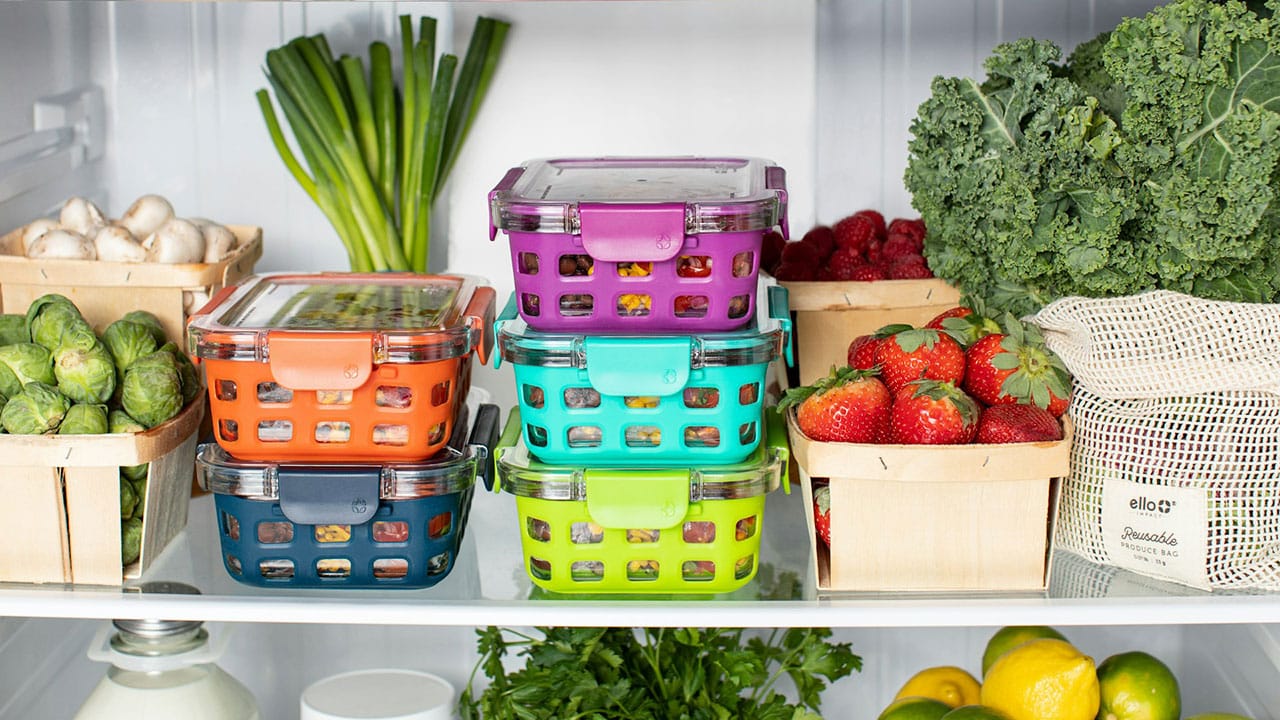
Budget recipes assume you use the full pack of celery, the entire tub of spinach, and all the cilantro. In real life, half of it slumps by Friday. That's money you already spent.
Buy for cross-use. If cilantro is in Tuesday tacos, plan Saturday beans and rice that use the rest. If spinach is on the list, it should show up twice-once in pasta, once in eggs. One ingredient, two jobs.
Protein portions that drift
Most of us overestimate protein. If a recipe calls for a pound and a half of chicken but your family is satisfied with one pound and more veg, you can trim dollars without trimming satisfaction.
Measure once with a scale so your eye learns what a pound looks like. You're not rationing; you're matching portions to reality. The meal stays filling, and the budget stays friendly.
Specialty condiments that don't get used
A $5 sauce for one new recipe seems harmless until you repeat that four times this month. Now two shelves hold single-use bottles you'll throw away in spring cleaning.
Set a two-condiment limit per month. If a new sauce makes the cut, build three meals around it over the next two weeks. When it's empty, it earned its spot. If not, you know to skip it next time.
Prep that fits your bandwidth
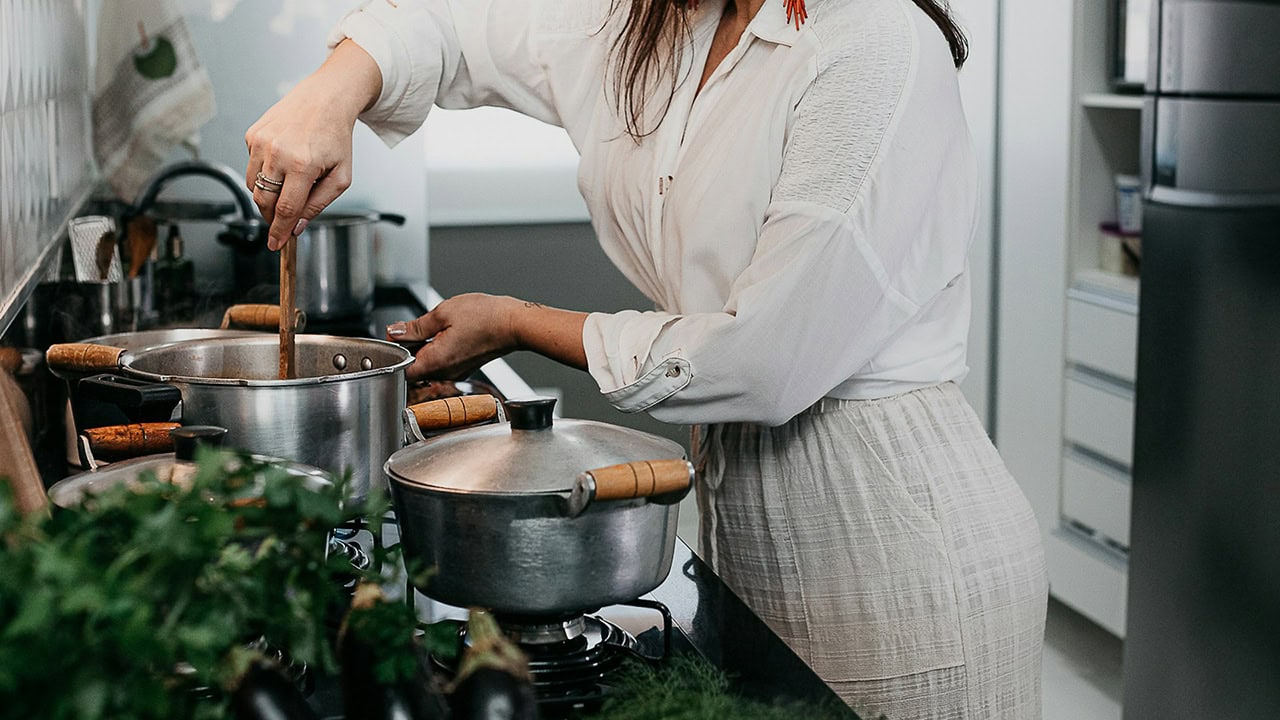
Budget cooking falls apart when you're tired. You reach for takeout because dinner takes too many steps. The fix is not to blame yourself-it's to match recipes to your Tuesday energy.
Pick two "no-think" dinners that you can throw together in 15 minutes from pantry staples. Keep those ingredients stocked. On the long days, don't improvise-execute the plan that already respects how tired you are.
The power of portioning leftovers on purpose
Cook once, portion twice. If you make a pot of chili, pack tomorrow's lunches before anyone goes back for seconds. When leftovers are spoken for, they don't become "science projects."
Freeze small portions flat in zip bags so they stack like files. A labeled freezer that actually gets used is worth more than any "budget" recipe you never get around to cooking.
*This article was developed with AI-powered tools and has been carefully reviewed by our editors.






Leave a Reply