
Stress makes regular decisions feel heavier. You're juggling kids, bills, and the never-ending list, and then one small purchase promises to take the edge off. A nicer coffee, a new throw blanket, a cute organizer bin. It's not reckless-it's relief.
The problem is that the same moment that makes spending feel soothing also makes it blurry. You get the dopamine, but you don't get the distance you need to decide well.
Your brain is chasing comfort, not value
When you're overloaded, your brain will trade almost anything for certainty and control. Buying something gives you both, briefly. A package arrives. A task feels "handled." That quick hit is powerful enough to override the part of you that would normally check the budget or ask if you already own a version of this thing.
That's why stress spending clusters around categories that promise calm: organization supplies, small home upgrades, convenience food, nicer self-care. None of those are bad. They're just louder when you're fried.
The tiny-purchase trap

Small spends feel harmless, which is how three separate $18 orders beat one $54 "splurge" you would've questioned. Shipping thresholds make it worse. You toss in an add-on to "save" five dollars and end up spending fifteen more. It's not about discipline; it's math happening in a fog.
The fix is a boundary you can see when you're tired. Set a weekly "treat" number that lives on a sticky note in your wallet or phone. When it's gone, it's gone. You're not banning comfort-you're containing it so you don't wake up mad at yourself.
Separate buying from deciding
Stress makes same-day decisions risky. Add friction on purpose. Turn off one-click purchasing, require a PIN for in-app buys, and sleep on anything that isn't a true need. If you still want it tomorrow, and it fits your week, buy it. Most stress buys lose shine after eight hours and a sandwich.
If the urge is about control, redirect it. Clean one drawer. Reset the "eat first" shelf in the fridge. Label a bin that's been mocking you. That five-minute action delivers the same "I did something" feeling without charging your card.
Build a relief kit that doesn't cost money
When you notice the "I need something" itch, your house should offer a better option. Make a short list you can grab instead of your keys: a favorite playlist, a walk with the kids, fifteen minutes of reading, a hot shower with the nice shampoo you already own, a simple bake you can do with pantry staples. Put the list where you'll see it-inside a cabinet door or as a phone note pinned to your home screen.
Relief isn't wrong. You just want relief that doesn't require returns and regret later.
Make your environment do more heavy lifting
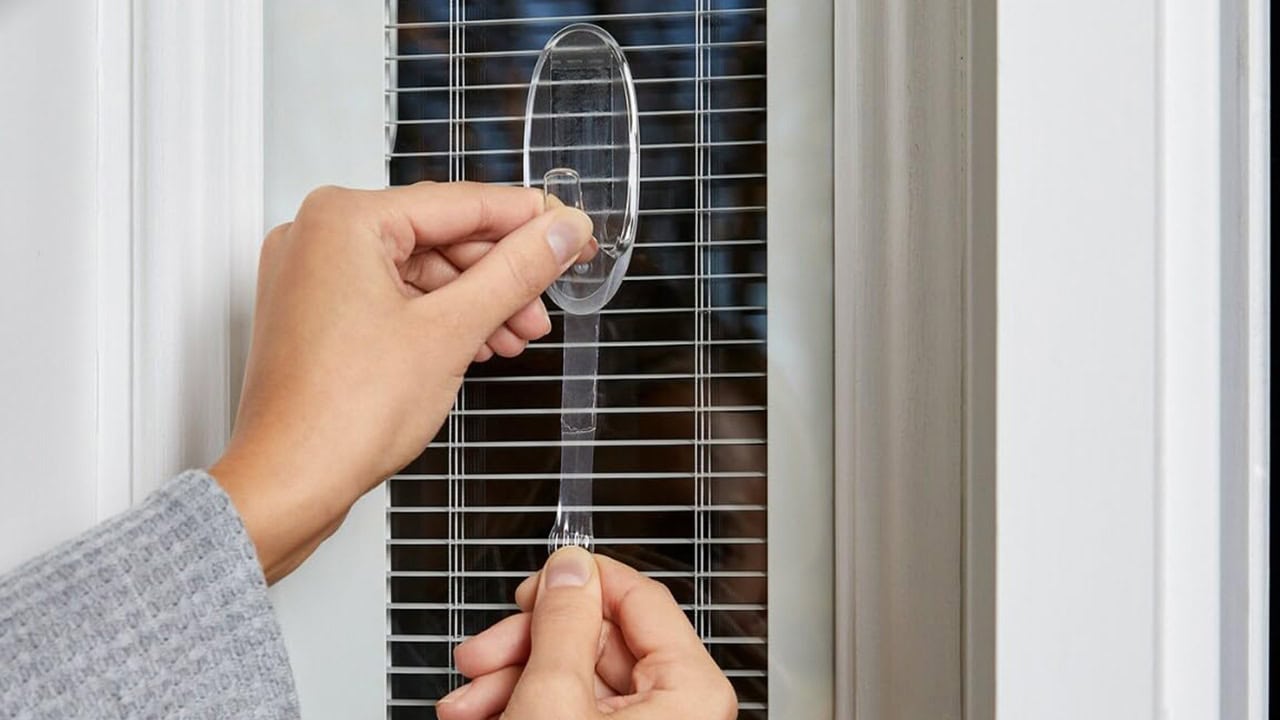
Stress spending often starts because your home keeps handing you friction-no place to drop keys, dark lamp bulbs, a junk drawer that bites. Fixing three dumb annoyances will cut more "I deserve something" purchases than any lecture. Add a hook by the door, move a lamp, put a power strip where devices pile up, and put tape and a marker in the kitchen for leftovers. A smoother day equals a quieter cart.
Give yourself one planned yes
It's easier to say no all week when you know a yes is coming. Pick one small thing on purpose-a Friday coffee, a library movie night with popcorn, a bakery treat after grocery day. Planned joy costs less and scratches the same itch. The difference is that you meet yourself on purpose instead of reacting in the moment.
Stress spending isn't about being irresponsible. It's about a nervous system asking for comfort any way it can get it. When you build simple guardrails and cheap soothing into your week, the swipe stops feeling like your only off-ramp.
*This article was developed with AI-powered tools and has been carefully reviewed by our editors.






Leave a Reply