
Minimalism gets talked about like a financial cure-all - get rid of everything you don't need, live with less, and watch your savings grow. And yes, there's truth to that. Owning less means spending less time, energy, and money managing stuff.
But if you've tried to go minimalist and found yourself spending more, you're not alone. Minimalism can easily turn into another lifestyle trend that costs you money instead of saving it - especially if it's done the way social media sells it.
Buying less doesn't mean buying cheap
A big misconception is that minimalists automatically spend less because they buy fewer things. The problem is, many people start replacing what they already have with "better" versions - higher-quality, matching, or aesthetically minimal pieces that come with a big price tag.
It's easy to fall into the trap of believing you're saving money long-term by buying "quality over quantity," but that's not always the case. There's a balance between investing in something that lasts and overspending in the name of minimalism. If your goal is saving money, you're better off using what you already own until it wears out - not replacing it with a sleek upgrade that fits a look.
Decluttering can turn into wasteful spending
The minimalist mindset encourages you to declutter - which is great, until you start replacing what you get rid of. It's one thing to clean out the garage; it's another to throw away useful items only to rebuy them later because they were "too much."
When minimalism gets too extreme, it can backfire. You end up having to re-purchase things you actually need, whether that's a second set of tools, extra kitchen gear, or seasonal clothes. The goal should be owning what you use, not constantly chasing a perfectly empty house.
The "aesthetic" costs more than it saves
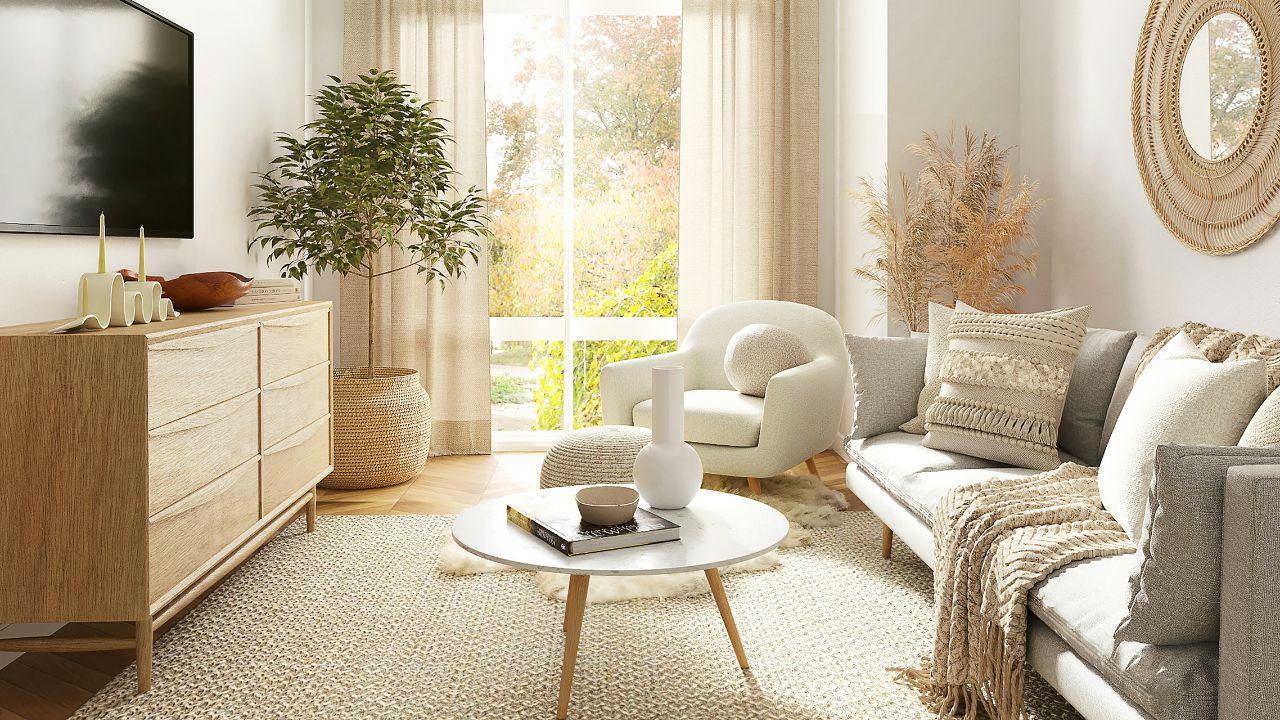
Minimalism online has become more about how things look than how they function. The clean counters, matching containers, and neutral decor are meant to look effortless - but behind the scenes, they can be expensive to achieve.
If you're buying matching jars, uniform hangers, or new furniture so your home feels "minimal," that's not minimalism. That's spending to create a look. Real minimalism happens when you stop feeling like you have to upgrade things that already work fine. It's about mindset, not aesthetics.
Experiences can still add up
Many minimalists say they spend less on stuff so they can spend more on experiences. That sounds great in theory, but experiences can get expensive fast - especially when every weekend becomes an outing, trip, or event to make up for owning less.
If you're replacing physical clutter with a packed calendar, you're not really saving money - you're redirecting it. There's nothing wrong with spending on things that make life fuller, but it's easy to underestimate how quickly those costs add up. The goal is balance, not trading one kind of overspending for another.
Minimalism doesn't fix poor money habits
You can own very little and still be bad with money. Minimalism doesn't automatically change your spending habits - it just changes where the money goes. Someone who used to buy home decor might start spending the same amount on "investment pieces" or expensive organizational tools.
True savings come from changing behavior, not possessions. If you're using minimalism to reset your mindset - like learning to pause before spending or appreciating what you already have - then it can help you save. But without that internal shift, it becomes another version of consumerism wearing a clean, white coat.
Owning less doesn't always mean spending less over time

In some cases, owning fewer things means you rely on more services - like renting tools instead of owning them, or constantly buying small portions instead of stocking up when prices are low. Convenience is great, but it often costs more.
If your version of minimalism means not keeping backups, bulk items, or seasonal gear, you might end up paying for that choice later. True frugality and smart minimalism can work together, but only when you're realistic about what your life actually requires.
Minimalism can bring peace and clarity, but it's not automatically a path to saving money. When you focus on the function of what you own - not the aesthetic or the trend - it becomes more practical and less expensive. You don't have to buy into the minimalist lifestyle to live intentionally. You just have to stop buying what doesn't serve you.
*This article was developed with AI-powered tools and has been carefully reviewed by our editors.






Leave a Reply