
Coupons and end caps used to be enough. Now list prices bounce, store brands shift quality between lines, and "sale" tags can hide a higher baseline. On top of that, labor shortages and shrink policies mean fewer price checks and more locked cabinets that slow you down. You can still win in-store-but you need a modern playbook.
Here's how to shop the aisles without paying the "confusion tax."
Track a few anchor prices on your phone
Pick five staples you buy every week-milk, eggs, bread, rice, chicken thighs-and record their best normal prices at two nearby stores. When you know those anchors, everything else clicks into place. If a store is high on all five, it's not your primary. If one item spikes, you'll see it and can pivot to a substitute without rebuilding your list in the aisle.
Update once a month. Real numbers beat vibes and shelf talkers.
Learn the store brand tiers
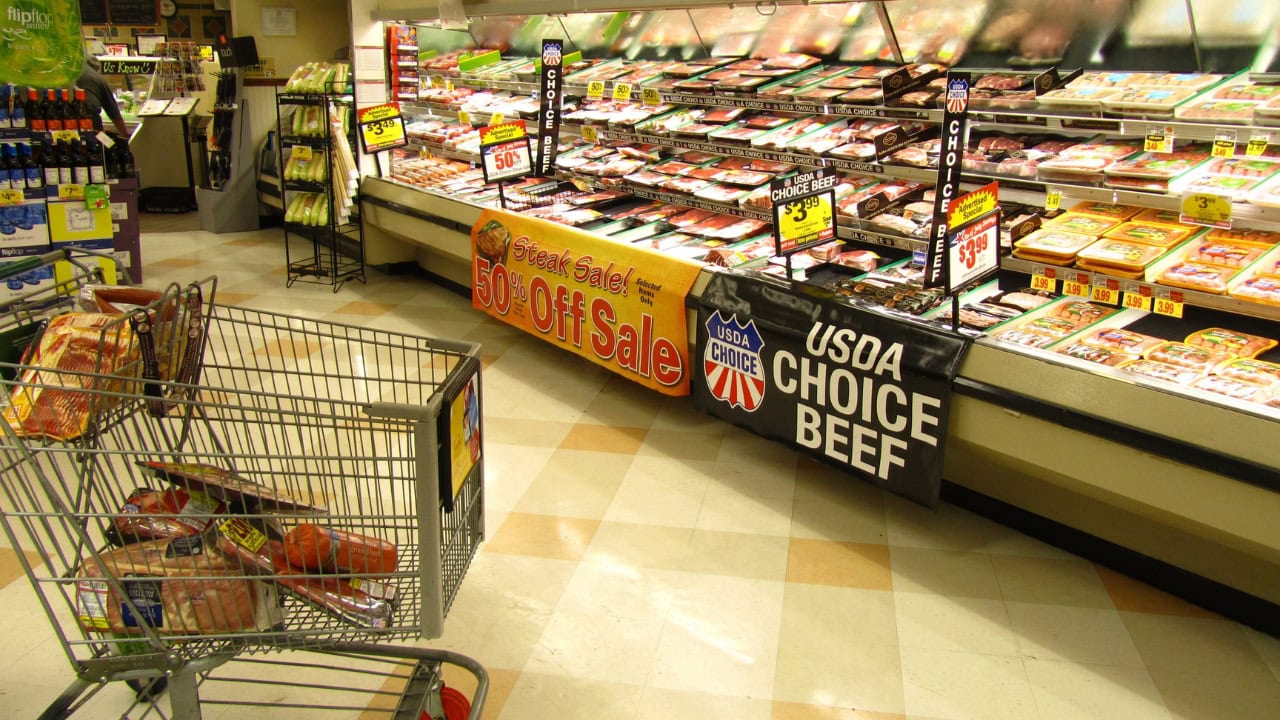
Many chains run three levels: basic, core store brand, and "premium" store brand. The premium label often sits near name brands with a small discount, while the basic line undercuts on essentials. Mix and match on purpose-basic for paper goods and pantry staples, premium for items where flavor actually matters. Don't assume the middle saves the most.
Grab one of each once to taste test at home. Then lock your choices.
Avoid the locked-case time sink
Health and beauty, batteries, and small electronics get locked up at many stores. The wait for an associate turns a quick trip into a 30-minute run-and time pressure equals bad choices. If you regularly need locked-case items, buy them via curbside pickup or online for store pickup. You'll get the in-store price without the stall.
If you're already in the store, ask at the service desk first to page help before you reach the aisle.
Treat "sale" as a suggestion until you check the code
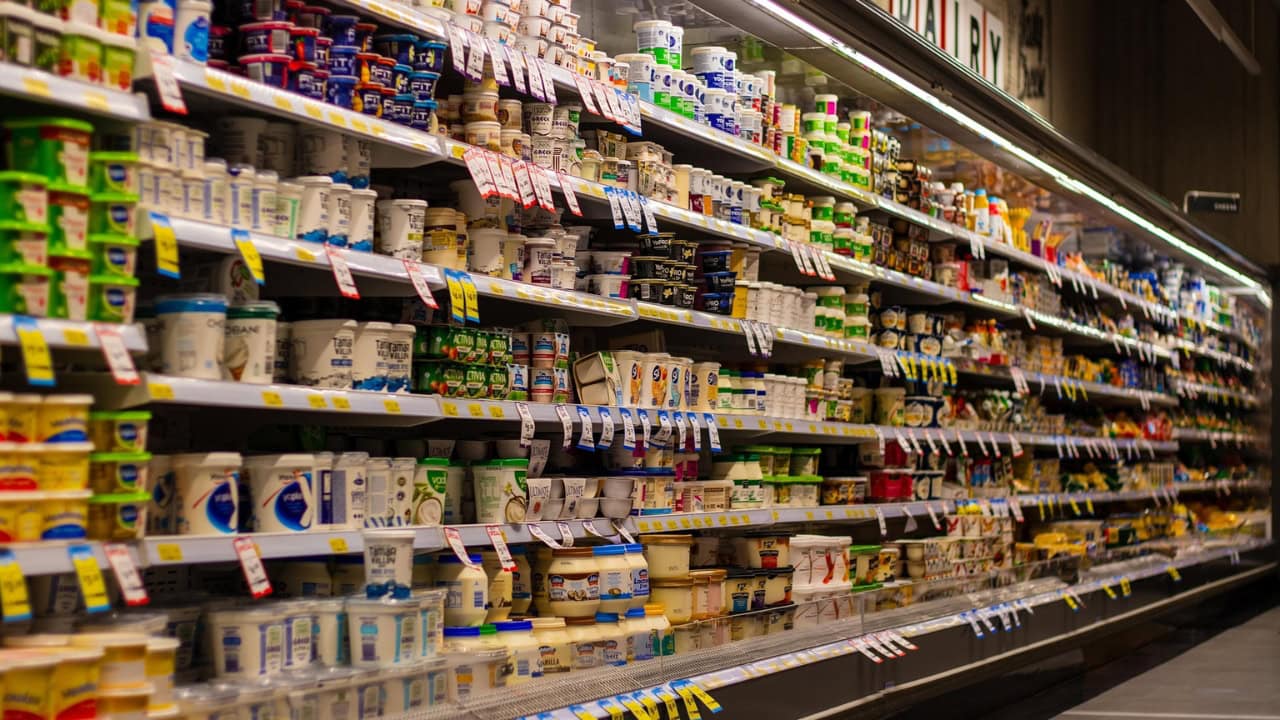
Some "sales" are shelf resets or new UPCs with smaller sizes. Check unit prices and model numbers, especially on seasonal items and small appliances. If the unit price went up, the sale is theater. For clothes, scan the tag for final-sale warnings; returns are tightening and can erase the bargain if fit is off.
If a price rings wrong, snap a pic of the shelf tag before checkout. It speeds the correction.
Make curbside your default for big shops
Curbside keeps you out of the sample trap and the "I'm hungry" aisle detours. Build your cart from a saved list and apply coupons or digital deals in one screen without chasing paper. You'll buy what you planned and you'll see the total before you pay, which is the only price that counts.
Pick a calm pickup window so you're not waiting behind dinner rush traffic.
Carry one substitution rule
When an item is priced high or out of stock, sub to a cheaper cousin: chicken thighs for breasts, bone-in for boneless, store-brand yogurt for national, rice or pasta shape A for B. Shoppers who sub well spend less even when nothing is "on sale." Your rule is simple: same category, cheaper variant, same use case.
Write your go-to subs on your list to remind yourself when the shelf is empty.
In-store deals exist-they're just harder to see through noise. Track anchor prices, learn brand tiers, dodge locked-case delays, verify unit prices, use curbside for big runs, and sub smartly. You'll leave with what you planned at a price you can live with, without donating extra dollars to confusion.
*This article was developed with AI-powered tools and has been carefully reviewed by our editors.






Leave a Reply