
A few years ago, "frugal" meant couponing for fun and posting pantry challenges on Instagram. Now it feels different. Prices climbed. Schedules got heavier. And most of us are trying to protect our peace while keeping the lights on. Frugal living has shifted from hobby to self-preservation-and that's not a downgrade. It's permission to build a calmer way of running your house.
Trade hacks for rhythms
Hacks are exciting. Rhythms work. A standing grocery day, a three-meal plan, rotating one streaming service at a time, and paying bills after deposits land-these aren't flashy. They're the scaffolding that keeps panic from eating your budget in little bites.
If you want a starting line, pick two anchors: a weekly "reset dinner" you can make on autopilot and a "money Monday" where you look at what cleared, what's due, and what changed. Two fifteen-minute habits erase a lot of chaos purchases.
Spend where it buys you calm
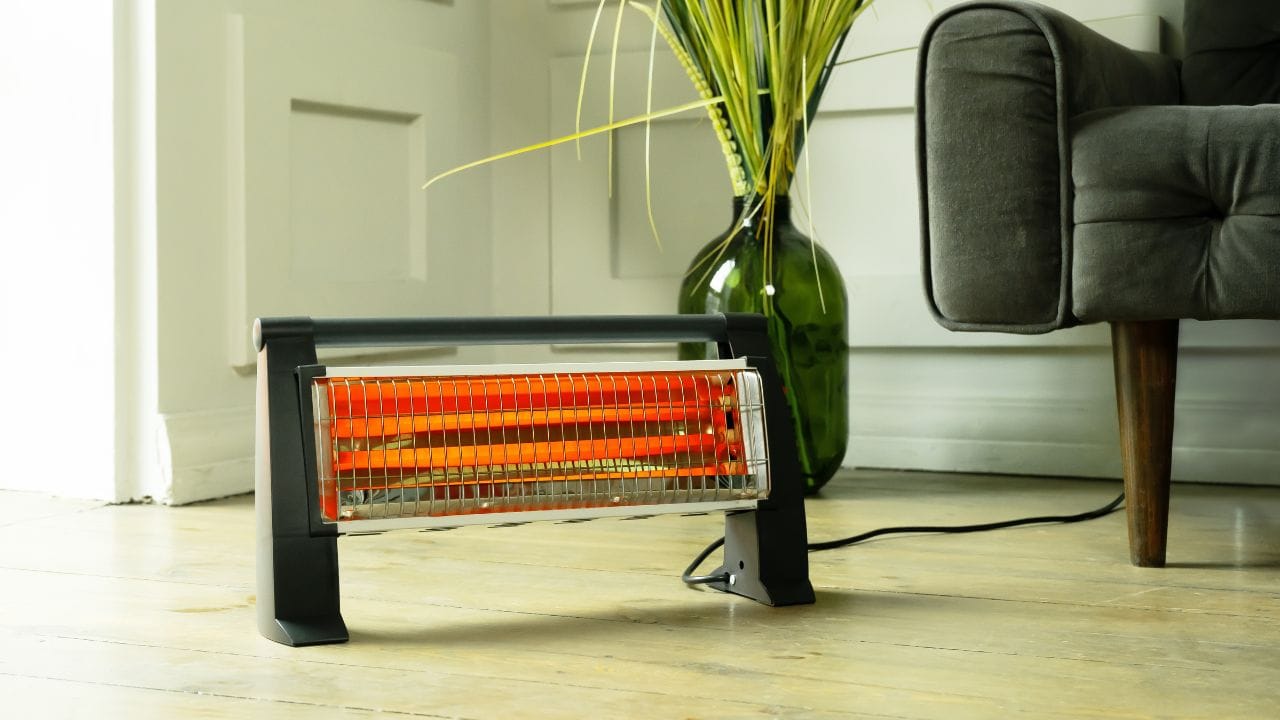
Tight budgets don't mean saying no to everything. They mean saying yes on purpose. If a space heater in the room you actually use lets you lower the thermostat two degrees, that's savings with sanity. If grocery delivery costs five dollars but keeps you from impulse buys and hauling three kids through the store, that's a trade worth making.
Frugal isn't martyrdom. It's designing a routine you can carry week after week without breaking.
Simplify the decision load
Food is the loudest category because it's a decision every day. Shrink the menu. Five family dinners that flex with sales will feed you better than twelve Pinterest recipes that require new spices and a special trip. Breakfast and lunch get two choices each. Boring on purpose beats "what's for dinner?" panic at 5:30.
Apply the same idea to clothes, cleaning products, and kids' activities. Fewer categories, deeper stock in what you actually use. The fewer decisions you make in stores, the less money leaves your account.
Choose honest storage over hoarding
Stocking up can be smart, but only if you can see and use what you buy. One calm shelf with a month of your true staples (broth, tomatoes, beans, pasta, rice) is better than a garage avalanche of "deals." Label it "backup," and don't open a new one until the current one is empty. That simple boundary stops double-buying and expired waste.
Replace "someday" with "this week or never"

We all own items for the life we might live. Frugal survival asks a harder question: does this earn its space this week? If not, sell it, donate it, or stop buying similar things. The money you free up will feel like a raise because clutter is expensive-time, energy, and late fees hiding under piles.
Let your calendar be your budget
Empty squares cost money. They invite drive-thru dinners, last-minute gifts, and "we'll figure it out" runs to the store. Write down the next two weeks. Guard two home nights. Plan the simplest meals on the busiest days. Pair each event with what you'll bring so you aren't buying on the way.
This version of frugal isn't about boasting how little you spent. It's about having a house that runs on purpose so you can be present with your people. Survival sounds dramatic. In practice, it looks like peace.
*This article was developed with AI-powered tools and has been carefully reviewed by our editors.





Leave a Reply