
You might think clutter is just a visual problem - something that makes your house feel messy or disorganized. But clutter affects more than how your space looks. It changes how you think, how you feel, and how you spend.
When your home feels chaotic, it quietly pushes you toward more purchases, even when you're trying to save. The connection between clutter and overspending runs deeper than most people realize.
Clutter hides what you already own
When things don't have a clear place, you lose track of what you actually have. That's how people end up buying another measuring cup or extra batteries when there are already three packs buried in a drawer.
The more clutter you have, the harder it is to find things - so you keep replacing them. That cycle eats away at your budget in small, constant ways. Once you declutter, you can actually see what's already available, which makes it easier to pause before buying something new.
Messy spaces increase decision fatigue
Every time you look around a cluttered room, your brain has to process every item it sees - what it's for, where it should go, why it's there. It's mentally exhausting. When you're tired of making decisions at home, you're more likely to make impulsive ones at the store.
That's how clutter indirectly drains your willpower. A tidy space gives your brain room to rest, and that clarity helps you make more thoughtful financial choices.
Clutter makes you crave control
When your home feels out of control, you naturally look for ways to regain a sense of order or comfort. For a lot of people, that means shopping. Buying something new can give you a quick feeling of control - a small win in the middle of chaos.
It's that hit of temporary calm that comes from a new purchase, but it fades fast. The clutter remains, and now your budget takes the hit too.
You spend more trying to organize what you don't need
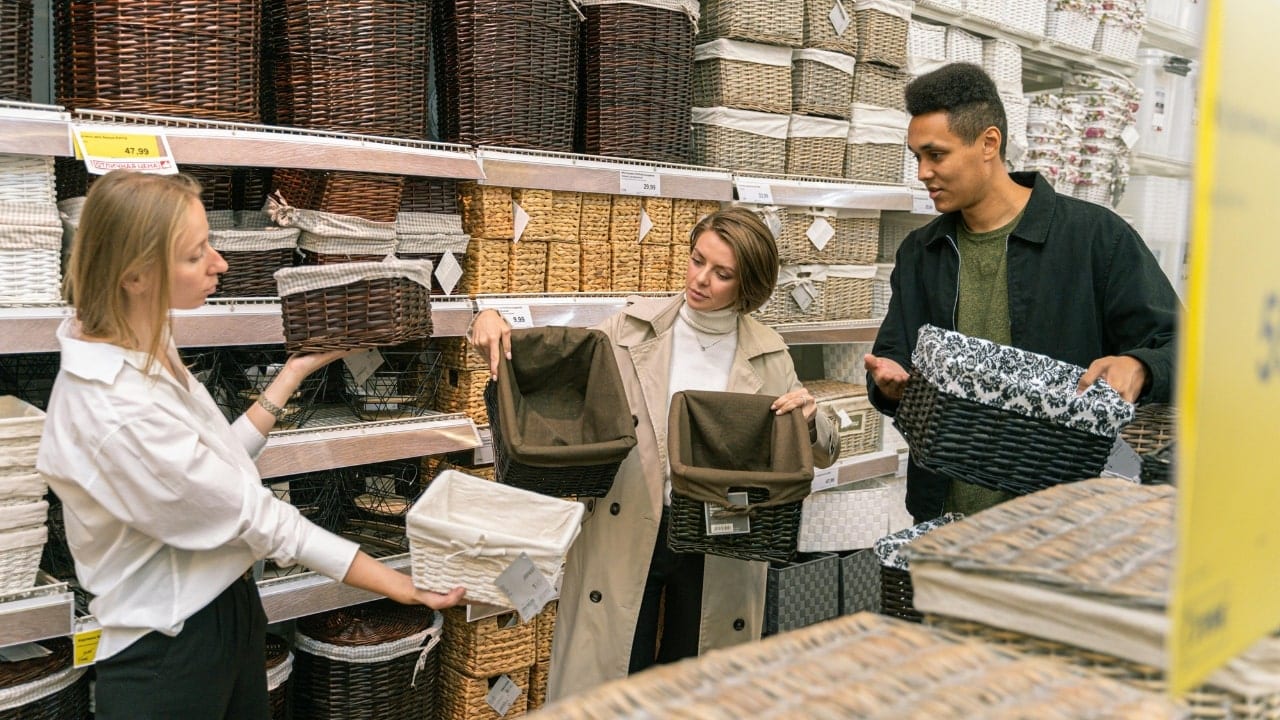
Clutter leads to more spending because you start buying things to manage it - bins, baskets, shelving systems, and storage containers. Instead of decluttering, you're reorganizing excess.
The problem isn't lack of storage; it's too much stuff. Organizing can be productive, but it doesn't solve the core issue. When you cut down what you own, you stop needing to buy solutions for the mess.
Clutter blocks appreciation for what you already have
When your space is packed, it's hard to see or enjoy your favorite things. You stop noticing them because they're surrounded by too much else. That lack of appreciation can trick you into thinking you need new decor, new clothes, or new furniture - when in reality, you'd probably love what you already own if it had breathing room.
Creating space helps you see the value in what you have instead of constantly seeking more.
Clutter makes spending feel justified
When everything feels out of balance, spending starts to feel like fixing. You buy candles to make your space feel calmer, matching bins to make it look organized, or clothes because you "need" something fresh.
Clutter shifts your perspective so that spending feels like problem-solving instead of what it is - avoidance. Once you declutter, that pressure to buy fades because you no longer feel like you're constantly making up for chaos.
Clean spaces naturally make you more intentional

When your home feels clear and calm, you become more intentional across the board - with your time, your money, and your habits. You stop shopping for entertainment and start buying with purpose.
The fewer distractions you have, the more you recognize which purchases actually add value. It's not about living with less for the sake of it - it's about creating enough clarity to make better choices.
Clutter doesn't just cost you space; it costs you money in ways that sneak up on you. Every pile, drawer, and storage bin of "someday" items keeps you disconnected from what you truly need.
When you clear it out, you spend less not because you're restricting yourself, but because you finally have enough.
*This article was developed with AI-powered tools and has been carefully reviewed by our editors.






Leave a Reply