
On paper, buy now, pay later sounds harmless. Four payments, no interest, and you can walk out with what you need today. But older shoppers-especially those on fixed incomes-are getting squeezed by BNPL in ways younger buyers don't always feel. It's not because anyone is reckless. It's because the way these plans bill doesn't line up with the way fixed budgets work.
Small payments break the calendar, not the budget
The marketing leans on "just $24 today." The problem is the next three payments hit automatically, often every two weeks, regardless of when your Social Security or pension deposits land. If your income arrives monthly and the plan charges biweekly, you can have two drafts before money shows up again. That mismatch turns a manageable purchase into an overdraft fee machine.
There's also the stacking effect. One $24 plan is fine. Three of them across different retailers in the same month can eat a quarter of your grocery budget without you noticing until the receipts pile up. It's not the size-it's the timing.
"No interest" isn't the whole story
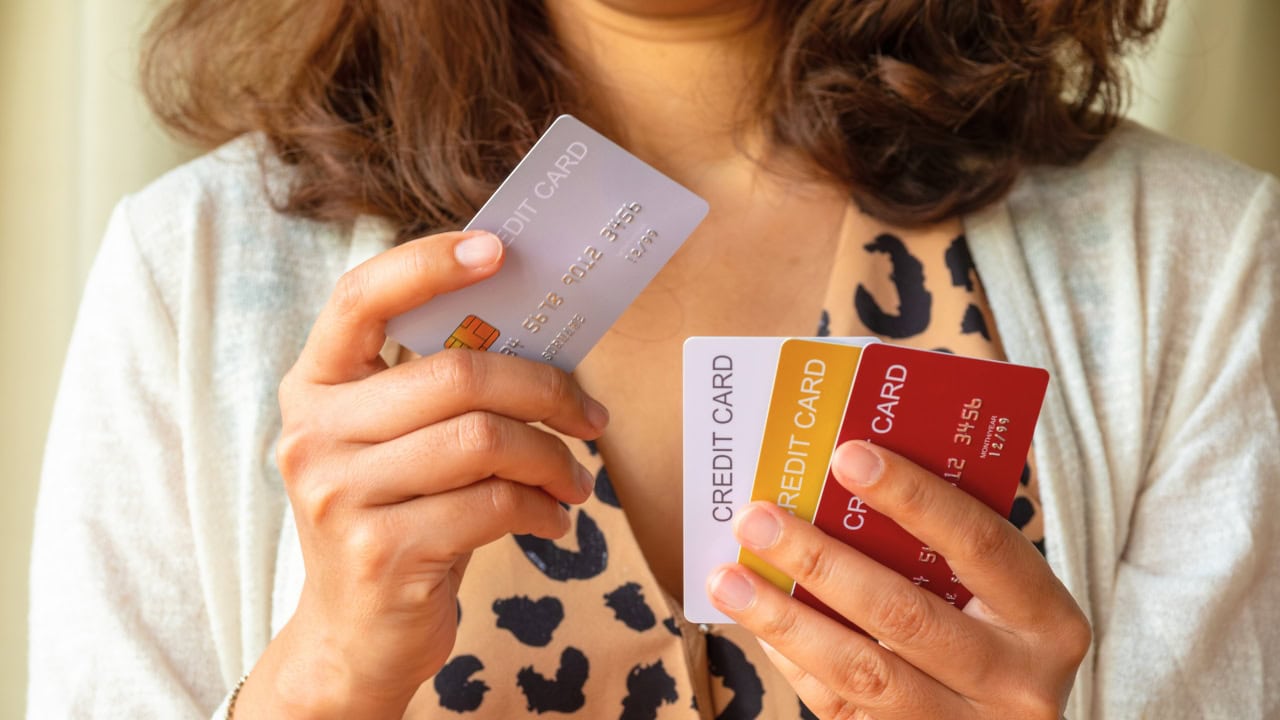
BNPL providers make money in other ways: late fees, failed-payment fees, and sometimes higher prices from retailers who bake in the cost of offering the plans. If a card on file expires or a bank flags a transaction, the automatic draft fails and you're dinged. The fees aren't huge individually, but they're enough to wipe out whatever "savings" you felt by avoiding a credit card interest rate.
For older shoppers who keep lean balances to avoid overspending, a one-day mismatch between a deposit and an auto-draft can trigger a chain reaction-fee from the BNPL company, fee from the bank, and a scramble to fix it.
Returns and exchanges get messy
Traditional credit cards let you return an item and reverse the charge. With BNPL, your next installment may still come out while the return processes. If a store converts a return to store credit, you can end up paying off a plan for something you no longer have while holding a gift card you didn't want. Fixed-income shoppers feel that cash-flow pinch harder because there isn't extra in the account to float the overlap.
What helps right now
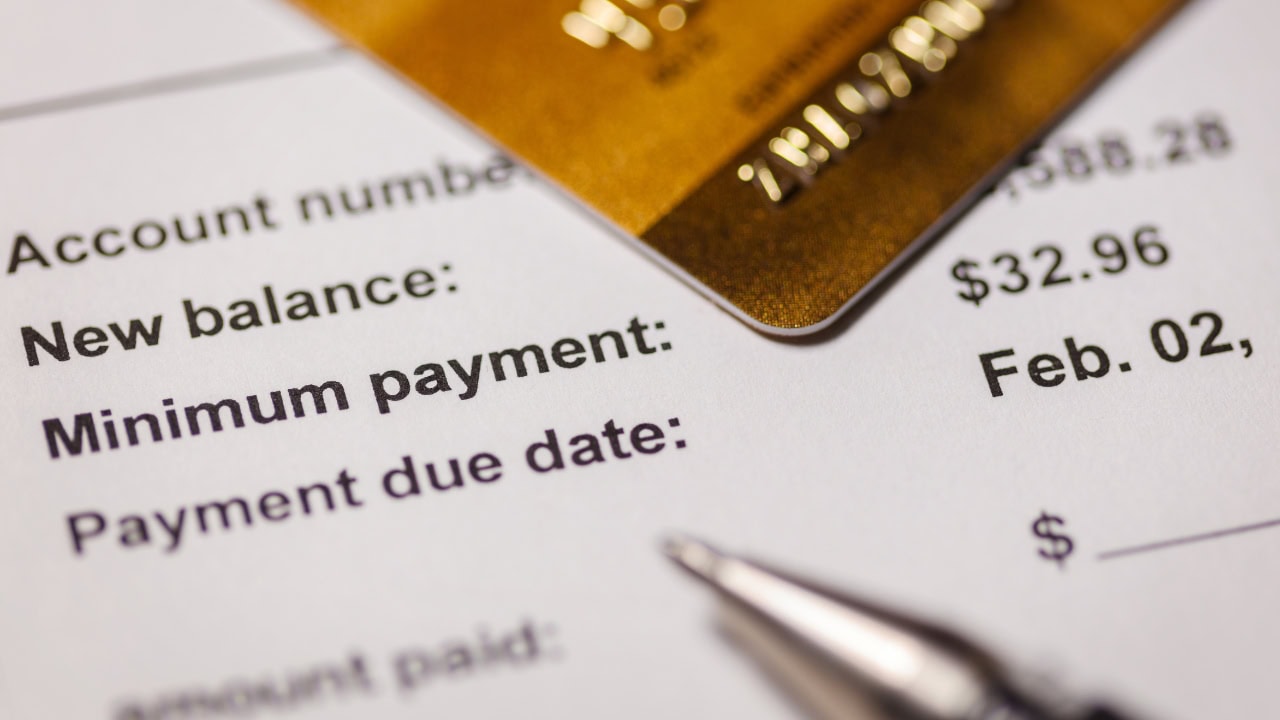
If you've already used BNPL, write down the next three draft dates and amounts. Put them on the same calendar as your income deposit so you can see collisions before they happen. If a draft would land two days before your check, move cash into that account ahead of time or contact the provider-many will let you shift a payment once per plan if you ask before the due date.
Going forward, limit BNPL to needs that won't go on sale next week-appliances, work boots, medical devices-and cap it at one active plan at a time. Skip it entirely for gifts, clothes, and household extras. If the only way it fits is four payments, you'll feel the aftershocks later.
A cleaner alternative for steady budgets
If you use a cash-back card responsibly, one purchase per cycle that you pay in full gives you consumer protections and a single due date each month. Otherwise, set up a true sinking fund for bigger buys. Transfer a fixed amount into savings every payday and label it "house," "auto," or "gifts." It's not exciting, but it lines up with a fixed income and keeps December from drafting January's money.
BNPL isn't evil. It's just not designed for monthly cash flow. When timing is your biggest constraint, predictability is worth more than zero percent.
*This article was developed with AI-powered tools and has been carefully reviewed by our editors.






Leave a Reply