
Money leaks have a way of blending into the background. You don't notice them until you finally scroll through your statements and realize you're still being charged for things you haven't used in years.
Between autopay, free trials, and old memberships that renew on their own, it's easier than ever to keep paying for things out of habit. The truth is, most people waste hundreds each year on subscriptions or services they've forgotten about-not because they're careless, but because no one ever said to stop.
Subscriptions that quietly renewed
Streaming services, apps, and memberships are designed to renew without a reminder. You sign up for a free trial, or maybe you added another platform during a new season of your favorite show. Months later, you've either moved on or switched to something else, but the charges kept coming.
Go through your email for "renewal confirmation" or "subscription receipt" messages. You'll probably find a few you didn't realize were still active. Canceling them doesn't take long, but it can easily free up $30-$100 a month that's been slipping away unnoticed.
Services tied to old purchases
When you buy a product-like a security system, antivirus software, or a fitness tracker-companies often get you to sign up for add-on services that auto-renew yearly. Once the product itself breaks or becomes outdated, the service stays running quietly in the background.
If you've ever replaced your laptop, router, or phone, check to see if you're still paying for anything linked to the old one. Even tech support plans and warranty extensions can hang around years after you've moved on to a new device.
Insurance or protection plans you no longer need
Extended warranties, product protection, or extra insurance coverage can make sense in the moment-but only for as long as they're actually useful. Many of these plans are designed to renew automatically, even after the product's lifespan is long gone.
The same goes for overlapping insurance policies. If you switched providers or coverage types, make sure the old one really canceled. People often pay for two versions of the same protection without realizing it.
Memberships that slipped through the cracks
Gym memberships, warehouse clubs, and professional associations are easy to forget once you stop using them. Some even make canceling intentionally difficult, hoping you'll give up and let it ride. It's worth taking the time to track them down and end them properly.
Even if the cost seems small each month, it adds up fast. And if you ever want to join again, most places will gladly take you back-so there's no real reason to keep paying for something you're not using now.
Apps charging through your phone bill
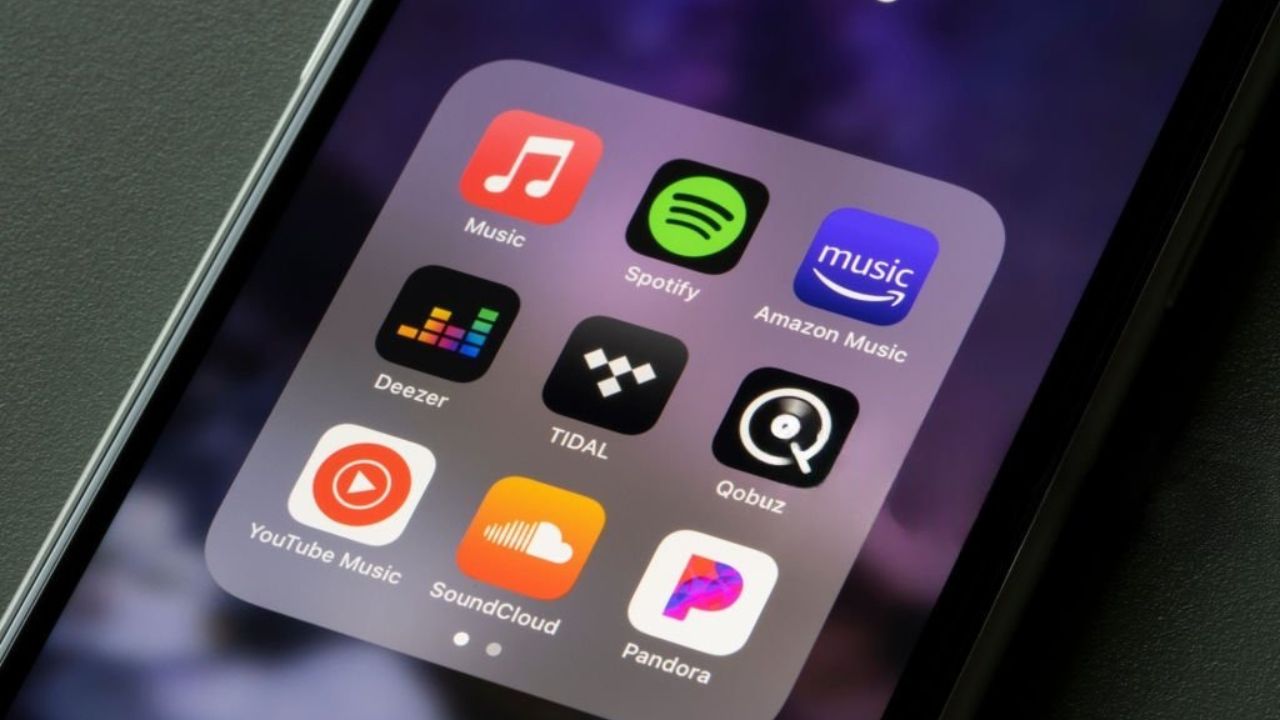
App stores have made it way too easy to lose track of what you're subscribed to. Between premium versions, ad-free upgrades, and trial-based features, you might be paying several small charges through your phone that never show up as separate bills.
Go into your phone's subscription settings and scroll through everything tied to your account. You'll probably find a few things that seemed minor at the time but quietly renew every month. Those small $4.99 or $9.99 charges add up faster than you'd think.
Convenience fees that became permanent
Many services sneak in "temporary" convenience charges-delivery apps, cloud storage upgrades, or added data plans-that you meant to cancel once life calmed down. But since they're linked to automatic payments, they've stayed active long after you stopped needing them.
Audit any recurring charges on your main card. Ask yourself whether they're actually providing value or if they became part of your budget by accident. Removing even two or three can make a noticeable difference every month.
Old accounts still connected to your card
If you've ever switched banks or cards, there's a good chance an old account somewhere is still billing the old number-especially if your bank auto-transferred subscriptions during the switch. Services like PayPal, Amazon, or Apple Pay can keep payments running in the background without showing up as clearly labeled charges.
Take a few minutes to look through your linked accounts. Removing outdated payment methods doesn't just save money-it also lowers your risk of fraudulent charges later.
The emotional attachment to "small" expenses
Sometimes, you keep paying for things because canceling feels inconvenient or sentimental. Maybe it's a magazine you used to love or an online class you never finished but keep telling yourself you'll return to. Those "I might use it someday" expenses can quietly cost hundreds a year.
Be honest about what you actually use and enjoy right now. Canceling something doesn't mean you've failed-it means you're paying attention again. That's how financial awareness starts.
How to find everything hiding in plain sight

The easiest way to spot forgotten expenses is to print or download your last three months of statements and highlight every recurring charge. Apps like Rocket Money or Mint can also help track and flag subscriptions automatically, but even a manual check can be eye-opening.
Most people are shocked at what they uncover. That streaming bundle from 2021? The cloud storage upgrade you never needed? Those monthly dollars could be better used somewhere else-like savings, debt payoff, or even something that actually brings value to your life.
*This article was developed with AI-powered tools and has been carefully reviewed by our editors.





Leave a Reply