
Before we ever signed a contract for solar, we wanted to make sure we were ready. Too many people think installing panels alone will cut their power bill in half, but that's only true if your house and habits are already set up to make the most of it. Solar works best when your energy use is under control, and we knew that meant tightening things up first.
We spent a few months getting the house more efficient and reducing our baseline energy use before going all in-and it paid off. Our solar system didn't have to be oversized, and our monthly bills dropped faster than expected. Here's what made the biggest difference.
We figured out where the energy was going
Before we touched anything, we wanted to see what was actually using the most power. You can't fix what you don't track. We pulled up our utility reports and plugged in a few smart outlets to see what was running even when we weren't home.
The results were eye-opening. Old appliances, space heaters, and "always-on" electronics were eating up power all day. Once we knew what to target, it was easier to make changes that actually mattered. There's no point in adding solar if half your energy is being wasted by things that could've been unplugged.
We sealed every leak we could find
A leaky house means your HVAC system runs nonstop, which drives up both your electric bill and the size of solar system you'll need. We checked around windows, doors, vents, and outlets on exterior walls. Weatherstripping and a few tubes of caulk made a huge difference.
Insulation mattered too. We added extra insulation in the attic and around the water heater to hold heat better in winter and keep it out in summer. The goal was to use less energy to begin with, not rely on panels to cover waste.
We upgraded lighting and appliances first
Swapping out light bulbs doesn't feel like much, but it adds up. We replaced every bulb in the house with LEDs, which use a fraction of the power and last longer. Then we focused on the bigger stuff-our old fridge and dryer were running inefficiently, and upgrading to Energy Star models dropped our monthly usage noticeably.
These small changes made our "base load" much lower before solar even entered the picture. That meant we didn't need as many panels to meet our energy needs, which saved money up front.
We changed the way we used electricity
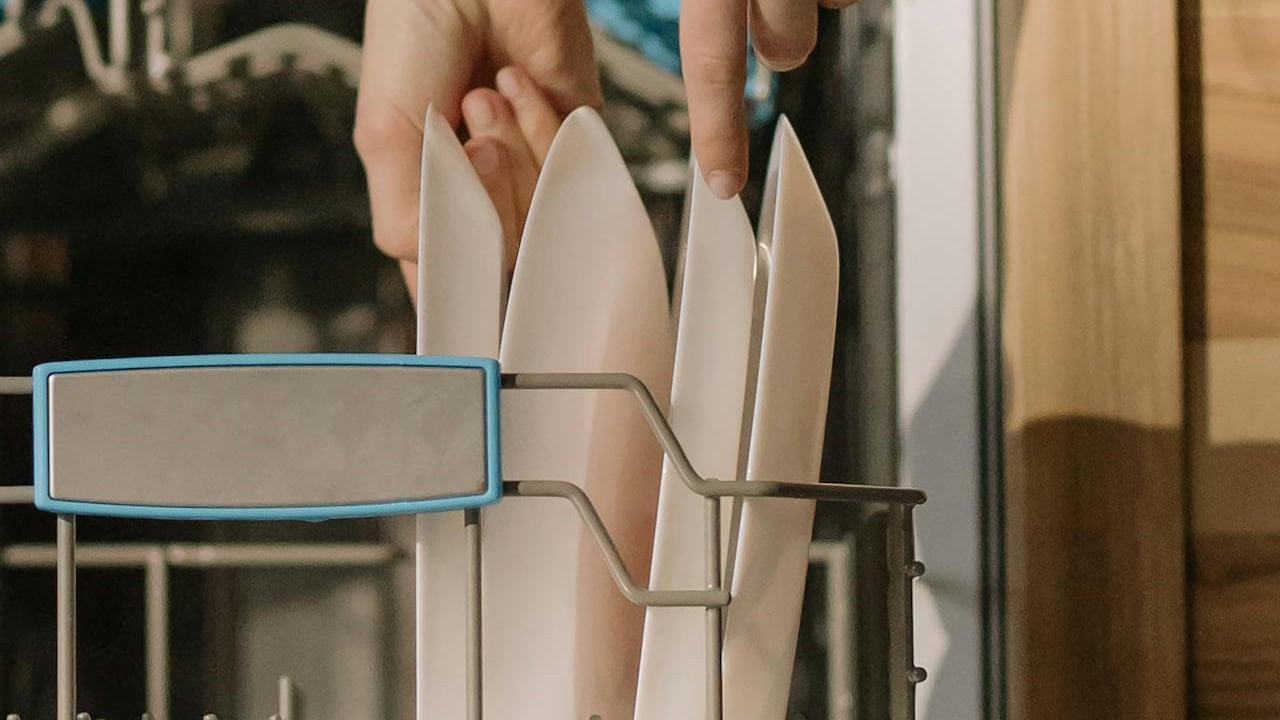
We started paying attention to when and how we used power. Running the dishwasher or laundry at night made more sense than running them during peak hours. We also got better about turning off lights, unplugging chargers, and avoiding space heaters unless absolutely necessary.
It sounds basic, but habits make a huge difference. Solar doesn't magically erase waste-it just offsets it. If you can lower your overall usage now, you'll see bigger savings once the panels are producing.
We trimmed our outdoor power use
Outdoor lighting and equipment are easy to forget about, but they draw more power than you realize. We swapped out the floodlights for motion-sensor LEDs and started using timers on landscape lighting.
We also cut back on how often we ran our well pump and outdoor outlets. The fewer high-draw items running on your property, the more efficiently your solar setup performs. It's all about making the system support what you actually need, not excess.
We checked the roof and electrical system
Before installation, it's worth making sure your roof and wiring are ready. We had a roofer inspect the shingles to make sure they wouldn't need replacing soon-because the last thing you want is to pull off panels a year later for repairs.
We also had an electrician check our panel capacity and wiring to make sure it could handle the added load. Older homes sometimes need an upgrade before solar can safely tie in, and handling that early saves time and stress later.
We looked into local incentives and rules

One thing that can make or break your savings is understanding your local setup. We researched state incentives, tax credits, and how our utility company handles net metering. Some programs pay you for the power you send back to the grid, while others don't.
Knowing those details up front helped us size the system right. We didn't overbuild expecting credits that wouldn't come, and we made sure we'd qualify for every rebate possible. It's worth doing the homework before you spend a dime.
We thought long-term, not short-term
Installing solar isn't a quick project-it's an investment. We wanted to make sure our choices would pay off for decades, not just the next few years. That meant choosing a reliable installer, understanding the warranty, and making sure our daily habits supported long-term efficiency.
Once everything was in place, the switch felt easy. Our energy use was low, our house was sealed up tight, and the panels didn't have to work overtime to cover bad habits. That's where the real savings come from-doing the prep before installation, not after.
*This article was developed with AI-powered tools and has been carefully reviewed by our editors.






Leave a Reply