
Thrift stores can be goldmines for finding good deals-until they aren't. There's a fine line between something worth rescuing and something that should've gone straight to the dumpster.
Some items carry hidden risks, while others cost more in repairs, cleaning, or safety concerns than they're worth. No matter how tempting the price tag looks, a few categories are better left on the shelf.
Upholstered furniture
It's hard to walk past a $20 couch and not imagine giving it a new life. But upholstered furniture is one of the riskiest thrift store buys. You can't see what's living inside the cushions-dust mites, allergens, or worse, bed bugs. Even professional cleaning can't always guarantee it's safe.
If you're looking for furniture, stick with wood, metal, or plastic pieces you can fully clean and disinfect. They're safer to bring into your home and still easy to refresh with a little sanding or paint. Upholstery is best bought new, no matter how thrifty you are.
Helmets or car seats
Safety gear is one of those things you never want to gamble on. Helmets and car seats might look fine, but you can't tell if they've been in an accident or dropped hard enough to lose integrity. Once they've been compromised, they won't protect you the way they're supposed to.
Manufacturers also put expiration dates on these items for a reason-materials degrade over time. Always buy safety gear new. It's one of those cases where saving a few bucks can end up costing much more later.
Mattresses and bedding
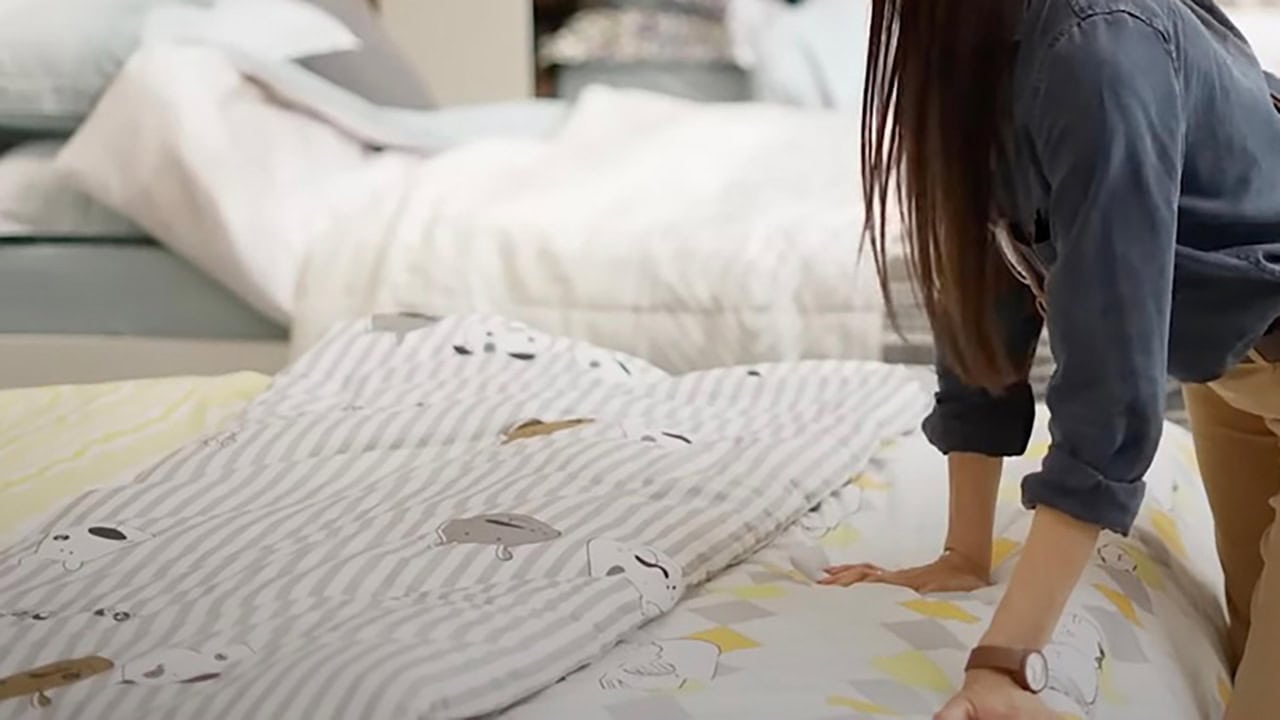
Used mattresses are a major red flag. Even if they look clean, they can harbor bacteria, mold, or bed bugs that are nearly impossible to get rid of. The same goes for pillows and comforters-once something's been slept on, there's no reliable way to sanitize it completely.
If you're drawn to the idea of saving on bedding, stick with new items in sealed packaging. Thrift stores sometimes carry overstock or brand-new donations from retailers, which are perfectly fine. Otherwise, skip anything that's been in someone else's bedroom.
Small kitchen appliances
Used coffee makers, toasters, or blenders might seem harmless, but they can be more trouble than they're worth. You have no idea how they were used-or how clean they really are inside. Old wiring can also pose a fire risk, especially on appliances made before modern safety standards.
If you're buying kitchen gear secondhand, limit it to non-electric tools like mixing bowls, utensils, or cast iron pans. Those can be scrubbed and sanitized easily. Plug-in gadgets? Leave them behind.
Makeup or personal care items
It sounds obvious, but you'd be surprised what ends up donated. Makeup, hair tools, or skincare products can carry bacteria, even if they look unopened. Once something's been used on skin, it's risky to reuse. Old electrical tools like curling irons and blow dryers can also be unsafe if they've been stored improperly or have frayed cords.
Stick to sealed, brand-new products only. Some thrift stores get store donations or liquidation stock-those are fine. Anything that's been opened or used should never make its way into your bathroom.
Shoes that look "gently used"

Used shoes are a wildcard. Even if they look barely worn, the insoles have likely molded to someone else's foot shape. That can throw off your support and cause pain or blisters. They can also harbor fungus or bacteria, especially if they've been worn without socks.
If you find brand-new shoes with tags or soles that look untouched, go for it. Otherwise, skip them. The risk to your feet isn't worth the savings.
Electronics without cords or packaging
Thrift store electronics are a gamble. If something's missing cords, accessories, or original packaging, there's a good chance it doesn't work-or won't for long. Even if it powers on in the store, you have no idea how much life it has left or what kind of damage it's hiding.
Unless it's a collectible or something you can easily test, skip used electronics altogether. The price might be low, but there's usually a reason it's sitting there in the first place.
Thrifting can be a great way to save money and give old items new life-but some things are better left behind. When it comes to health, safety, or cleanliness, there's no deal worth the risk. Stick to items you can clean, repair, or verify, and you'll still get the thrill of the hunt-without bringing home someone else's problems.
*This article was developed with AI-powered tools and has been carefully reviewed by our editors.





Leave a Reply