
What I changed to stay under a $300 food budget
Keeping your grocery bill under control takes more than clipping a few coupons-it comes down to building different habits around food. A $300 food budget can feel tight, but it's doable if you're intentional about what comes home and how you use it.
By trimming waste, planning smarter, and sticking to what you know you'll actually eat, you can stretch every dollar without feeling deprived. These changes aren't complicated, but together they make a huge difference.
Planning Meals Around Sales

Instead of deciding what to eat first and then shopping for it, look at the weekly store ads and build meals around what's discounted. When chicken, pasta, or produce goes on sale, stock up enough for several meals.
This approach shifts the way you shop-you're letting the deals dictate your menu. It's one of the fastest ways to shave 10-20% off your grocery total without cutting out foods you enjoy.
Buying in Bulk for Basics

Staples like rice, beans, oats, and flour stretch further and cost less per pound when you buy them in larger packages. Even if the upfront cost is higher, it lowers your overall spending over time.
You don't have to buy everything in bulk-just the items you know you'll consistently use. This keeps you from running back to the store every week, where it's easy to overspend.
Sticking to Store Brands
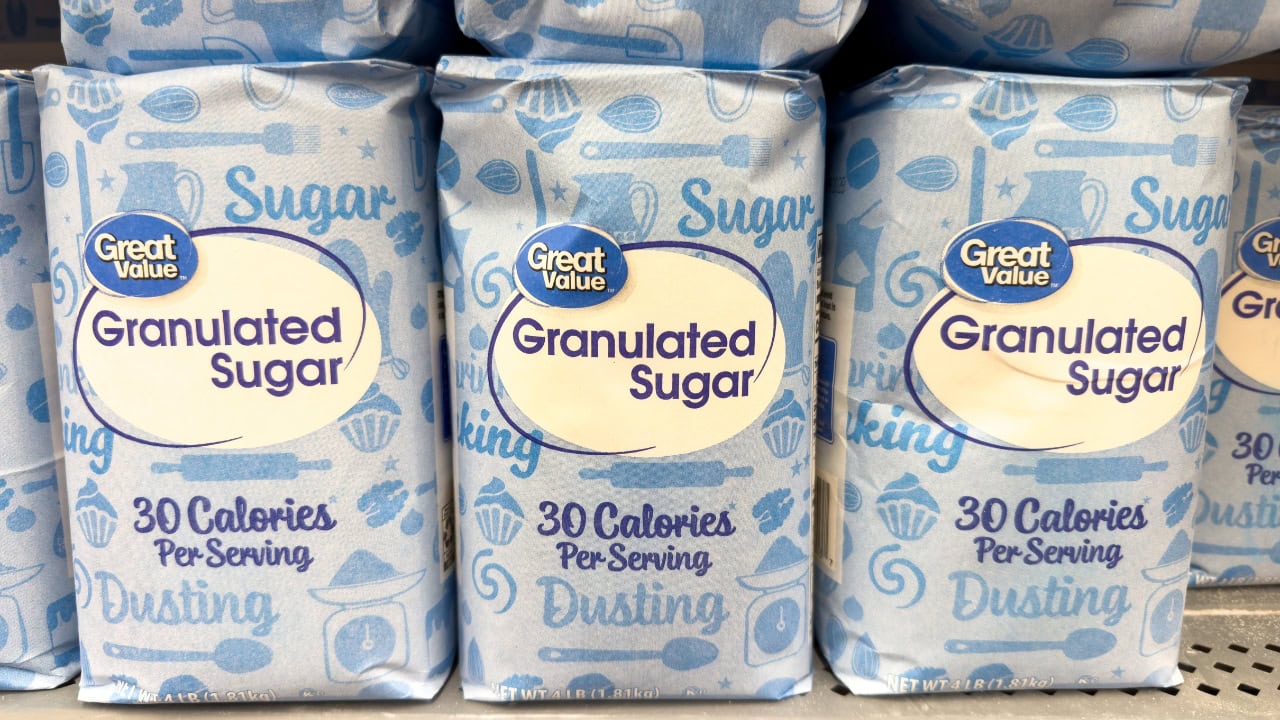
Name brands might look more appealing, but the quality of many store brands is nearly identical. Choosing the cheaper option on items like canned goods, dairy, and cleaning basics can save several dollars per trip.
When you apply this swap across your whole cart, it can knock $20 or more off your grocery bill without much effort. Over a month, that adds up quickly.
Cutting Out Extra Trips
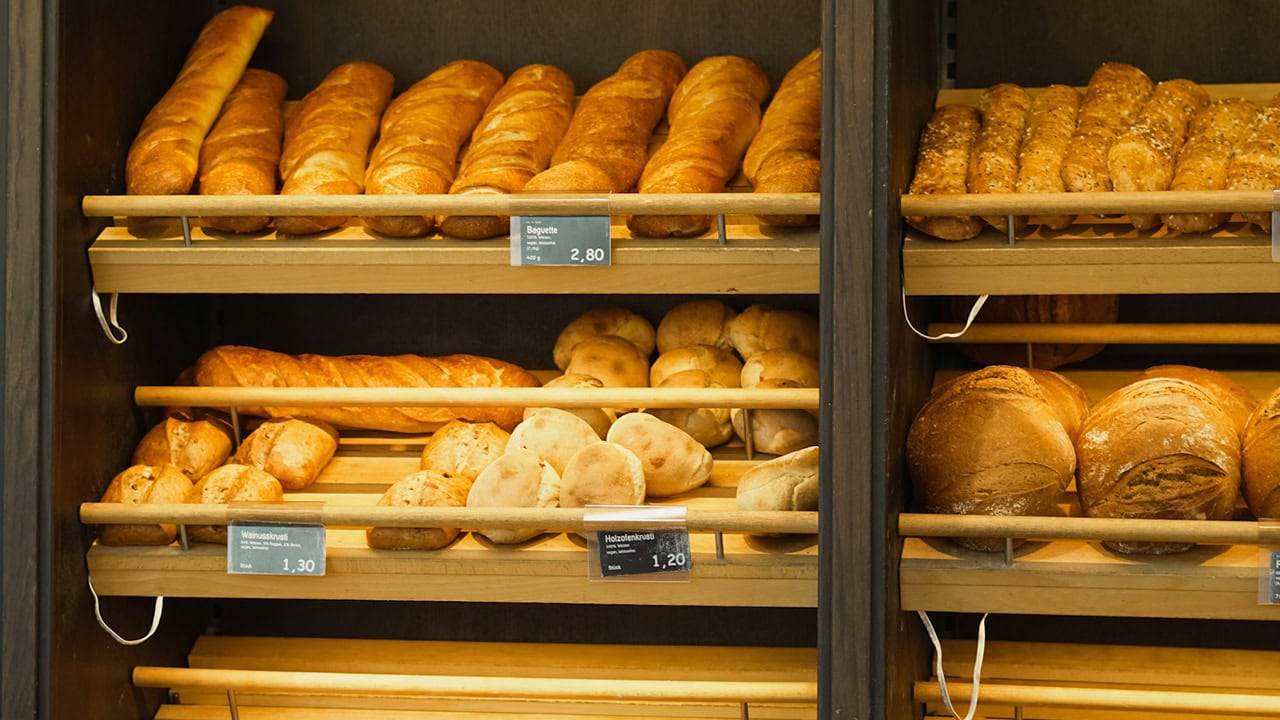
Every "quick stop" for milk or bread usually turns into spending an extra $20 on things you didn't plan to buy. Sticking to one big grocery trip per week-or every two weeks if you can-keeps those extras from sneaking in.
Making a list and sticking to it helps here. When you don't step foot in the store as often, you remove the temptation to grab things you don't actually need.
Cooking More at Home
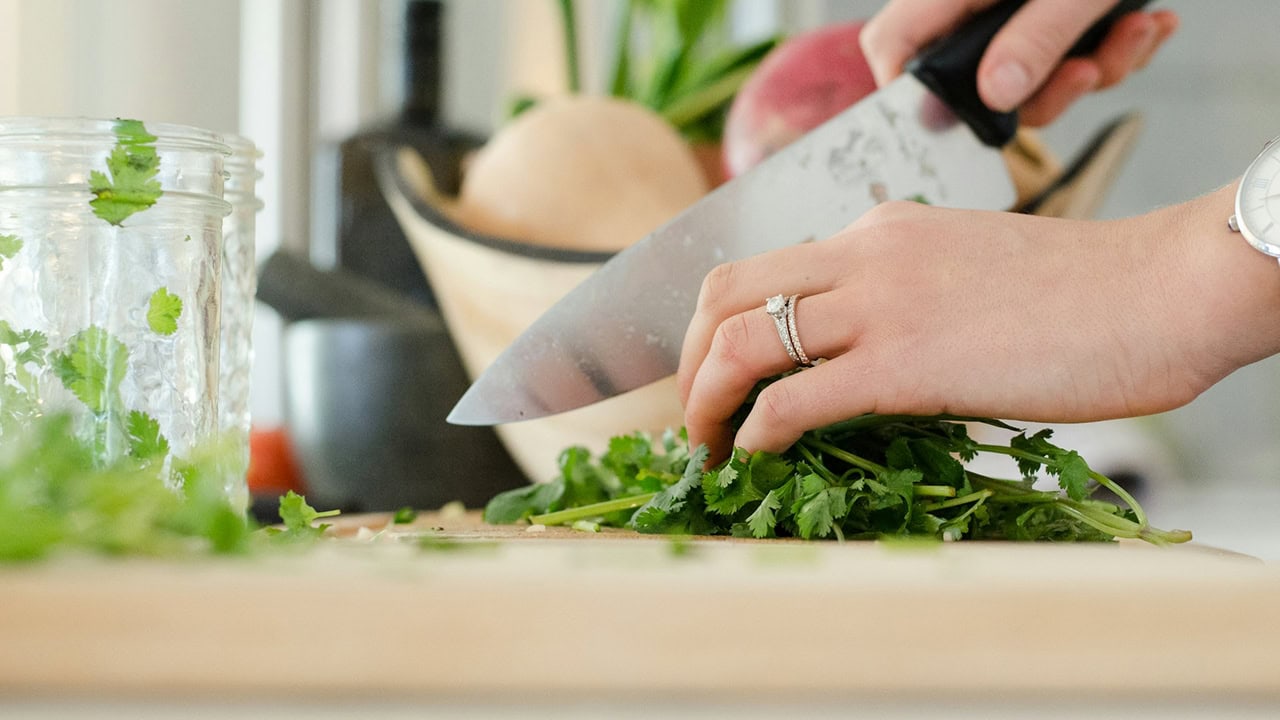
Takeout adds up fast, even if it's just a couple of nights a week. Cooking at home with what you already bought stretches your food budget and gives you more control over portions.
It doesn't have to be elaborate-simple meals like stir-fries, tacos, or pasta dishes keep costs low while still filling everyone up. Planning easy dinners makes you less likely to reach for your phone and order out.
Using the Freezer Wisely
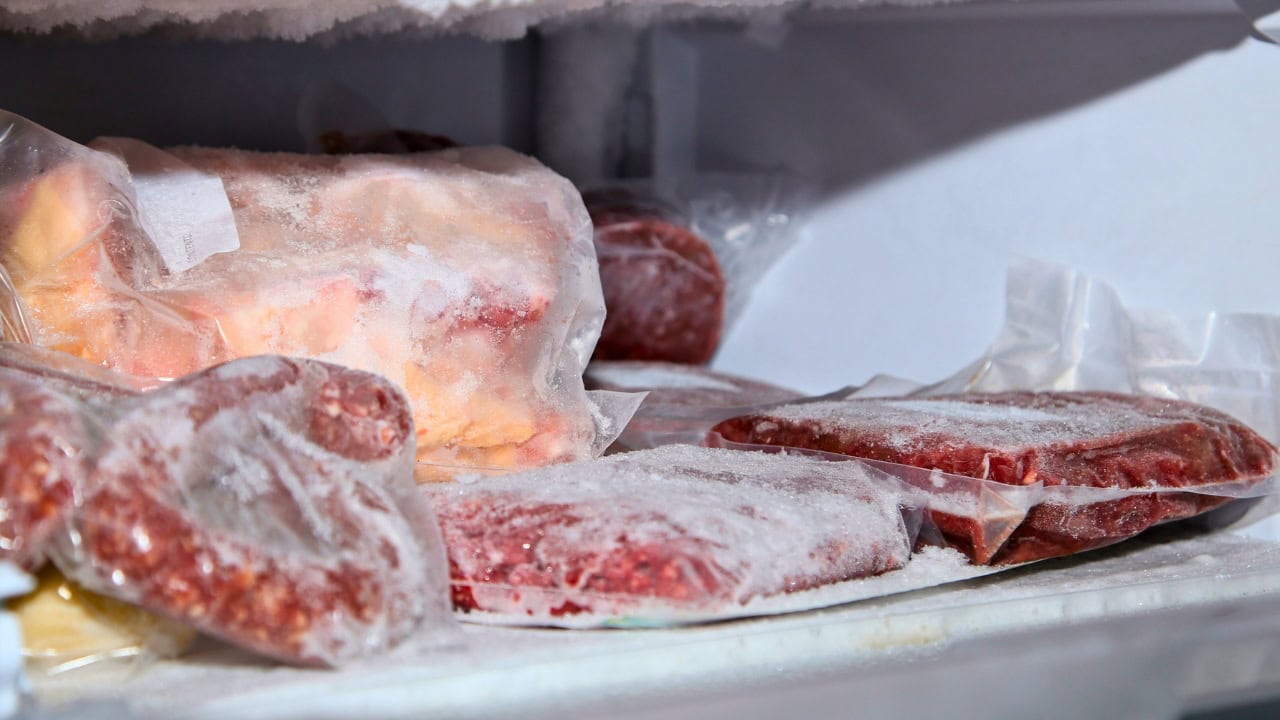
The freezer is one of your best tools for staying under budget. Freeze meat in portions so nothing spoils, and stash extra bread or veggies before they go bad.
Having meals or ingredients ready to go means you're not scrambling at dinnertime, which cuts down on both waste and last-minute spending. A well-used freezer keeps your $300 budget realistic.
Reducing Snack Purchases
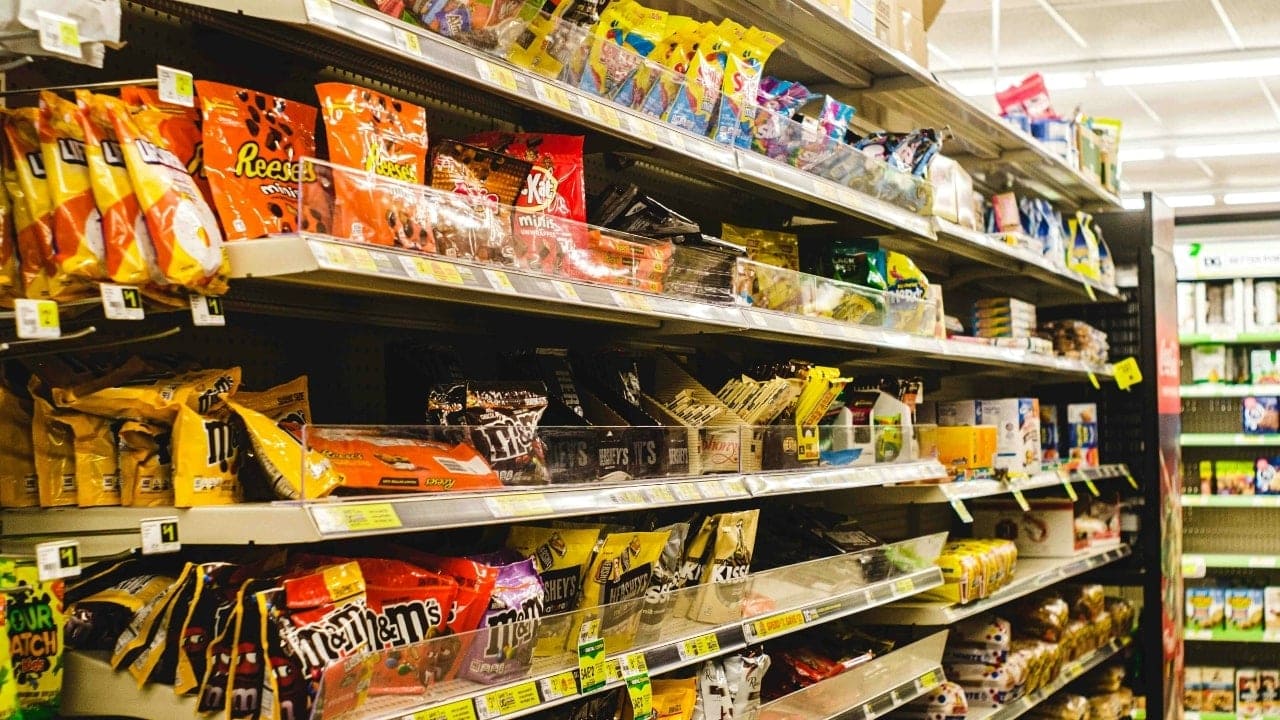
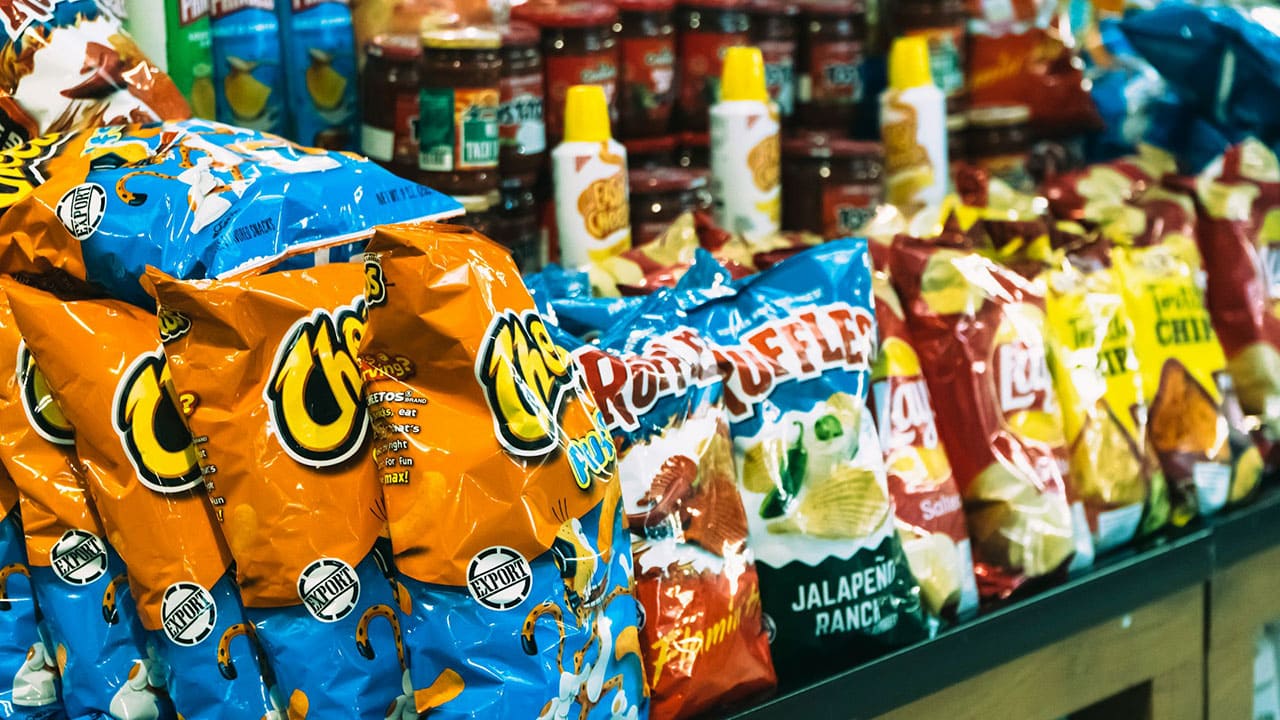
Snacks are some of the most expensive items per ounce in the store. Chips, cookies, and individually wrapped items eat up a big chunk of the budget without really feeding anyone.
By cutting back on snacks and focusing on more filling foods, you free up money for meals that stretch further. You don't have to cut them out entirely-just limit how many end up in the cart.
Wasting Less Produce
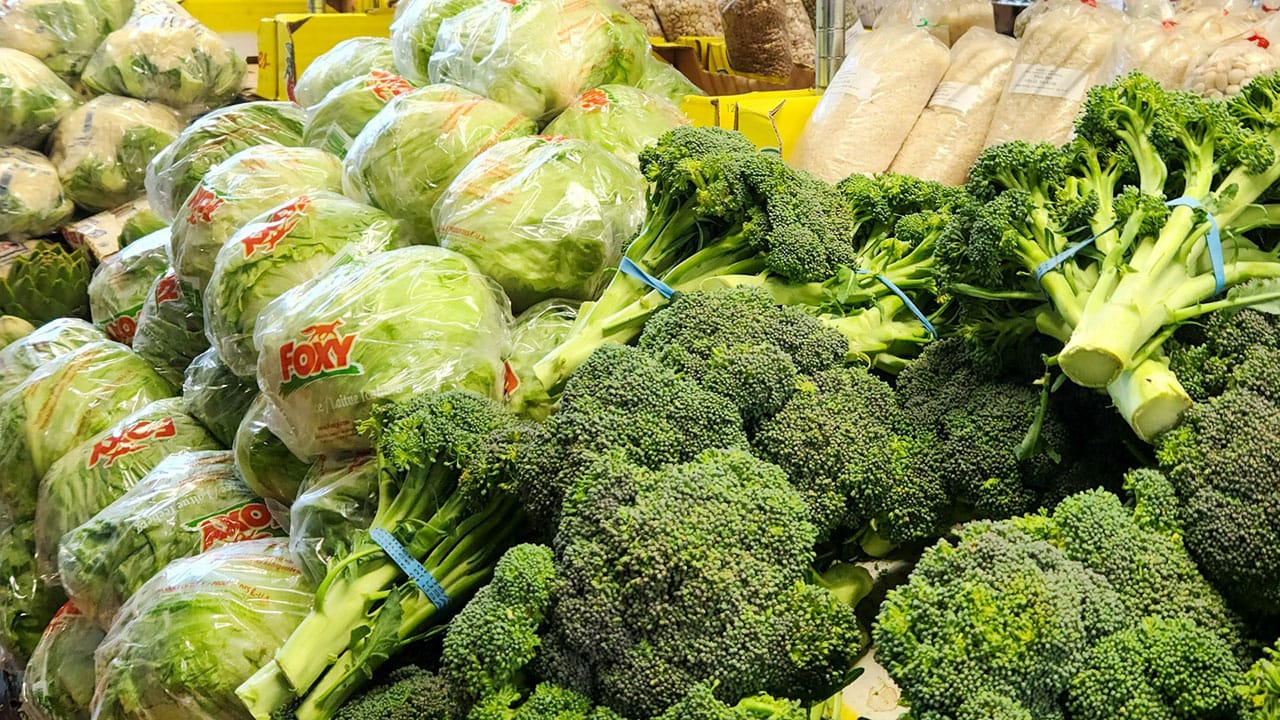
Produce is healthy but often gets tossed when you buy more than you can use. Stick to buying only what you know you'll cook or eat within the week.
If you notice items spoiling often, scale back your purchases or freeze extras before they go bad. Reducing waste is one of the most overlooked ways to save money at the grocery store.
Limiting Convenience Foods
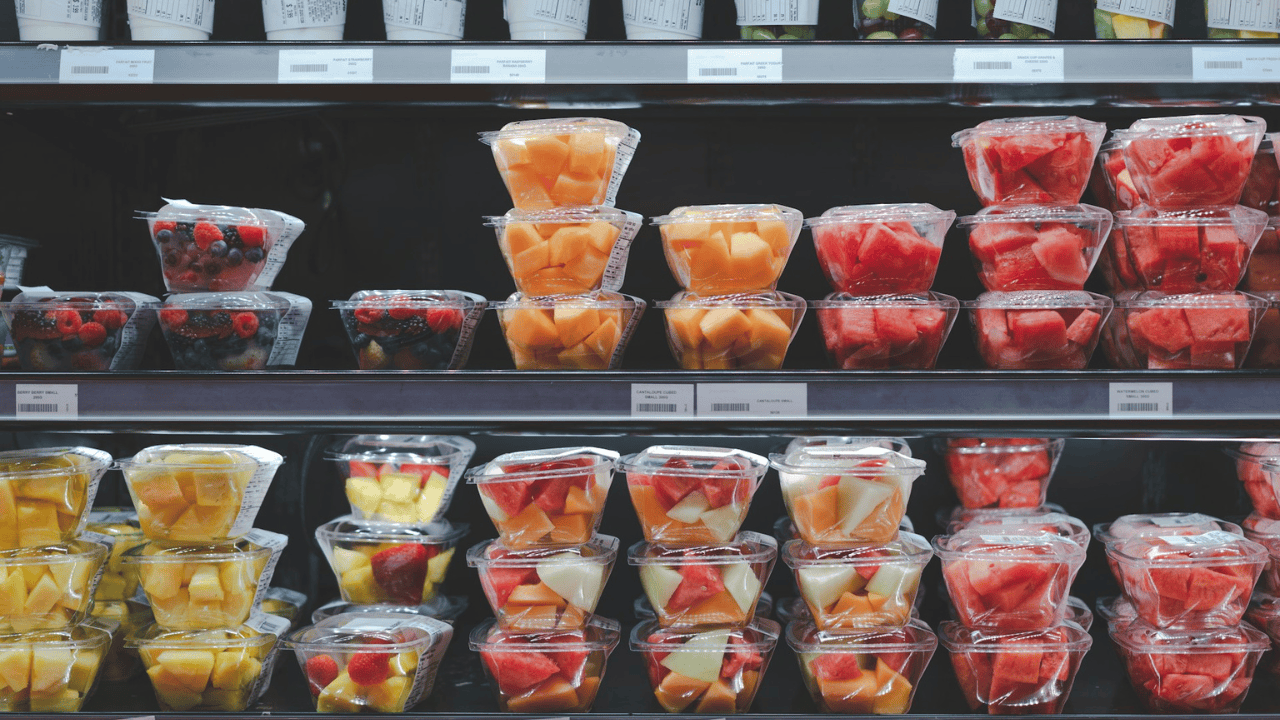
Pre-cut fruit, pre-made meals, and bagged salads are convenient but marked up heavily. Swapping them for whole produce or ingredients can save you a noticeable amount each trip.
It takes a little more prep time, but you get more food for the money. That small adjustment can free up enough in your budget to stay comfortably under $300.
Reusing Leftovers
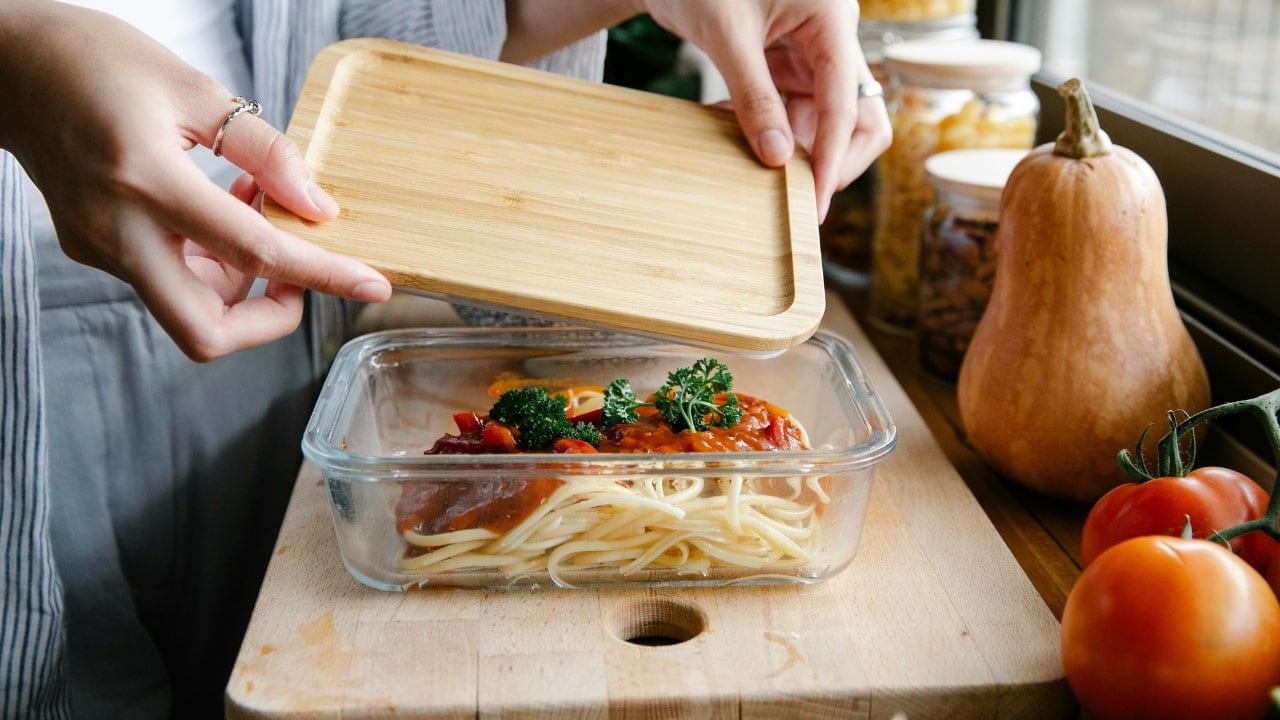
Cooking once and eating twice stretches both food and money. Turning leftover chicken into soup or using roasted vegetables in a stir-fry keeps meals fresh without extra cost.
Instead of letting extras go to waste, plan ahead for how you'll use them. This habit makes a big difference when you're trying to keep your grocery budget tight but realistic.
*This article was developed with AI-powered tools and has been carefully reviewed by our editors.






Leave a Reply