
Older homes have character, but they also have quirks that quietly drive up your power bill. What was efficient 40 years ago doesn't always hold up today, and the fixes that make the biggest difference usually aren't the flashy ones.
Most energy waste comes from small gaps, outdated systems, or habits that seem harmless until the bills roll in. The good news? You can tighten things up without gutting the place or breaking the bank.
Drafty windows and doors
If you can feel a breeze when the wind blows, your money is slipping right through those gaps. Older windows and doors lose more heat and cool air than anything else in the house, especially if they've never been properly sealed.
You don't have to replace them all at once. Add weatherstripping around doors and use rope caulk or clear film on windows through winter. A $10 tube of sealant can close air leaks that cost you hundreds each year. Even thick curtains can help trap heat indoors during cold months and block it out in the summer.
Poor insulation in attics and walls
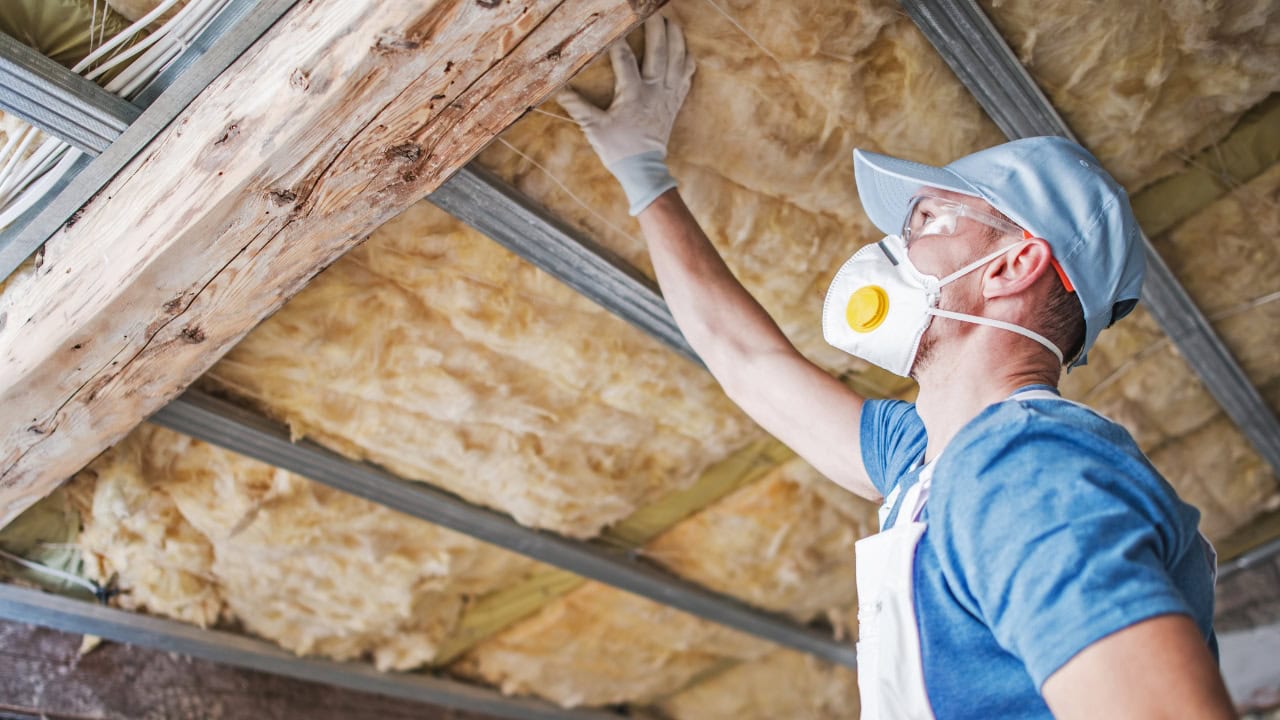
A lot of older homes were built before insulation standards improved, which means your attic might be letting out more heat than your windows. When warm air rises, it escapes through the roof if there's not enough insulation to stop it.
You can start by checking the attic yourself. If the insulation looks low or uneven-or you can see the tops of joists-it's time to add more. Blown-in cellulose or fiberglass batts are affordable and make a big difference fast. Sealing around light fixtures and vents helps too, since even small gaps add up.
Outdated HVAC systems
A heating or cooling system that's more than 15 years old probably isn't running efficiently anymore. Even if it's still working, it's likely using far more power than newer models. Old ductwork can also leak conditioned air before it reaches your vents.
If a full replacement isn't in the budget, schedule a tune-up and replace your filters regularly. Clogged filters make your system work harder, wasting energy and shortening its lifespan. A programmable thermostat can also help by keeping your system from running when no one's home.
Leaky ductwork
You can have the best HVAC system in the world, but if your ducts are leaky, that efficiency goes out the window. Older homes often have ducts that weren't sealed properly or have come loose over time, especially in crawl spaces or attics.
You can check this yourself by feeling for air leaks when the system is running. Use foil tape or mastic sealant to patch problem spots-it's cheap, quick, and can save you a noticeable chunk on your next bill.
Old light fixtures and bulbs
Those vintage fixtures might look nice, but if they're still running incandescent bulbs, they're wasting energy every hour they're on. Incandescents convert most of their energy into heat, not light, which means higher power bills and shorter bulb life.
Switching to LED bulbs is one of the easiest fixes. They use about 75% less energy and last for years. If your fixtures are older, you can still update the sockets or wiring so they're compatible with newer bulbs and dimmers.
Inefficient water heating
Water heaters are one of the biggest energy users in any home, and older ones aren't insulated as well as modern models. If yours is more than ten years old, it's probably wasting energy keeping water hot around the clock.
You can wrap the tank with an insulation blanket and add foam sleeves around the hot water pipes to cut heat loss. Turning the thermostat down to 120°F also helps-it's still plenty hot for showers and dishes, but much more efficient long-term.
Phantom power use
Even when something's turned off, it can still draw power if it's plugged in. Older homes tend to have fewer outlets, which means more power strips and extension cords-making it easy for phantom power use to creep up unnoticed.
Unplug chargers, TVs, and appliances when you're not using them, or use a smart power strip that cuts power automatically. It's one of the easiest ways to lower your electric bill without changing anything about your routine.
Gaps around plumbing and wiring
Anywhere pipes or wires enter your home is another spot where conditioned air can escape. Older builders didn't seal these areas as tightly, leaving gaps that let heat, air, and even pests slip through.
Check under sinks, behind appliances, and around your utility connections. A can of expanding foam or silicone sealant can close those spaces fast, improving comfort and energy efficiency at the same time.
Single-pane windows
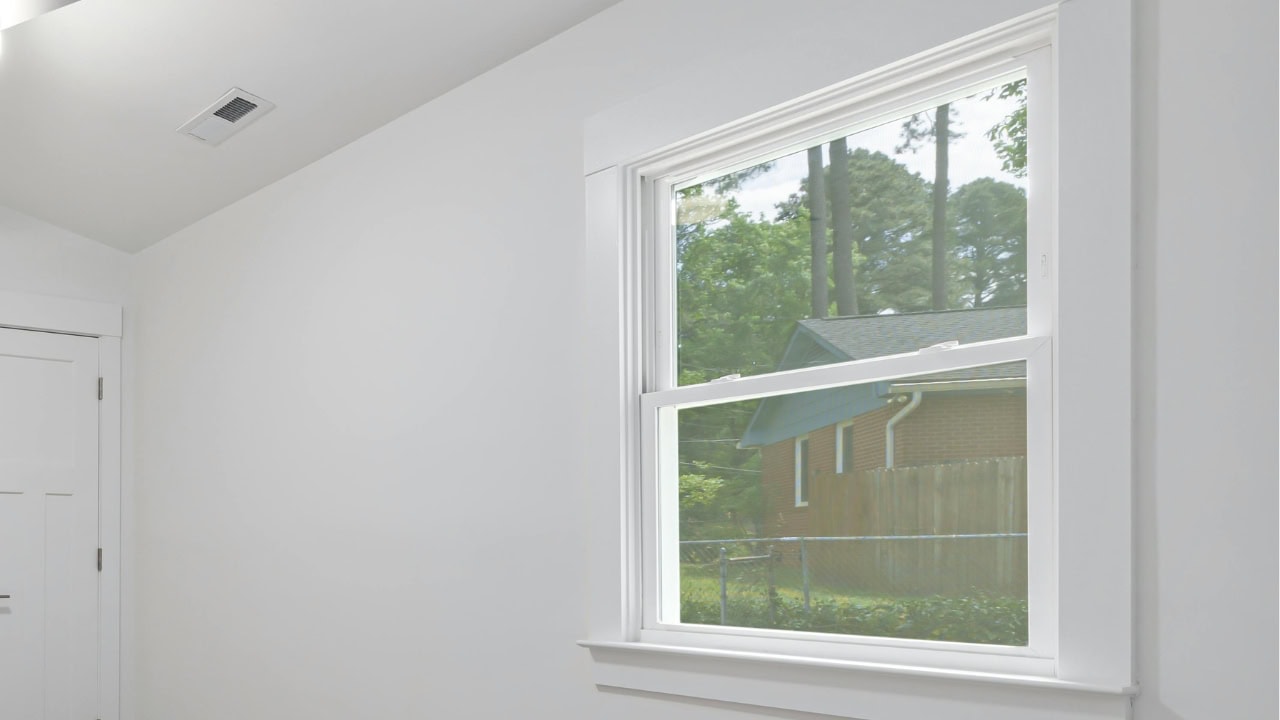
If your home still has single-pane glass, you're fighting a losing battle against temperature swings. These windows leak heat in the winter and invite it in during summer, making your HVAC system work overtime.
Replacing them with double-pane or storm windows is a bigger investment, but it's one of the most effective energy upgrades you can make. If you can't replace them yet, use window film and thermal curtains to create a temporary buffer.
Gaps around baseboards and floors
Over time, baseboards pull away from walls and leave narrow gaps that leak air. It's easy to overlook, but if you've ever noticed cold air near the floor in winter, that's probably why.
A quick bead of caulk along the edges can seal those spaces. It's an inexpensive fix that not only keeps air in but also blocks dust and allergens from creeping up through floorboards or wall gaps.
Older homes will always have quirks, but most energy waste comes down to maintenance and attention to detail. Tackling a few of these fixes will help your house hold temperature better, run more efficiently, and stay comfortable year-round without spiking your bills.
*This article was developed with AI-powered tools and has been carefully reviewed by our editors.






Leave a Reply