
Saving money doesn't have to start with a spreadsheet or a strict budget. For most people, it starts with a mindset change. You can track every expense and still feel like nothing's left over. I used to think I had a spending problem, but what I really had was a thinking problem.
Once I shifted how I viewed saving-focusing on behavior instead of deprivation-everything got easier. You don't need a raise or a financial overhaul to save more. You just need a different lens.
I Started Seeing Savings as a Bill, Not a Bonus
The biggest change was treating savings like a bill I had to pay, not something I'd do "if there's anything left." That mindset made saving non-negotiable, not optional.
Once it became part of my monthly routine-right alongside rent and utilities-it stopped feeling like a sacrifice. The more consistent I got, the less I noticed the money leaving, and the faster my balance grew.
I Focused on Habits, Not Numbers
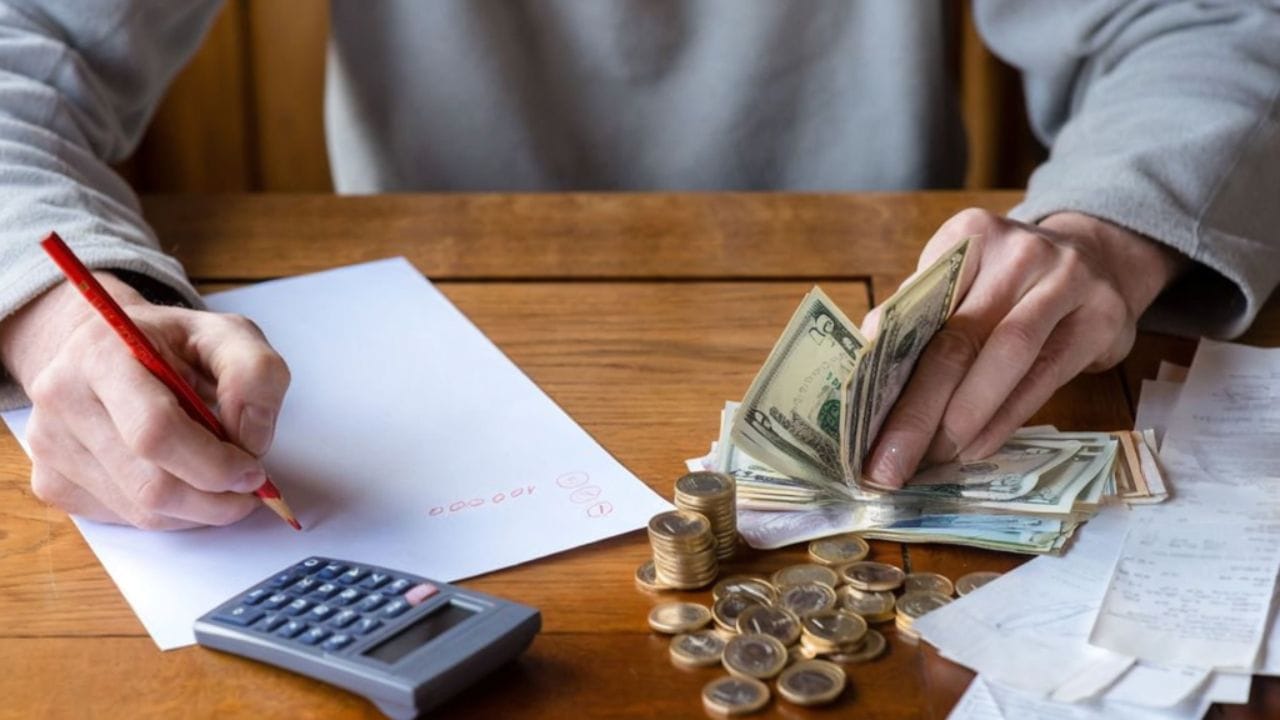
Before, I obsessed over dollar amounts. I'd set big goals and feel discouraged when progress was slow. Switching focus to small, repeatable habits made it sustainable.
Even transferring $10 a week built confidence. Once I stopped chasing perfect numbers and started celebrating progress, saving became less of a chore and more of a routine win.
I Connected Saving to Freedom, Not Restriction
For years, saving felt like punishment-something I "had" to do instead of something I "got" to do. The moment I reframed it as freedom, it clicked.
Savings meant options: the freedom to take a break, say no to bad jobs, or handle surprises without panic. When saving gives you peace instead of guilt, it's suddenly worth the effort.
I Learned to Anticipate, Not React
Before this mindset shift, I was always reacting-moving money around after the damage was done. Now I plan for things before they happen. Birthdays, car repairs, back-to-school costs-they're not surprises anymore.
That proactive thinking made my budget calm instead of chaotic. Saving became part of preparing, not scrambling. It's a small shift, but it changes everything.
I Realized "Small Wins" Compound Fast
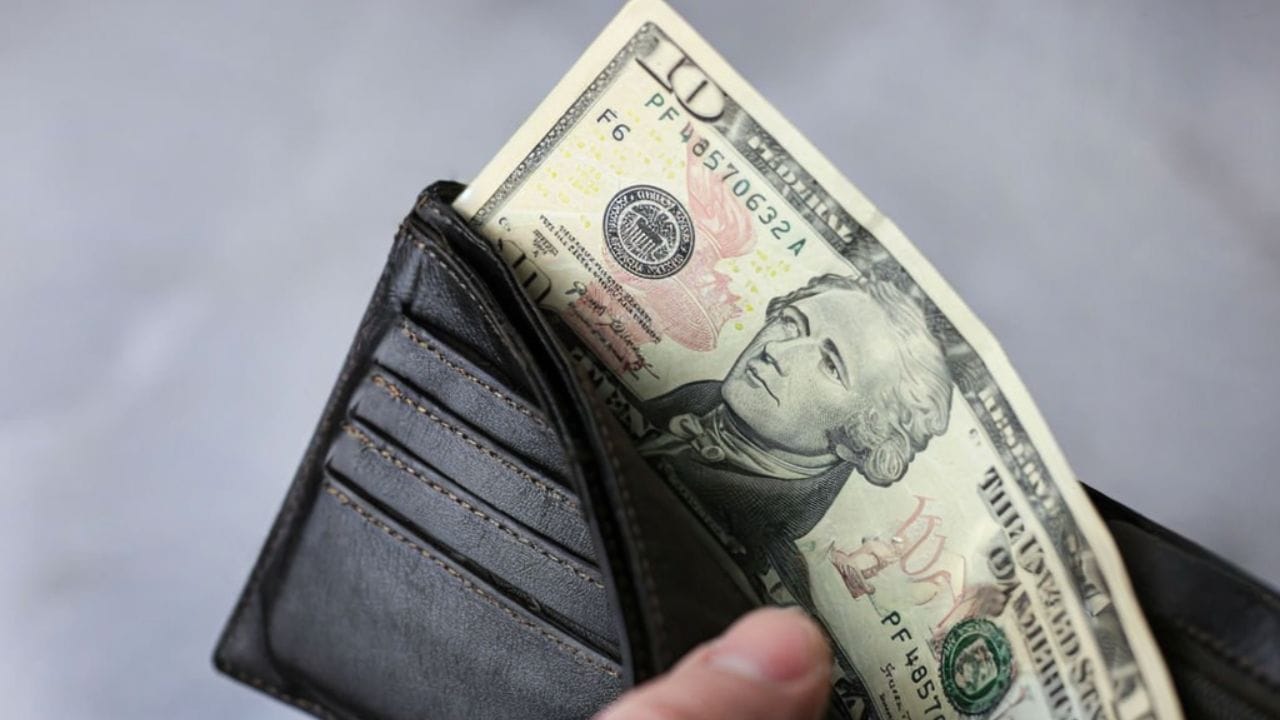
I used to think saving only mattered if it was big. But even $5 here and there adds up over time. Once I saw the compounding effect, I stopped dismissing small efforts.
Those tiny choices-making coffee at home, skipping a delivery fee, transferring leftover cash-snowball faster than you'd expect. Momentum builds quietly, and one day you look up and realize it worked.
*This article was developed with AI-powered tools and has been carefully reviewed by our editors.






Leave a Reply