
Everyone has those brands they swear by-paper towels that "work better," pasta sauce that "tastes right," or laundry detergent they've used since college. But here's the truth: a lot of store-brand items come from the exact same factories as the name brands, often using the same ingredients or materials.
The main difference is the label-and the price tag. Once you start comparing, it's hard to justify paying more for the same thing. Here are the store-brand swaps even die-hard brand loyalists should make.
Over-the-Counter Medicine
Pain relievers, allergy meds, and cold tablets are regulated by the FDA, meaning store brands have to contain the same active ingredients and meet the same standards as name brands.
You're literally paying extra for the logo. If you check the fine print, you'll usually see "compare to" wording that confirms it's identical in dosage and formula. The savings can be 40% or more.
Baking Essentials
Sugar, flour, salt, and baking powder taste and perform the same no matter what's on the package. Most store-brand baking staples even come from the same mills.
If you bake often, this switch alone can save a surprising amount over the year without changing a single recipe.
Canned Goods
Store-brand canned beans, corn, tomatoes, and soups often come from the same suppliers as the big names. The only difference is packaging.
They have the same shelf life, flavor, and nutrition, and most taste tests can't tell them apart. Stocking up on store-brand cans adds up to serious pantry savings.
Dairy Products
Milk, butter, sour cream, and shredded cheese are great store-brand swaps. Many grocery chains partner with local dairies, so freshness is usually identical-or better-than national brands.
The quality difference is minimal, but the cost difference can be huge, especially for families who go through dairy quickly.
Frozen Vegetables
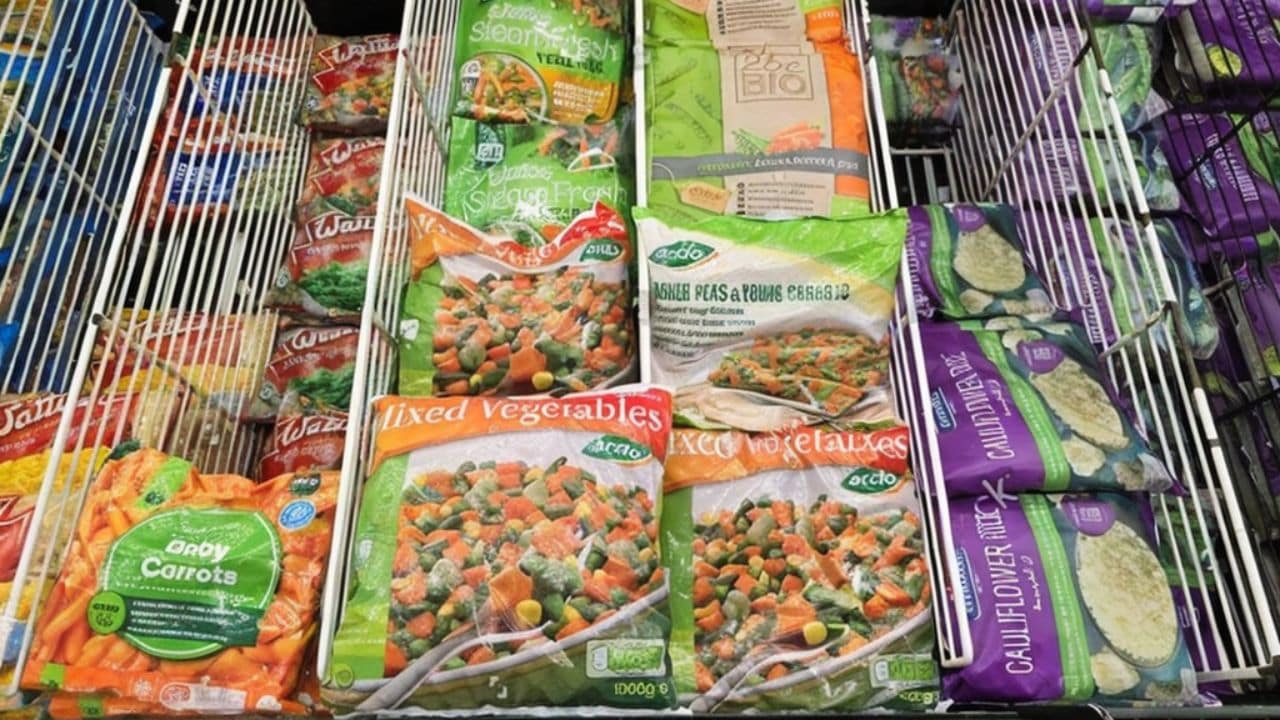
Frozen vegetables are frozen at peak freshness, no matter the brand. Store versions are just as nutritious, and often have fewer additives or sauces.
They're perfect for soups, stir-fries, or side dishes, and the savings per bag can make a real dent in your weekly grocery total.
Spices and Seasonings
You might think name-brand spices are fresher, but most store brands source from the same suppliers. The key is how you store them, not the logo on the lid.
Buying store-brand spices can easily cut your cost per jar in half-and once you pour them into your spice rack, you'll never know the difference.
Cleaning Products
Store-brand cleaners, especially multi-surface sprays, bleach, and dish soap, perform almost identically to the big names. The active cleaning agents are often identical in strength and concentration.
Try one bottle before fully switching, but most shoppers find they clean just as well for much less.
Pantry Staples
Things like rice, pasta, and cooking oil don't need brand loyalty. Store brands use the same grades and standards for most dry goods.
They cook and taste exactly the same, but the per-pound cost difference really adds up when you're cooking multiple meals a week.
Paper Products
Paper towels, napkins, and tissues can be tricky-some store brands feel thinner, but others match premium quality for a fraction of the cost.
If you find one that holds up, stick with it. For everyday cleanup and quick use, the difference in performance doesn't justify the brand-name price.
Snacks and Cereal
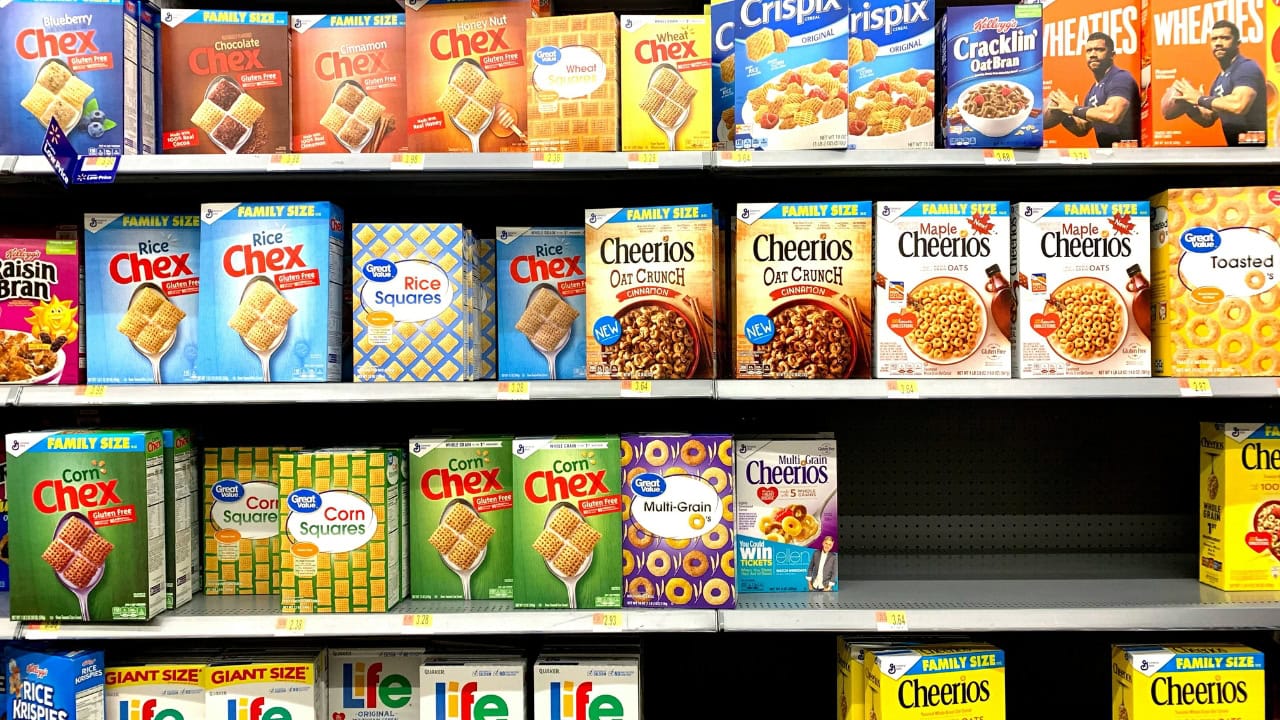
Many store-brand cereals and snacks come from the same companies that produce the big-name ones. The flavors and textures are often indistinguishable.
If you have kids, this switch can save you several dollars per box or bag-without a single breakfast complaint.
*This article was developed with AI-powered tools and has been carefully reviewed by our editors.






Leave a Reply