
If you've tried every "save money" trick and still feel like the grocery total runs the show, here's the move that finally bends the curve: a five-minute weekly reset. It's not a fancy app or a coupon stack. It's opening your fridge, freezer, and pantry, telling yourself the truth about what's in there, and writing three meals that use it before you shop.
It sounds too simple to matter. It's not. That tiny pause keeps you from buying duplicates, wasting produce, and panic-ordering dinner on tired nights. It's the habit that makes all your other habits stick.
Start with the "eat first" sweep
Grab a sticky note and a marker. Pull anything that needs love in the next 72 hours to the front of a single shelf: half a bell pepper, an open broth, three lonely tortillas, the apple your kid swore they'd eat. Do the same in the freezer for partial bags and single portions, then glance at dry goods-pasta, rice, canned tomatoes, beans.
Write it down. Your list is your menu. When dinner is built from what you already have, the cart shrinks by default.
Plan only three dinners

Not seven. Not a month. Three. Pick one "big batch" (sheet pan or slow cooker), one "fast skillet," and one "flex night" that can slide forward if plans change.
Then assign them to real nights based on your week. Heavy Tuesday? That's slow cooker day. Soccer Thursday? Skillet night. Leave the other days for leftovers, breakfast for dinner, or a planned treat. Three wins beat seven fantasies every time.
Shop the holes, not the cravings
Once you've chosen the three meals, make the shortest possible list to complete them. If a recipe calls for something fussy you don't own, substitute or skip. If you need a specialty item that will die after one spoonful, pick a different recipe.
Your goal is to turn what you have into dinners you'll actually cook. The store should fill gaps, not start a new story.
Prep one friction point, not a Sunday marathon
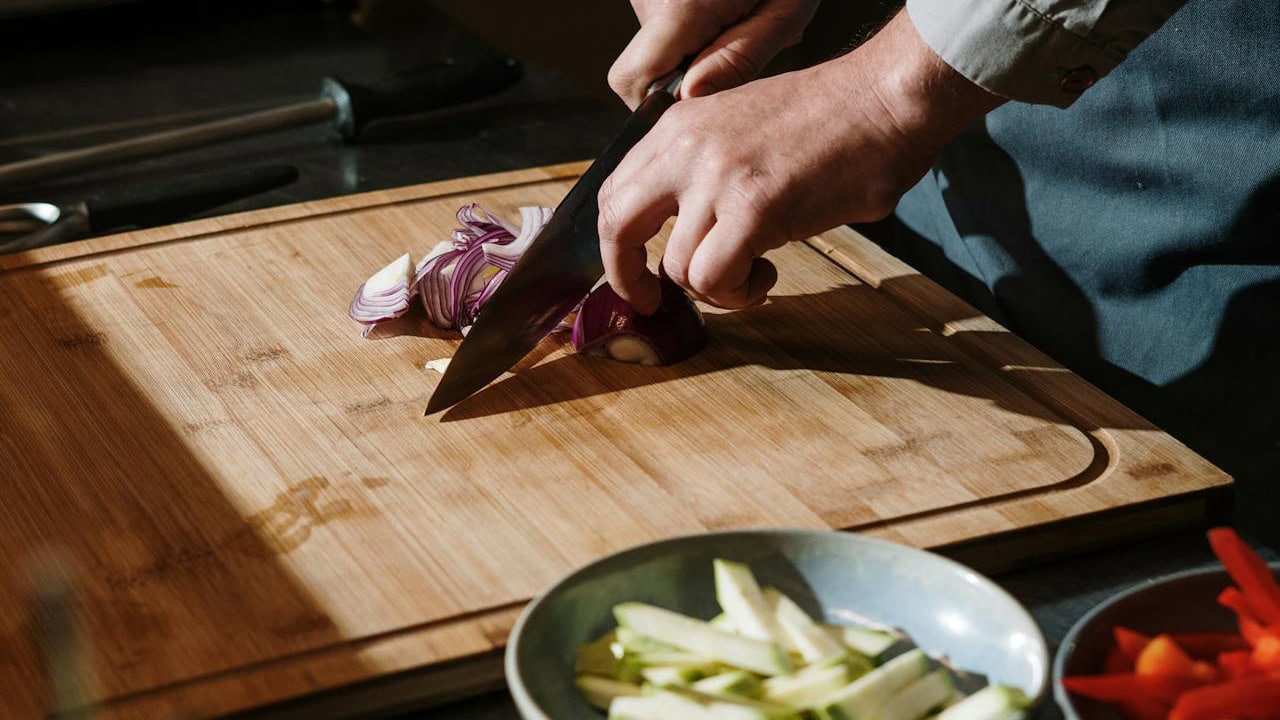
You don't need a two-hour session. You need one tiny thing that removes an excuse. Chop the onion and pepper. Cook a pot of rice. Portion chicken into zipper bags with a splash of dressing so it's ready to roast. Five minutes of hands-on time tonight protects you from a $60 takeout bill tomorrow.
If you're not a prep person, fine-at least put the ingredients for tomorrow's dinner on one fridge shelf. Grouping them makes you less likely to punt.
Close the loop with a small container habit
Leftovers in see-through, same-size tubs become lunch you'll actually eat. Leftovers in random stained containers become science experiments. Keep masking tape and a marker in the drawer and label date + what it is. Boring? Yes. Cheap? Also yes.
When your kitchen tells the truth at a glance, you stop buying "just in case." That's where the hundreds hide.
*This article was developed with AI-powered tools and has been carefully reviewed by our editors.






Leave a Reply