
If you feel like cleaning takes more energy than it should, you're not imagining it. Most people think cleaning is about time or motivation, but it's really about systems-or the lack of them. When your home isn't set up to support how you actually live, cleaning turns into a never-ending cycle that wears you down.
The goal isn't to spend more hours scrubbing; it's to make your space work with you instead of against you. Here's why it feels so overwhelming and what's really going on behind it.
You have too much stuff
It's nearly impossible to keep a home clean when every surface and drawer is packed. The more things you own, the more things you have to manage, wipe down, move, or dust. Clutter multiplies your cleaning workload without you realizing it.
Decluttering doesn't have to mean minimalism-it means owning what you actually use. Fewer items make it faster to clean and easier to stay organized because there's less to move around or trip over when you're trying to tidy up.
You're cleaning without a system
Randomly picking what to clean each day wastes mental energy. You spend more time deciding what needs attention than actually cleaning it. Without a plan, you end up chasing messes instead of preventing them.
Creating a rotation or small daily habits makes cleaning feel lighter. A quick routine-like wiping counters before bed or doing one load of laundry a day-keeps everything manageable without that "everything's dirty" panic.
Your storage doesn't fit how you live
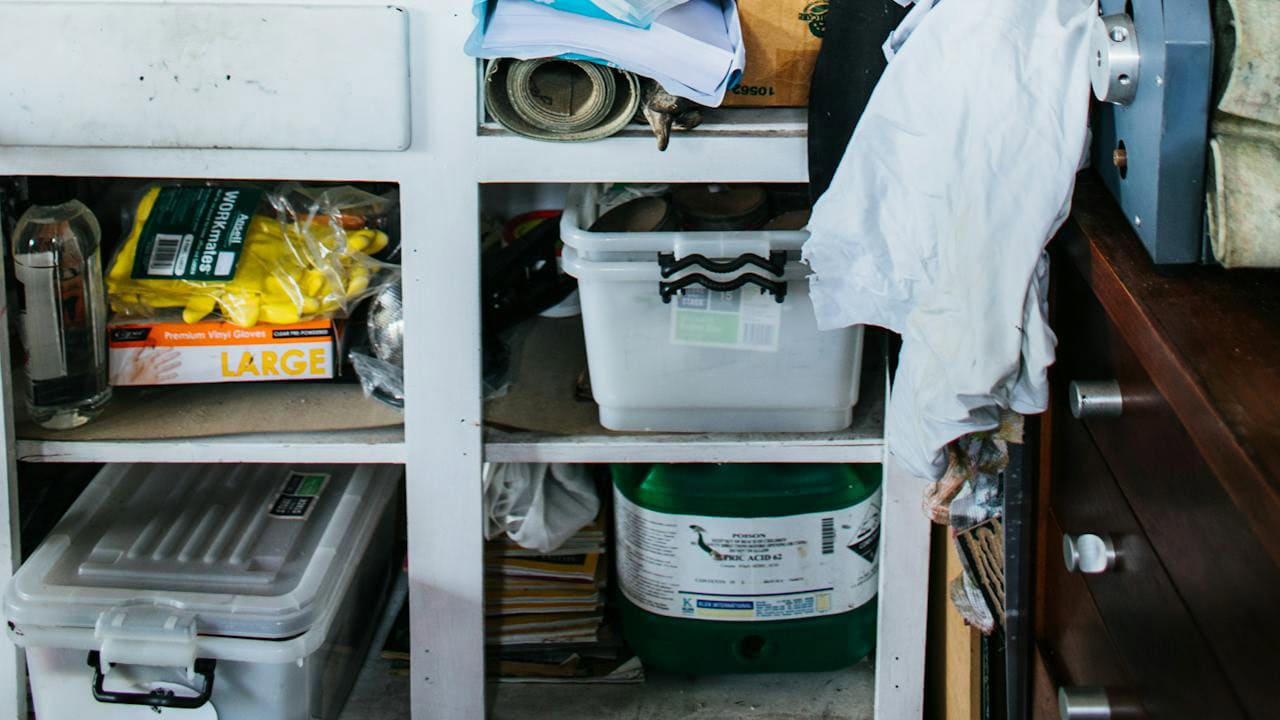
When storage doesn't make sense, things pile up. If your everyday items are stored out of reach or behind closed doors, they'll never stay put for long. You'll constantly be moving the same mess instead of solving it.
Rework your storage so it matches how you use your space. Keep frequently used items where you actually grab them-cleaning supplies under the bathroom sink, kids' shoes by the door, pet items near the back entry.
You're doing everything yourself
Trying to carry the whole load alone is exhausting. When you're the only one noticing what needs to be done, you start to resent the process instead of feeling satisfied when it's finished.
Share the work. Even young kids can handle age-appropriate chores, and partners should know how to maintain the spaces they use. It's not about perfection-it's about creating shared responsibility so cleaning doesn't drain you completely.
You're working against your space
Some layouts or furniture setups make cleaning harder than it has to be. Too many small decor pieces, hard-to-move furniture, or heavy rugs can make even basic upkeep frustrating.
Simplify where you can. Choose surfaces and furniture that are easy to wipe down and move. The fewer obstacles you have to work around, the faster cleaning goes-and the more likely you are to keep up with it.
You wait until it's overwhelming
When mess builds up, the mental weight grows right alongside it. Tackling a week's worth of clutter or grime feels monumental, so you avoid it until it's even worse.
Small, frequent cleanups are far easier on your energy. Ten minutes a day of light tidying beats a full-day deep clean every weekend. You'll feel more in control and less mentally drained.
You're trying to clean while you're stressed
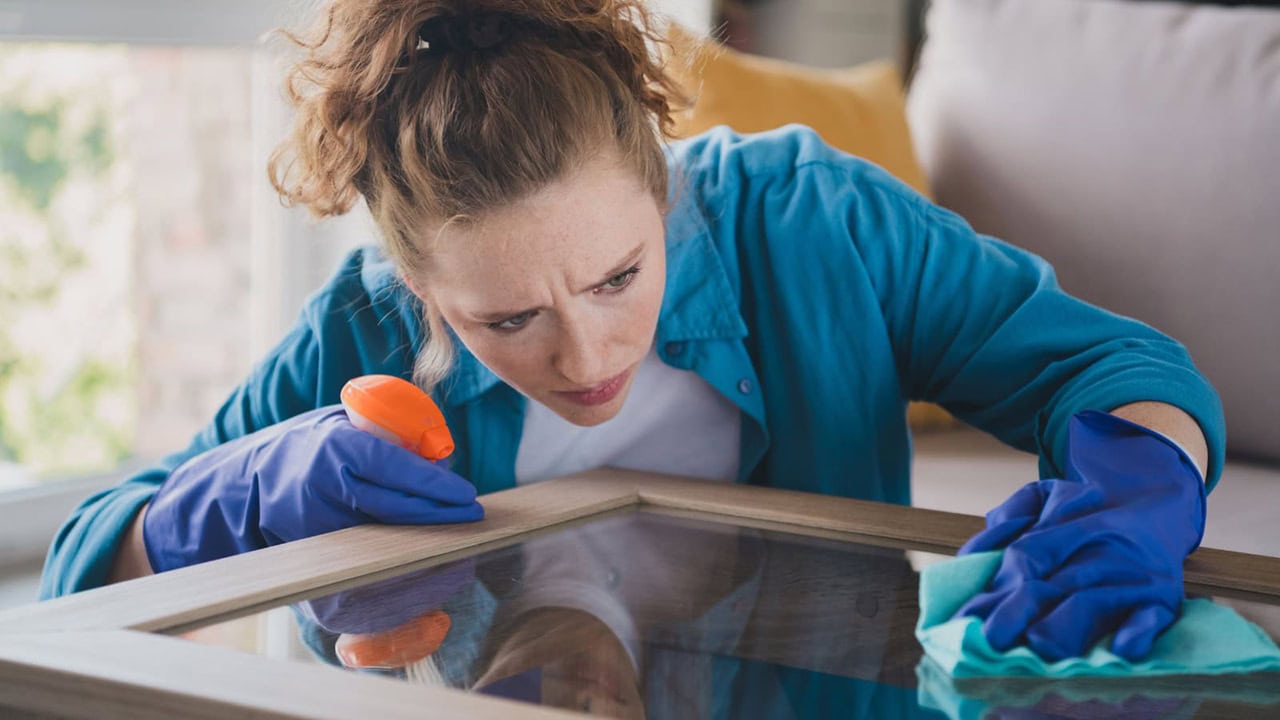
Cleaning when your mind is already overloaded makes everything feel heavier. You can't focus, you get distracted, and the whole thing feels like punishment.
Tackle small wins first. Clearing one countertop or emptying a single laundry basket resets your momentum. Once your space starts to look calmer, your brain follows.
You expect it to stay clean
Houses get messy. That's normal. When you expect your home to stay spotless 24/7, you're setting yourself up for constant disappointment.
A lived-in house will always have some clutter and dust. Focus on function and comfort instead of chasing perfection. When you drop the pressure, cleaning becomes easier to maintain-and a lot less emotionally draining.
*This article was developed with AI-powered tools and has been carefully reviewed by our editors.






Leave a Reply