
Bargain gifts feel responsible in the moment. Over time, they can be expensive in ways that don't show up on a receipt: clutter that needs storage, replacements the recipient buys later, and a reputation for gifts people don't use. If your goal is to save money and relationships, there's a smarter way to give on a budget.
Here's what cheap-on-paper really costs-and how to fix it without overspending.
Clutter forces people to spend more
Low-quality gadgets, novelty mugs, and random décor take space and hide the items people actually use. That drives duplicate purchases and organizing buys to control the mess. The fix is consumables and upgrades: coffee, nice salt, good soap, socks, kitchen towels, batteries, gift cards to a store they already visit. These get used, not stored.
Pair every consumable with a short note on how you use it. Thoughtful beats themed.
Replacements reveal the real price
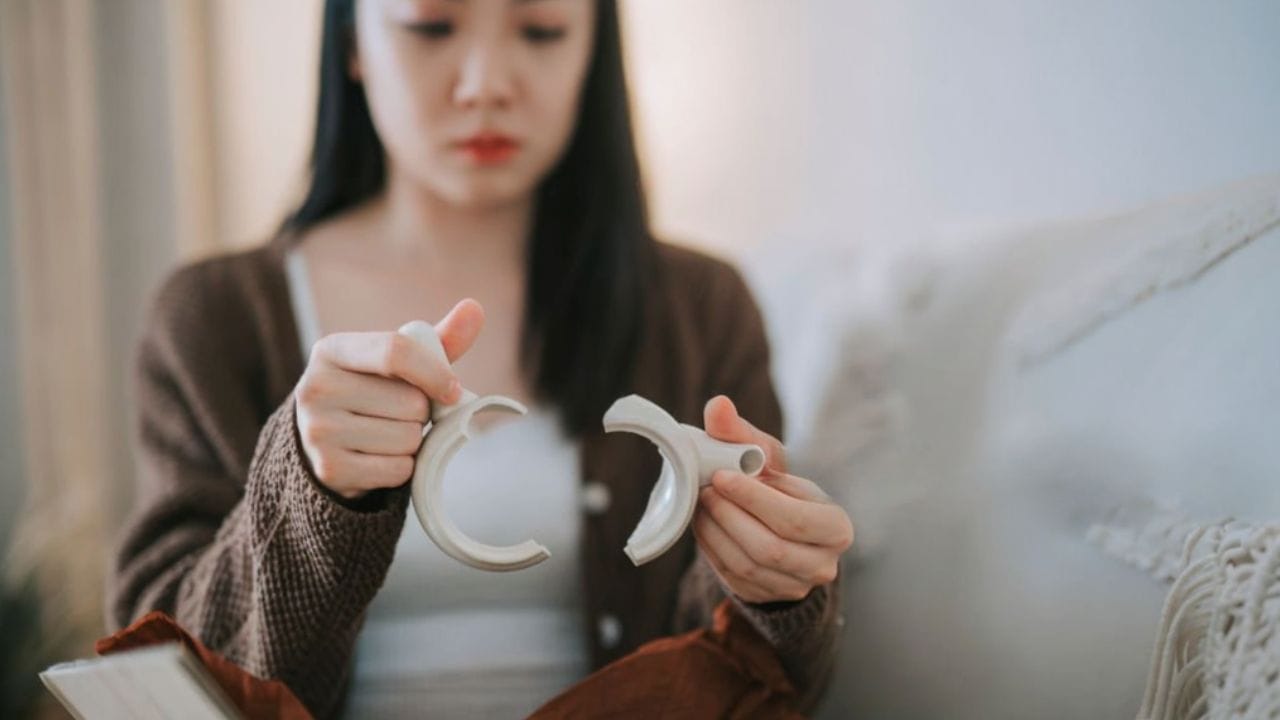
If a budget tool breaks or a sweater pills after two wears, the recipient buys the better version later. You didn't save money-you delayed a necessary purchase and shifted the cost to them. Choose one small, durable thing over three flimsy ones. A solid spatula beats a basket of gadgets every time.
Look for warranties and brand track records. Durability is a thrift strategy.
Relationships notice patterns
People won't say it, but they remember who gives items that add friction. On the flip side, they remember the friend whose gifts always get used. Your budget can stay the same and your reputation can change. Keep a running note by name with one preference-coffee style, color palette, hobby-and shop inside that lane.
A $10 gift that fits a life is more generous than a $30 gift that adds work.
Shipping junk is the most expensive cheap
Sending a box of filler items costs postage plus the hidden cost of someone else's clutter. If you must ship, send flat items: books, calendars, gift cards, tea, spices. Or ship direct from a store with a gift receipt. Better yet, agree as a family to send photos, letters, or experiences and bring physical gifts only when you see each other.
A single shared photo book beats ten trinkets on a doorstep.
A better cheap gift system that actually saves money
Set a price cap and a category per person. Build an evergreen gift bin in October with consumables you find on real sale. Keep one "quality upgrade" slot per recipient-a better whisk, nicer socks, a packable tote-and buy it early. Use gift receipts and a note that invites exchange. You'll give less, waste less, and spend less to feel good.
Track wins in January. If something got used up or worn out in a good way, put it back on next year's list.
How to pivot without sounding judgey

Tell your people you're changing your approach to reduce waste and buy things they actually want. Offer two or three ideas in their price tier and ask for the same back. Bring the tone down and the usefulness up. Most families are ready for that shift; they're tired of drawers full of "almost."
Cheap gifts aren't the problem. Thoughtless ones are. Keep the budget and raise the bar on usefulness, and your December will cost less while your gifts do more good.
*This article was developed with AI-powered tools and has been carefully reviewed by our editors.






Leave a Reply