
I'm seeing a shift that feels familiar-in a good way. People aren't trying to "hack" their way out of higher prices anymore. They're building smaller, sturdier routines that don't break when the store is out of their favorite brand or when the electric bill spikes. The trend has a lot of names, but it boils down to this: seasonal, small, and steady.
Seasonal menus instead of complicated plans
Families are ditching massive meal plans and sticking to five base dinners that flex with price and produce. Think soup-night, sheet-pan night, beans-and-rice night, eggs-for-dinner night, and one "roast it and rework it" protein. It sounds boring until you realize how many decisions it takes off your plate. Fewer decisions mean fewer impulse buys and fewer wasted ingredients.
Winter makes this easier. Root vegetables, cabbage, frozen broccoli, and pantry starches hold up, travel well, and turn into real meals without special tools. When your baseline is cozy and practical, you stop paying for convenience because dinner already has a plan.
Rewear, repair, and swap

There's also less embarrassment around wearing what you own and fixing the thing that broke. People are hemming jeans, reglueing boot soles, and trading kids' winter coats with friends. It's not about deprivation-it's about buying fewer items that actually last and saying no to the fast-fashion churn that eats a budget ten dollars at a time.
If you don't sew, a neighborhood alterations shop can stretch a wardrobe for the cost of one new sweater. And "swap nights" with neighbors for coats, snow pants, and boots save an entire season's spend for growing kids.
Heat the person, not the box
Utility bills are pushing people toward older wisdom: you don't have to heat every cubic foot to feel comfortable. Programmable thermostats, space heaters used safely in occupied rooms, and closed doors on little-used spaces stretch dollars without turning the house into a freezer.
Cozy is also practical: slippers by the chair, throws in a basket, draft stoppers at doors. A humane house uses less energy because people aren't chasing comfort with the thermostat every hour.
Small stockpiles, not prepper pantries
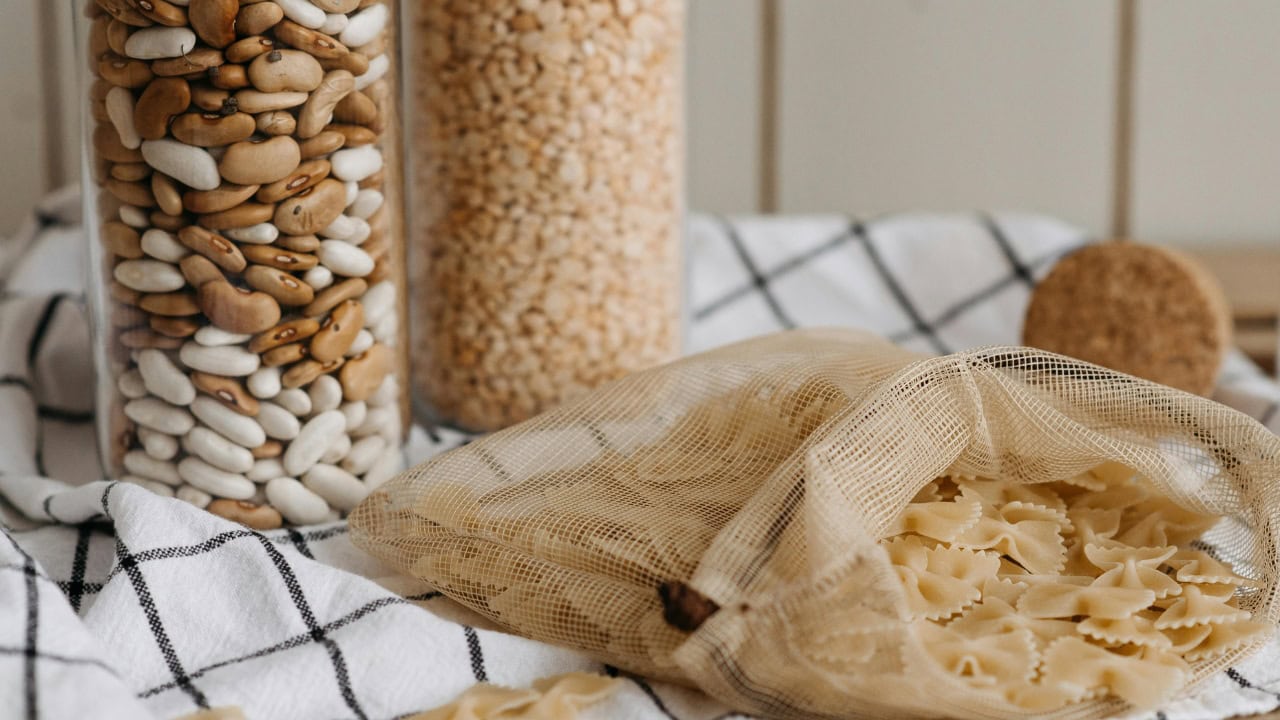
The comeback frugal move I love most is the "quiet shelf." It's one shelf with a month of the five pantry items your family winds through-broth, canned tomatoes, beans, pasta, rice-and one backup of the cleaners and toiletries you refuse to run out of. No 50-pound flour bucket if you don't bake. No four brands of the same spray. Just the basics that keep you from paying convenience prices when life gets busy.
It's control without clutter. And that, more than anything, makes a winter budget hold.
Entertainment that's actually restorative
People are picking routines that feel free and don't tempt them into spending-library holds, neighborhood lights walks, potluck game nights, church or community events with coffee afterward. The time still feels special, and no one wakes up to a $60 "we were tired" tab.
The throughline here is sanity. Winter invites slower habits. Leaning into that isn't a downgrade. It's how you keep money in the bank and peace in the house.
*This article was developed with AI-powered tools and has been carefully reviewed by our editors.






Leave a Reply