
You can live frugally and still waste money. A lot of people think being "cheap" automatically means being smart with cash, but that's not always the case. Sometimes the habits you think are saving you end up costing you more in the long run-whether it's because they wear out faster, waste your time, or lead to extra spending later. True frugality isn't about spending the least amount possible-it's about spending wisely. Here are some habits that quietly drain your wallet while you're trying to save it.
Buying the Cheapest Version of Everything
Grabbing the lowest price tag feels like a win-until it breaks, wears out, or disappoints you enough to replace it. That's when the "cheap" option turns expensive.
When you buy low-quality stuff repeatedly, you spend more than if you'd bought a reliable version once. Being frugal means knowing where durability pays off, not chasing the lowest number every time.
Skipping Maintenance to "Save" Money
Putting off oil changes, tire rotations, or small home repairs can seem like smart saving in the moment. But the cost multiplies when those ignored issues turn into big fixes.
Regular maintenance is preventative spending-it protects the stuff you've already paid for. You're not wasting money by maintaining things; you're avoiding bigger bills later.
Wasting Time Chasing Every Deal
You can't put a price on your time. Spending hours driving across town for a $2 discount or scrolling for endless coupon codes might not be worth the effort.
Frugality works best when it saves both time and money. Sometimes paying a tiny bit more frees you up to use your time in ways that actually improve your life-or even earn more.
Stocking Up on Sales You Don't Need
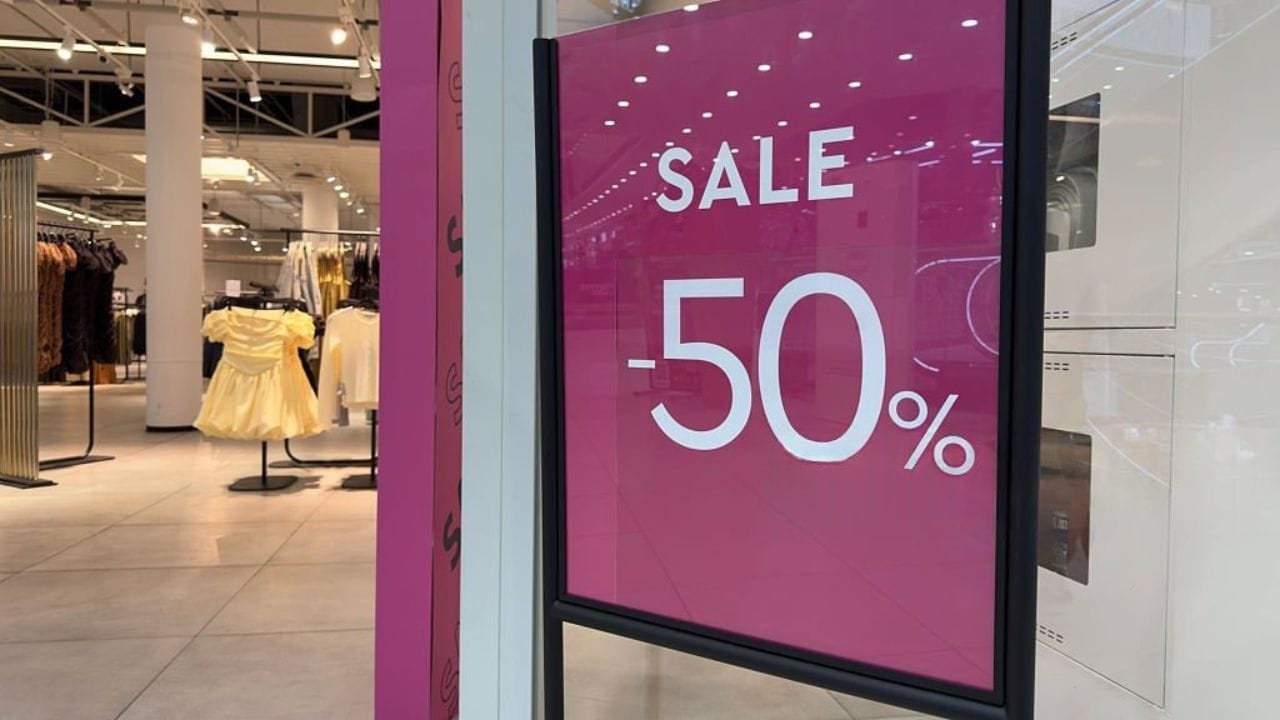
Buying in bulk or snagging a "buy one, get one" deal feels smart, but not if you'll never use what you bought. Food, toiletries, and clothes that sit unused are money frozen on your shelves.
Being frugal isn't about hoarding-it's about buying what you'll actually use. A deal isn't a deal if it creates waste or clutter.
Ignoring Quality Food
Cheap food isn't always affordable food. Filling your cart with instant noodles or $1 frozen dinners can catch up to you in health costs and burnout.
Spending a little more on ingredients that keep you full, energized, and healthy often saves you long-term. You eat less junk, skip fewer meals, and waste less food.
Driving an Inefficient Vehicle
Holding onto an old gas guzzler might feel thrifty, but high fuel and repair costs can quietly drain hundreds a year. Sometimes upgrading to something more efficient is the smarter play.
Do the math-if your "paid-off" car is eating your savings in maintenance, it might be time to reconsider. True frugality looks at the full cost, not just the lack of a monthly payment.
Skipping Insurance or Emergency Funds
Skipping coverage or saving "later" might look like a budget win, but one surprise bill can wipe out months-or years-of progress. Frugal people plan for bad days before they happen.
You don't need fancy policies, but you do need protection. Having a safety net keeps one flat tire or broken appliance from turning into a financial setback.
Buying in Small Quantities
If you're constantly running out of basics-like detergent, toilet paper, or coffee-you're paying more per unit every single time. Buying smart-sized quantities saves money and stress.
You don't need to hoard, but planning ahead for essentials means fewer expensive "emergency" trips to the store when prices aren't in your favor.
Holding Onto Things That Don't Work

You might keep using a clunky vacuum, a dull knife, or a slow phone because you "don't want to waste money." But when those things cost you time, frustration, or extra effort, they're quietly expensive.
Sometimes replacing or upgrading a tool you use daily makes financial sense. You'll spend less time fixing problems and more time doing things that actually matter.
*This article was developed with AI-powered tools and has been carefully reviewed by our editors.






Leave a Reply