
If your grocery total feels stubborn even when you shop sales, there's a good chance the leak isn't the big stuff-it's the everyday items that sneak into the cart without a second thought. They're convenient, they look small, and they repeat every single week. Tighten a few of these and your bill drops without gutting your menu.
Single-use "helpers" add up fast
Parchment sheets, pre-cut foil, and individually wrapped sponges make cleanup easy, but you're paying for packaging and portioning. You don't have to ditch convenience completely. Buy the roll, not the pop-up box. Swap paper towels for a stack of washable microfiber cloths and a squeegee by the sink. Keep one roll of premium towels for grease and pet messes, and use cloth for everything else. The first week feels like a change; the second week feels normal-and your cart is lighter.
Pre-trimmed and "recipe ready" foods
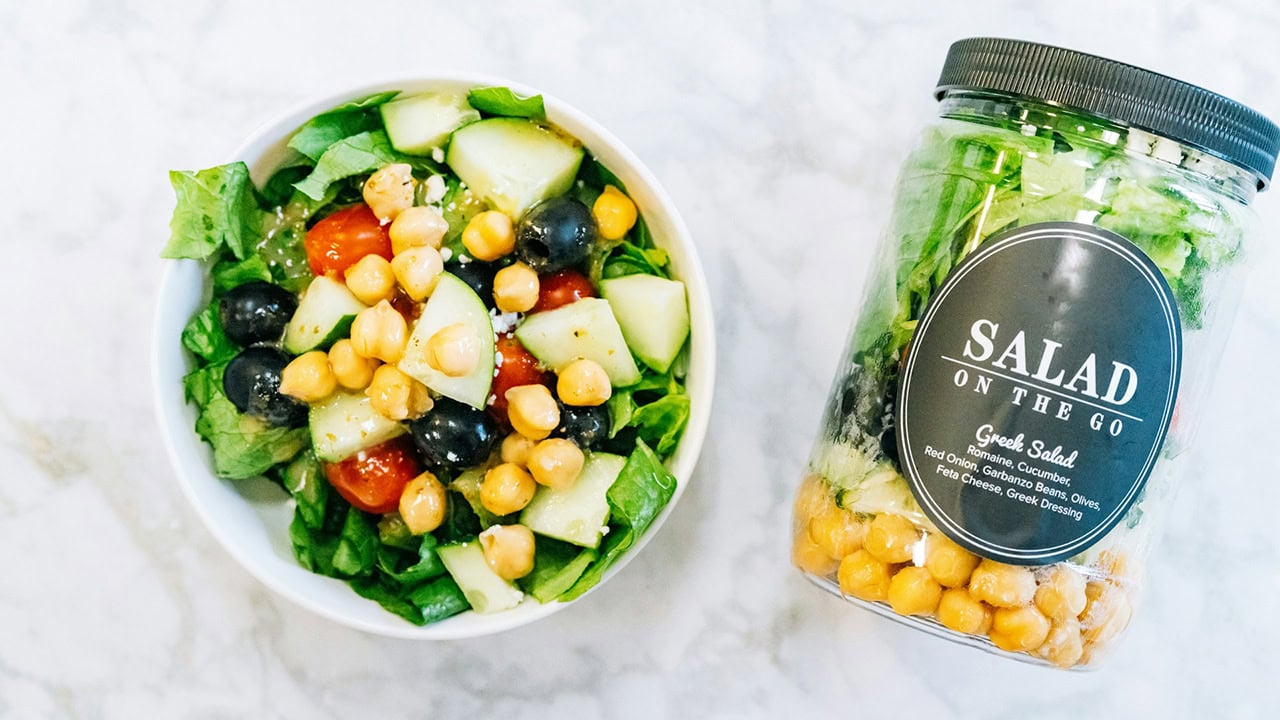
Diced onion, shredded cheese, chopped salad kits, pre-sliced fruit-these save minutes and spend dollars. Use them when life is on fire; don't let them be your baseline. A small low-effort reset shifts the math: shred two blocks of cheese in five minutes and freeze in flat bags. Dice a big onion and a bell pepper on Sunday and stash in clear containers. Buy whole carrots and keep a peeler in the same drawer as the cutting board. You'll reach for what's easy to see.
Small bottles with big price tags
Condiments, cooking sprays, dish soap, and cleaning solutions shrink quietly over time. That "cheap" bottle can cost more per ounce than a larger size at a better unit price. Keep a tiny note in your phone with floor prices per ounce for your top ten staples (oil, vinegar, soy sauce, mustard, dish soap, spray cleaner, vanilla, broth base, mayo, ketchup). When a sale beats your number, buy one big and refill the small counter bottle you like to use. You're not hoarding; you're avoiding the "oops, we're out" run that costs double.
The snack and drink creep
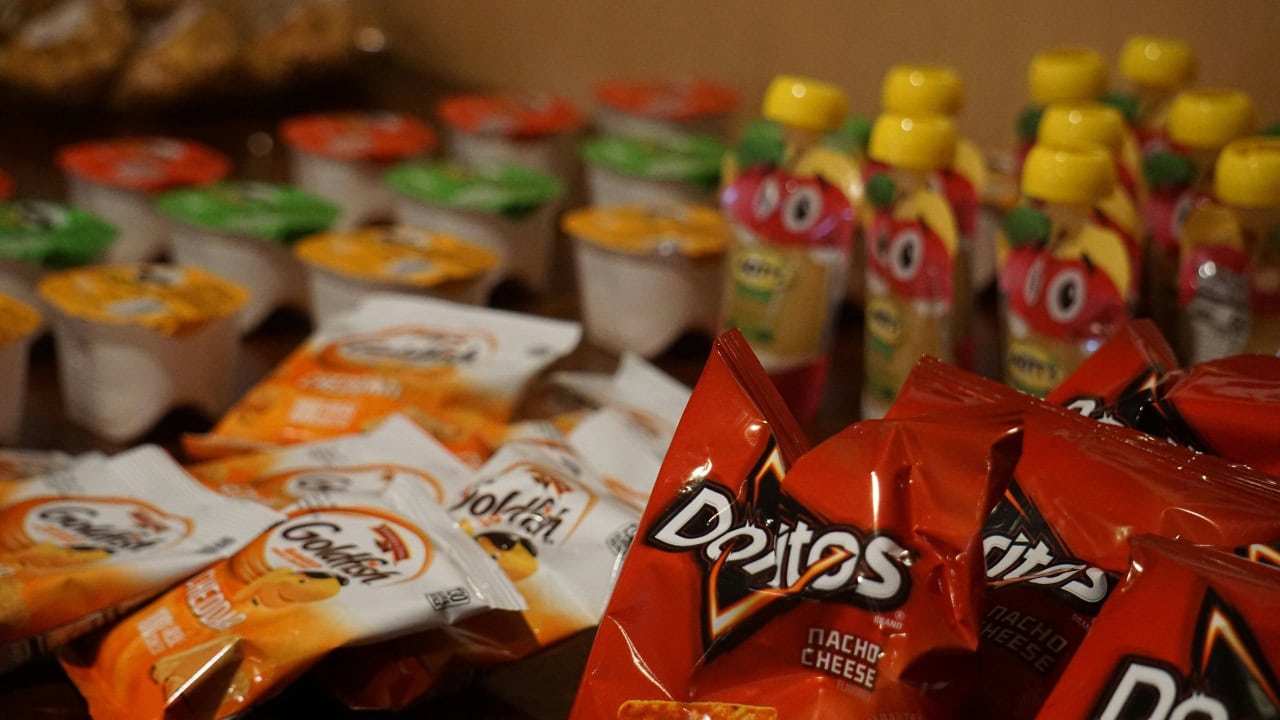
Single-serve drinks and snack packs are where totals explode quietly. Make one "house drink" a week (iced tea, lemonade, or fruit-in-water) and keep it in a clear dispenser that lives at eye level. For snacks, buy the family bag and portion once into reusable containers. If you love a fun drink, cap it at one per person for movie night so it stays special instead of becoming a habit that eats grocery money.
Disposables that replace storage
Plastic wrap keeps winning when containers lose. If your lids are a jumble, you'll reach for wrap forever. Do a ten-minute container audit: match lids, recycle the orphans, and commit to one or two sizes that nest. Add masking tape and a marker in the drawer so labeling takes two seconds. When leftovers stay visible and sealed, you eat them-and stop buying a second round of ingredients you already cooked.
"Just in case" ingredients
We all have shelf squatters-fancy sauces, odd noodles, pricey spice blends-that seemed useful in the moment and now guard the back corner. Give yourself a rule: one new ingredient per week and it must be used in two meals or it doesn't come home. Build a simple base pantry you actually rotate (broth, crushed tomatoes, beans, rice, pasta, flour, sugar, salt, oil), then let special items visit instead of move in.
Small changes in how you stock the everyday items free up real money without making dinner feel like a punishment. Better storage, better unit prices, and fewer single-use habits-that's where the savings hide.
*This article was developed with AI-powered tools and has been carefully reviewed by our editors.






Leave a Reply