
Prices are higher. We all feel it. But the quiet wrecking ball for a lot of fixed-income households isn't the sticker-it's irregular expenses hitting a monthly budget that was built like a wish. The good news is that this is fixable with a few boring moves that pay like a raise.
Budgets fail because the month lies
Most people write a clean grid of categories and hope the month behaves. Then the car inspection hits, the grandkid's birthday pops up, the prescription changes price, and the plan collapses. That's not failure; that's missing buckets.
Make three sinking funds, even if they start at ten dollars each: house, car, gifts. Auto-transfer on deposit day so the money moves before you can "mean to" move it later. When the oil change or the birthday comes due, you pull from a jar instead of stealing from groceries.
Timing beats trimming

Cutting coffee won't fix a draft that lands four days before your deposit. Call your utilities, phone carrier, and insurance, and move due dates into the five-day window after your check arrives. Batch what you can. One hour of phone calls can save you more in overdraft fees and panic runs than a month of "being good."
If a company won't shift a date, schedule your own mini-payday. Move a small amount from savings to checking the day before the draft, then move it back on deposit day. It's training wheels for cash flow.
Subscriptions aren't small when they stack
Fixed incomes leak through "only $6.99." Rotate streaming services monthly and cap at one ad-free plan, two max. Audit any program that promised discounts and then snuck in a fee. If a membership doesn't save you money twice in 30 days, cancel and revisit later. You're not saying no forever-you're saying yes on purpose.
Store cards and pay-in-four plans live in this category emotionally. They feel small; they draft like clockwork. If a plan would collide with your deposit schedule, skip it.
Food routines matter more than coupons
Food is your largest adjustable line, and it responds best to rhythm. Choose five base dinners that flex with sales and repeat them. Write three for the week based on what's already in your kitchen, then shop the holes. Keep a tiny "eat first" shelf so you stop buying duplicates and wasting produce.
If you need a number, pick a weekly grocery cap that fits your month and put that cash-or a debit card loaded with that amount-in a separate envelope or app wallet. When it's gone, the week says stop.
Pay for friction to go away
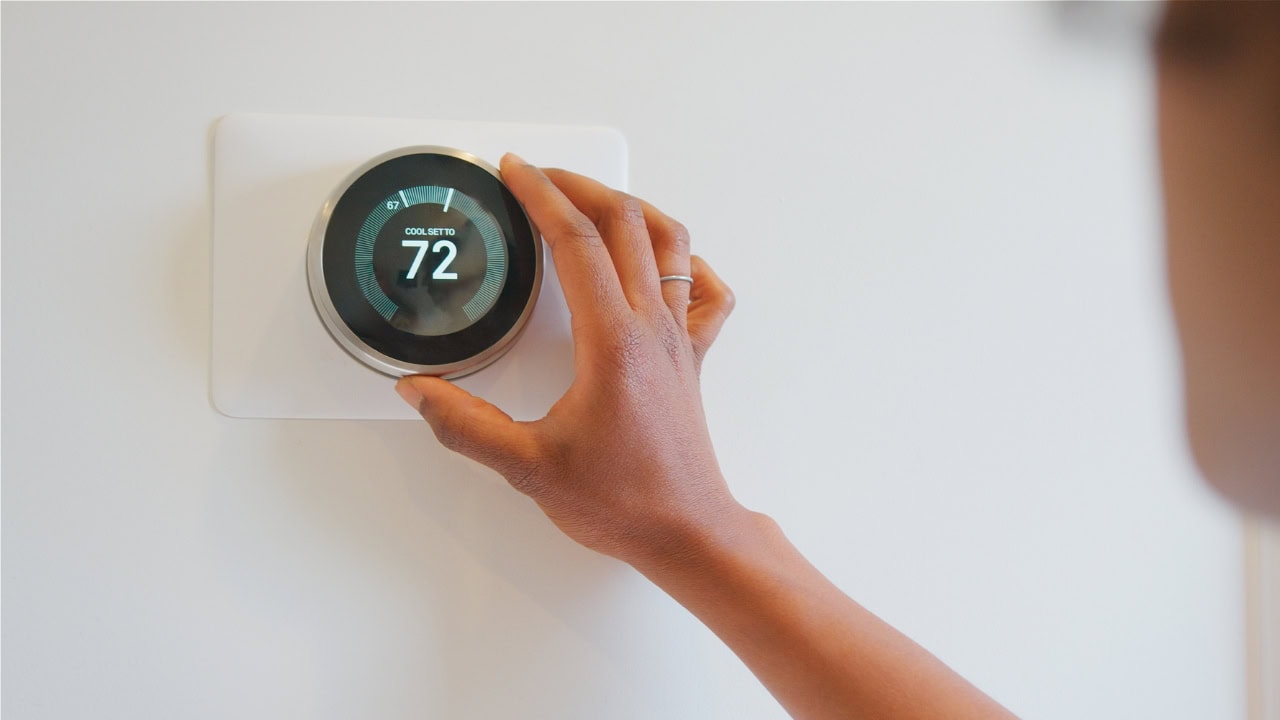
This sounds backwards, but it saves money: spend a bit to remove the three frictions that keep tripping you. A space heater in the room you actually sit in so you can drop the thermostat two degrees. A sturdy laundry basket on wheels so you don't put off washing and end up at a laundromat. A pill organizer so you don't pay rush pricing for missed meds. Small spends that keep the month smooth are how you protect the rest of the plan.
Score the plan by calm, not by guilt
At the end of each week ask three questions: did bills draft without drama, did food stay mostly in the house, and did we avoid surprise fees? That's a win. Tweak the friction points and leave the rest alone. Inflation is loud; clarity is louder when you give it a system.
Fixed income doesn't mean fragile. It means your money has to move on purpose. Get the timing right, give the irregular stuff a jar, and you'll feel the difference within one cycle.
*This article was developed with AI-powered tools and has been carefully reviewed by our editors.






Leave a Reply