
Some weeks the number is the number. If you've got $25, you need meals that land, not advice about "planning better." Here's how I make a bare-bones budget feed real people without living on noodles. It's not forever; it's a bridge that gives you breathing room for a week or two.
Shop the base, then add protein and produce
Start with the cheapest, most flexible staples: rice, dried or canned beans, pasta, eggs, oats, a loaf of bread, peanut butter, and canned tomatoes. That gives you breakfasts, lunches, and a base for dinners. With what's left, add the best protein per dollar that week (usually bone-in chicken thighs or drumsticks, a dozen more eggs, or a pound of dried beans) and hardy produce (carrots, onions, cabbage, potatoes, bananas).
If you can swing one more item, grab a small block of cheese or a tub of yogurt. They stretch everything.
Make one big pot and two quick repeats
Dinner rhythm matters more than recipes. Night one: a big pot-beans and rice with canned tomatoes and onions, or chicken and potatoes roasted together. Night two: a skillet repeat-pasta with garlic, tomato, and a little cheese. Night three: breakfast for dinner-eggs, toast, and roasted potatoes or a cabbage hash. Rotate those three patterns through the week with small tweaks.
Lunch becomes leftovers or bean-and-cheese quesadillas. Breakfast is oats with banana or eggs and toast. Simple is stable.
Use cabbage like a secret weapon

Shredded into a quick slaw with a splash of vinegar and a pinch of sugar, it tops bowls and tacos. Sautéed with onion, it becomes a side for eggs or roasted chicken. It lasts all week, is cheap year-round, and makes a plate feel complete so you don't miss pricier greens.
Season with what you own, not what you wish you owned
Salt, pepper, garlic powder, chili powder, and a splash of vinegar carry almost anything. If you've got bouillon or broth base, even better. Save the fancy sauce for a better week. You'll be surprised how far basics go when the food is warm and the portions are generous.
Build a $25 sample list
Prices swing by region, but a realistic cart looks like this: rice (2 lb), dried beans (1 lb) or two cans, pasta (1 lb), canned tomatoes (28 oz), eggs (dozen), oats (18 oz), bread (store brand), peanut butter (small jar), onions (2-3), carrots (1 lb), cabbage (1 head), bananas (6). If there's room, chicken thighs (family pack, freeze what you don't cook day one) or a small block of cheese.
It's not glamorous. It's calm, filling food that buys you a week to reset. When next payday hits, add oil, spices, and freezer veggies to widen your options.
Make the kitchen do the work
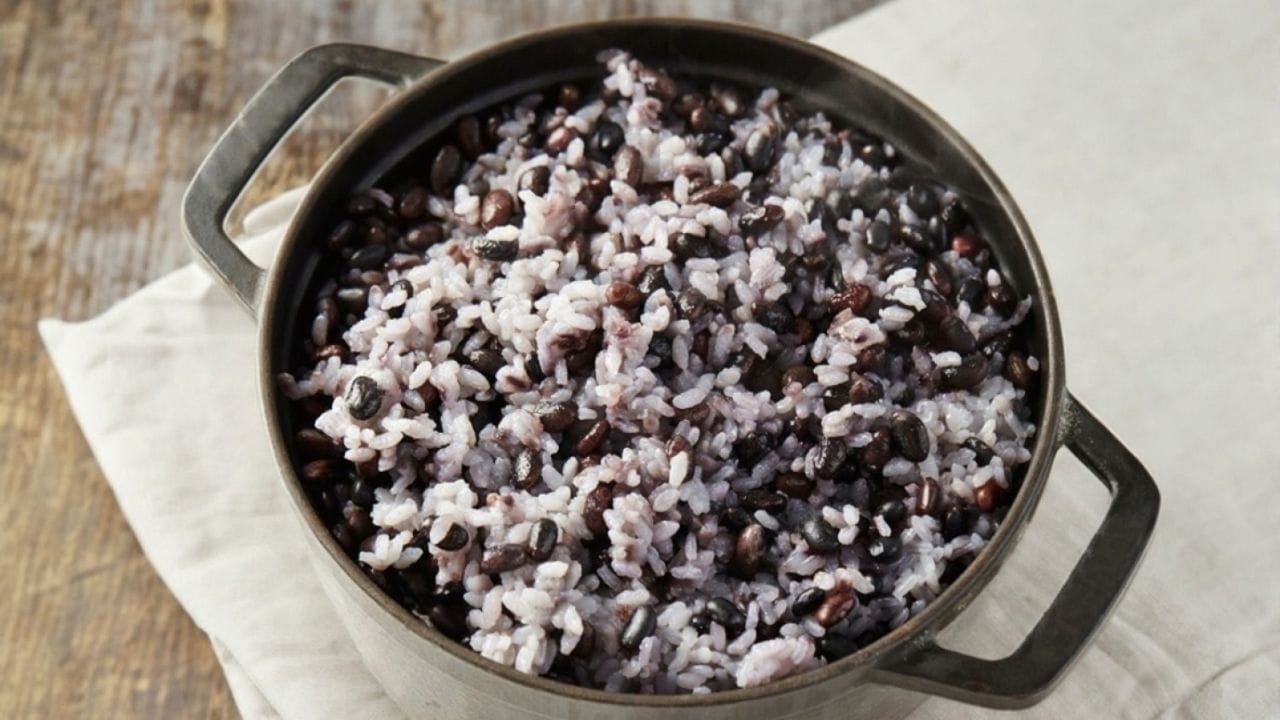
Cook rice and beans once. Roast a sheet pan of carrots and potatoes while you're already using the oven. Hard-boil half the eggs for snacks and quick breakfasts. Pre-slice a quarter of the bread and freeze it so nothing goes stale. Ten minutes of setup keeps the plan from falling apart on Wednesday.
The goal isn't a perfect menu. It's enough food without debt or guilt. Give yourself the steady week, then build from there.
*This article was developed with AI-powered tools and has been carefully reviewed by our editors.






Leave a Reply