
The old advice said "time is money," but a lot of households are flipping it: save time first, then money follows. When you stop wasting hours on errands, scrolling, and redo projects, you buy less by accident and avoid the fees that sneak up when life runs late. It's not about outsourcing everything. It's about designing a week that doesn't force expensive choices.
Here's how time-first thinking ends up saving cash.
Batch the chores that trigger impulse buys
Errands done one at a time mean extra gas, delivery fees, and last-minute "just in case" purchases. Pick one errand block a week and stack returns, grocery pickup, prescriptions, and the post office. Put a returns tote by the door with receipts clipped to each item so the run takes 30 minutes, not two hours.
When errands are predictable, you stop paying for convenience because you're no longer behind.
Stage tomorrow so you stop buying the morning

Set the coffee maker, pack lunches, and lay out clothes before bed. Those ten minutes kill the $7 drink, the $12 drive-thru, and the $18 "we forgot the water bottle so we'll buy one." Houses that stage nights spend less without trying because mornings aren't chaos.
If you commute, keep a small "car kit" with snacks and a water bottle so traffic doesn't equal takeout.
Schedule one weekly decision window
Pick a 20-minute slot to decide meals, one big purchase, and the week's social commitments. Say no to anything that blows up your schedule or budget. Decision windows cut random spending because you aren't reacting in the checkout line with a hungry kid and no plan.
Add two freezer meals and one pantry dinner to your list so you have backups when days go sideways.
Buy the tool that ends the redo
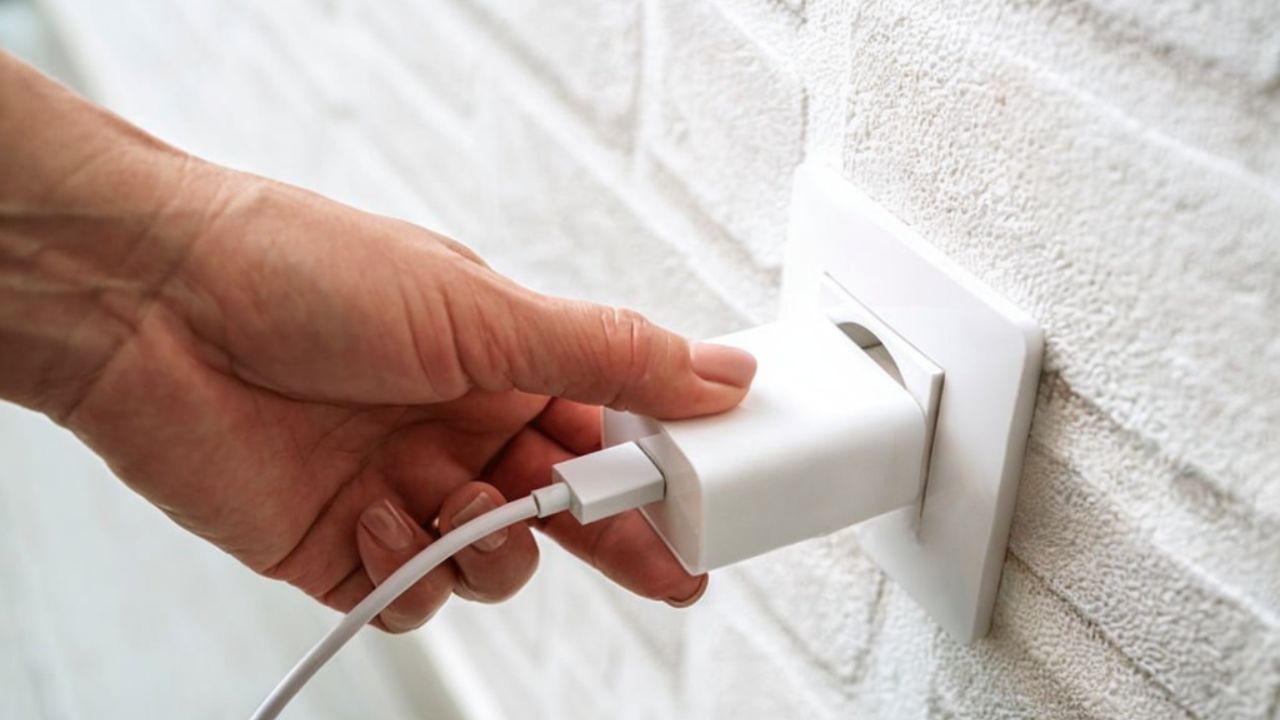
The too-dull peeler, the leaky travel mug, the charger that won't hold-small frustrations create wasted time and replacement buys. Replace one "annoying item" a week with a durable version. You'll stop doubling purchases and free time you'll use for choices that actually save money.
Keep a list on the fridge labeled "upgrade once" and work through it slowly.
Limit screens to end the "add to cart" spiral
Scrolling is expensive. App downtime on shopping and social from 9-10 p.m. creates just enough friction to skip impulse buys. Use that hour to prep tomorrow, stretch, or read. Saving money looks like boredom sometimes-and that's ok.
If something still tempts you, screenshot it and wait 48 hours. Most carts won't make it.
Time-first weeks cost less because you removed the traps that sell to tired people. Batch errands, stage nights, make decisions once, upgrade the tools that waste time, and cap your scroll window. You'll notice fewer fees, fewer duplicates, and a budget that breathes again.
*This article was developed with AI-powered tools and has been carefully reviewed by our editors.






Leave a Reply