
A lot of us hit "cancel" after another price jump and feel instantly responsible. The subscription's gone, the budget's lighter, and the mental clutter eases. But a month later, the card statement doesn't look that different-and somehow there's a new "free trial" ticking in the background. Cutting streaming can save money, but only if you treat it like a plan, not a mood.
Rotating beats hoarding
The biggest leak isn't one expensive app-it's five semi-cheap ones stacked together because you "might" watch something. Pick one platform per month, max two if your household actually uses both. Watch the shows you care about, then cancel before the next billing cycle and rotate to the next service. That's how you turn entertainment back into an on-purpose expense instead of a digital junk drawer.
If you share with extended family, write it down. Who's covering which app this month? When does it switch? A two-minute note in your phone keeps "I thought you cancelled" from becoming "we've been paying for this since June."
Watch for upgrade creep
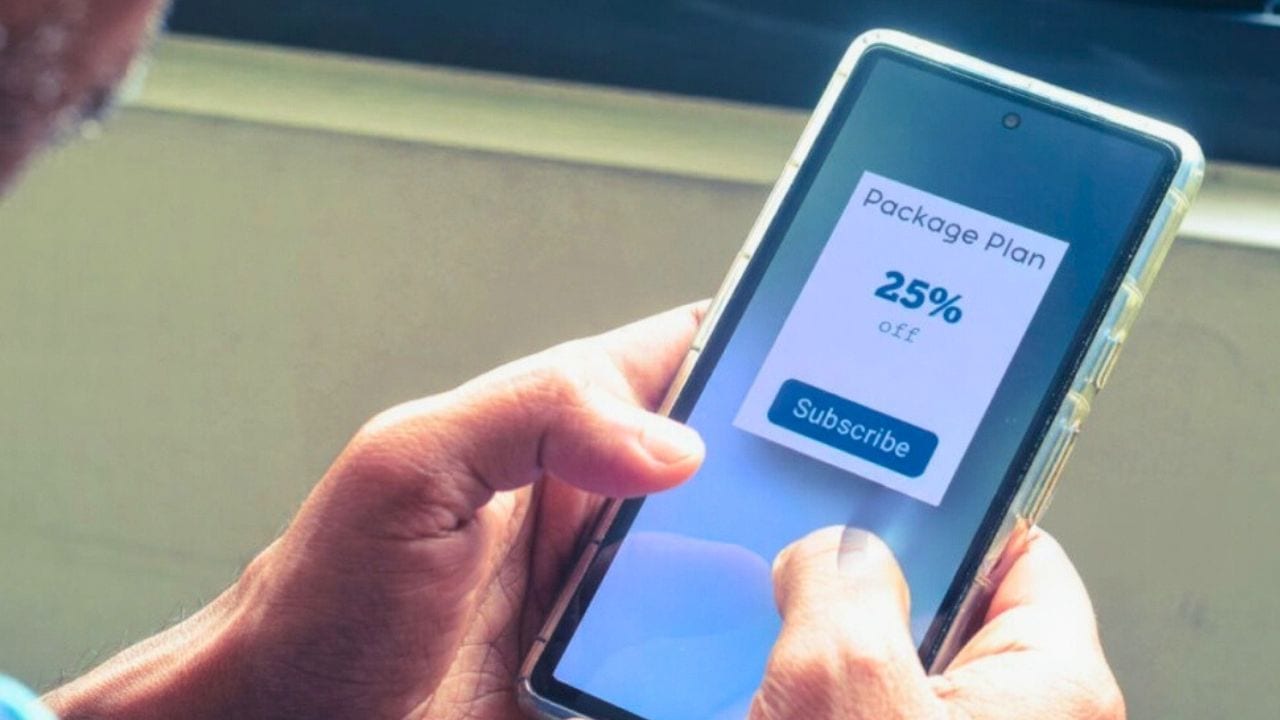
The other budget buster is add-ons-ad-free tiers, 4K, premium bundles-tacked on because it was "only" a few dollars. Those "few dollars" double the bill. Ask one question before upgrading: does the higher tier change how we use it, or just how it feels? If you're watching on a tablet while folding laundry, the ad-free 4K plan is probably a vibe tax, not value.
Ads are annoying, sure. But if sitting through a couple breaks turns $19.99 into $7.99, that's real. Be honest about your tolerance and save the premium tier for the platform you binge the most.
Free options still exist-use them like seasons
Library apps (Kanopy, hoopla), network websites, and FAST channels (free, ad-supported TV) are the old school solution hiding in plain sight. Treat them like "season breaks" between paid rotations. When you pause the last service, switch to free for two weeks. You'll get your cozy background shows and news without paying for a month where you barely watch.
If you hate hunting, make a "free queue" list once and reuse it. The trick isn't finding the perfect show; it's building a rhythm that keeps spending intentional.
Mind the device trap
Streaming sticks and smart TVs push trials hard. Turn off one-click sign-ups and require a PIN for purchases. It's the same principle as keeping snacks out of eyesight-your future self is less tempted when the default is "no."
While you're in settings, disable auto-renew on trials immediately after starting them. You can still watch; you just won't wake up billed on day eight because the baby cried right when you meant to cancel.
The number that tells the truth

If you want proof you're actually saving, use cost per hour. Write down what you spent on streaming this month and divide by the hours you actually watched. If that number feels silly-say, $1.50 an hour-you're fine. If it looks like a boutique hobby because you paid for three platforms and watched two episodes, it's time to rotate. The math is boring, but it ends the "I think we're saving" guesswork.
*This article was developed with AI-powered tools and has been carefully reviewed by our editors.






Leave a Reply