
If your paycheck seems to vanish before the weekend, it's not always because you don't make enough-it's usually because of how your money flows. Feeling broke by Friday is a common cycle that comes down to timing, habits, and hidden costs that sneak up before you even notice them.
You're not alone, and it's fixable. Once you see what's really draining your cash, you can stop the pattern and finally make your money stretch past a single week.
You're front-loading your week with spending
Most people spend heavily at the start of the week-groceries, gas, bills, and quick "I deserve it" purchases after payday. By Wednesday, your balance already looks thin, even if nothing unexpected happened.
Spacing out your spending helps more than you'd think. Schedule bill payments throughout the week or delay errands a few days. When you slow down how fast your money leaves your account, you'll feel like you actually have more, even if your income hasn't changed.
You don't have a plan for "the extras"
Budgets usually cover bills, groceries, and gas, but not the things that pop up weekly-like grabbing lunch out, birthday gifts, or small Amazon buys. These unplanned "extras" can quietly drain hundreds each month.
Set aside a set amount every week for those flexible expenses. When you have money already labeled for it, you'll spend smarter and stop dipping into the funds you meant to save.
You're budgeting by paycheck, not by month
When you only plan one paycheck at a time, it's easy to overlook bills or subscriptions that hit later in the month. Then, when they show up, you're short and have to start the next week from behind.
Looking at your full month instead of your next deposit gives you a clear picture of what's coming. It lets you spread things out evenly so no week feels like a financial emergency.
Your bank balance decides your spending
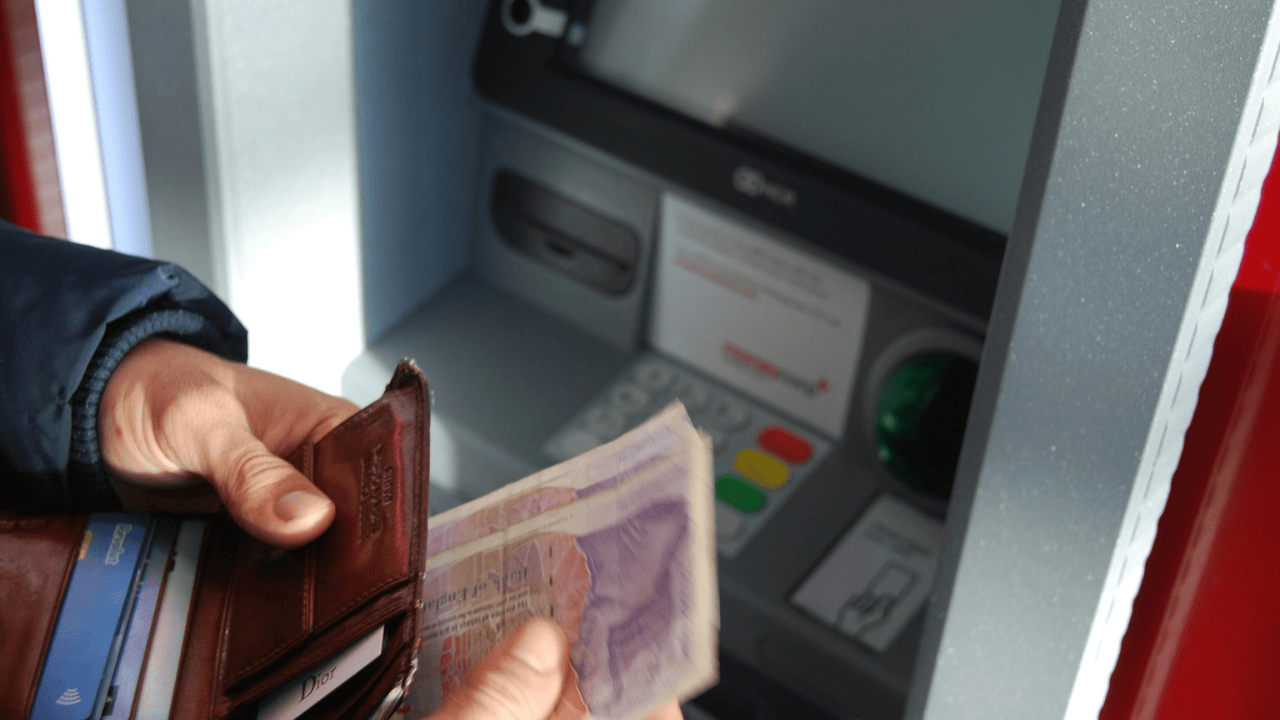
Checking your balance and thinking "I can afford this" is one of the fastest ways to feel broke by Friday. That number isn't your actual spending power-it's what's left before your obligations hit.
Instead of using your balance as your budget, rely on a plan you made beforehand. When you give every dollar a purpose early in the week, you'll know exactly what's safe to spend and what needs to stay put.
You're confusing being busy with being productive
When life feels chaotic, spending often becomes a shortcut to feeling in control-ordering food, grabbing coffee, or paying for convenience. The problem is, those small costs add up quickly and mask deeper money habits that need attention.
Taking a few minutes each week to plan meals or errands can save you far more than you realize. It's not about cutting everything-it's about removing the chaos that pushes you to overspend.
You don't give your money a holding spot
Without a buffer or separate account, every dollar sits in one place waiting to be spent. That makes it easy to lose track of what's reserved for bills and what's actually free to use.
Setting up a second account for bills or automatic transfers helps you create boundaries. When your money is organized, it's harder for it to disappear midweek.
You're living too close to the edge

If you rely on every penny from each paycheck, even small surprises-like a higher electric bill or forgotten subscription-can wreck your rhythm. That stress keeps you in a loop of spending, catching up, and feeling broke again.
The fix starts with building a small cushion. Even $50 sitting untouched in your account can keep your week steady and stop you from going into survival mode every few days.
You treat every weekend like a reset
Many people subconsciously "celebrate surviving the week" by spending on weekends. Then Monday hits, and you're back to counting down the days until payday. It's a mental reset that keeps you broke on repeat.
Find cheaper ways to unwind that don't undo your progress. A weekend doesn't have to mean swiping your card-it can mean rest, reset, and planning ahead so your next Friday feels less like defeat.
*This article was developed with AI-powered tools and has been carefully reviewed by our editors.






Leave a Reply