
I kept us in debt without realizing it. Are you?
Debt doesn't always come from big mistakes. Sometimes, it's the small, constant habits that quietly keep you stuck-things that feel "normal" because everyone else does them too. I used to think we were being responsible, paying bills on time and budgeting "enough," but our progress never showed.
Looking back, I can see how many of my choices looked fine on paper but kept us spinning our wheels financially. If you feel like you're working hard but never getting ahead, you might be doing the same things I did.
Making minimum payments
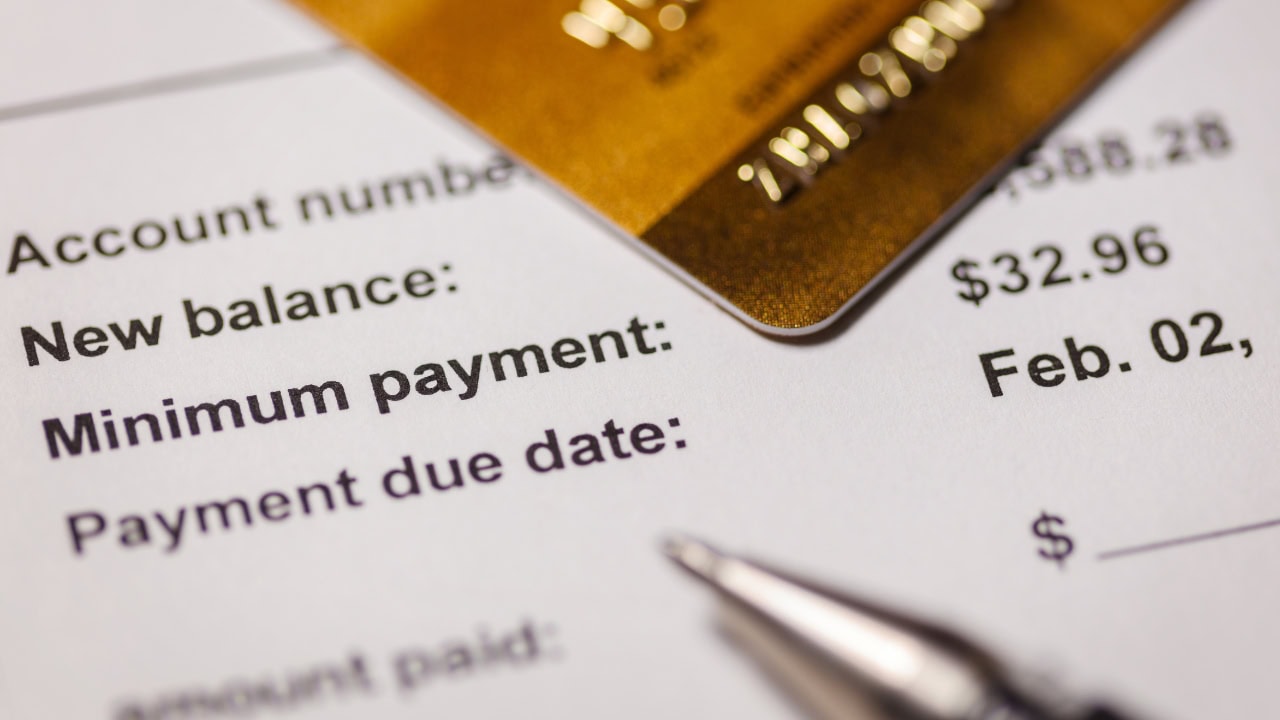
Paying the minimum feels responsible-it keeps your account in good standing-but it also guarantees you'll stay in debt longer. Most of that payment goes straight to interest, not the balance itself.
Once I started paying more than the minimum, I realized how quickly things could move. Even an extra $50 made a huge difference. The key isn't paying everything off overnight-it's breaking the cycle of thinking "minimum" means progress.
Financing things we could've waited for

We told ourselves we "needed" to finance things like furniture, appliances, and equipment because they made life easier. But those small loans piled up fast.
Each monthly payment seemed harmless until they all hit at once. Financing convenience is still debt-it just feels softer because it's spread out. Learning to wait and save made a bigger difference than any interest-free offer ever could.
Treating credit cards like a backup plan
I thought having a credit card for "emergencies" was smart, but I used it for everything slightly inconvenient. That turned "emergency" into "everyday."
Credit can feel like a safety net, but it's really a delay button. I started building a real emergency fund instead, and that changed everything. Once I stopped relying on the card, my debt finally stopped growing.
Avoiding the hard math
We tracked spending loosely, but I avoided the exact numbers because I didn't want to feel restricted. That mindset kept us blind to the truth.
When I finally faced it-every dollar in, every dollar out-it was uncomfortable but freeing. Seeing the problem clearly made it easier to fix. You can't get out of debt if you're guessing what's keeping you in it.
Believing "we can afford the payment"

That line got us every time. If the monthly payment fit into our budget, we thought it was fine. But payments don't measure affordability-total cost does.
Adding up what we were paying in interest, insurance, and maintenance made me realize how much money was slipping away each month. If something requires years of payments, it's not affordable-it's delayed regret.
Using "self-care" as an excuse

I told myself I "deserved" small indulgences after stressful weeks-takeout, coffee, impulse shopping. It didn't feel excessive, but it quietly drained what could've gone toward our goals.
Real self-care wasn't the spending-it was lowering the stress of living paycheck to paycheck. Once I started seeing that, saying no felt empowering instead of restrictive.
Upgrading instead of maintaining
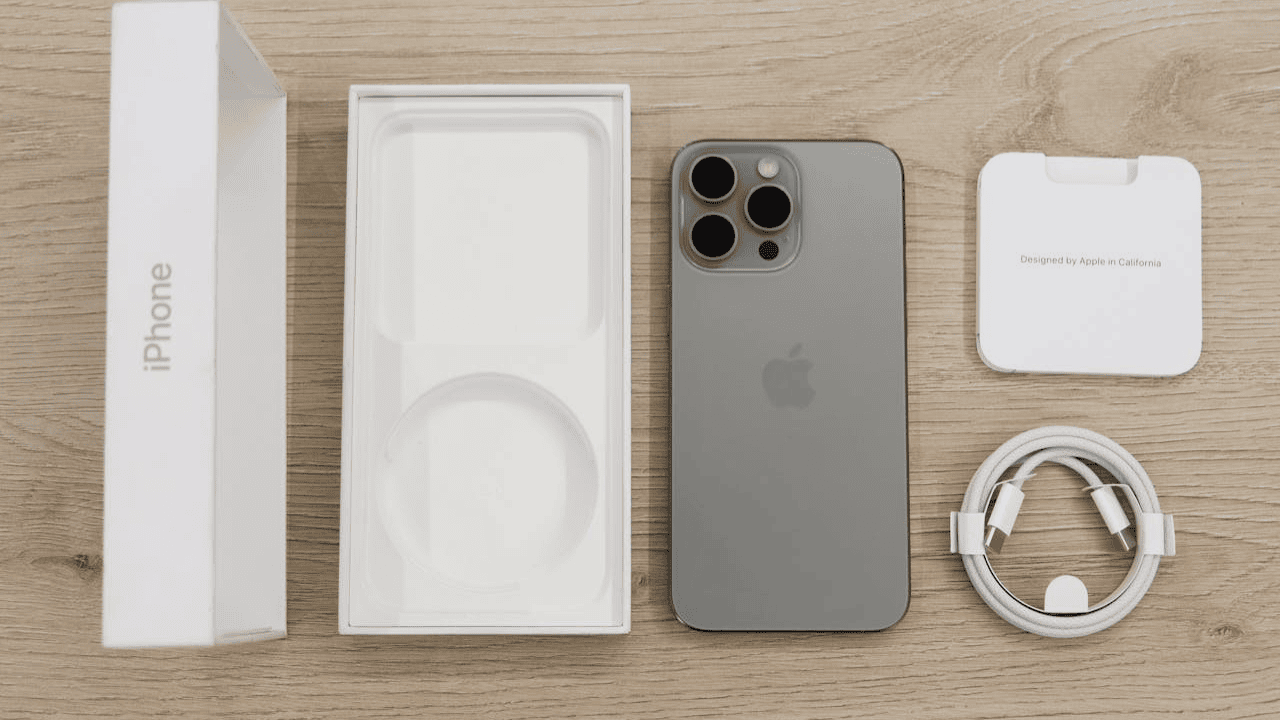
When things wore out, I replaced them with something new instead of repairing or doing without. It felt efficient, but it kept us in a constant cycle of buying.
Learning to repair, maintain, or delay replacements stretched our money further than I thought possible. Upgrading should come after progress, not before it.
Ignoring "small" subscriptions
I didn't think twice about subscriptions because they were all under $15. But when I added them up, we were spending over $100 a month on things we barely used.
Those small, invisible charges eat away at progress. Once we canceled what didn't matter, it felt like an instant raise. Every unnecessary automatic payment is debt waiting to happen.
Thinking we were "too busy" to meal plan
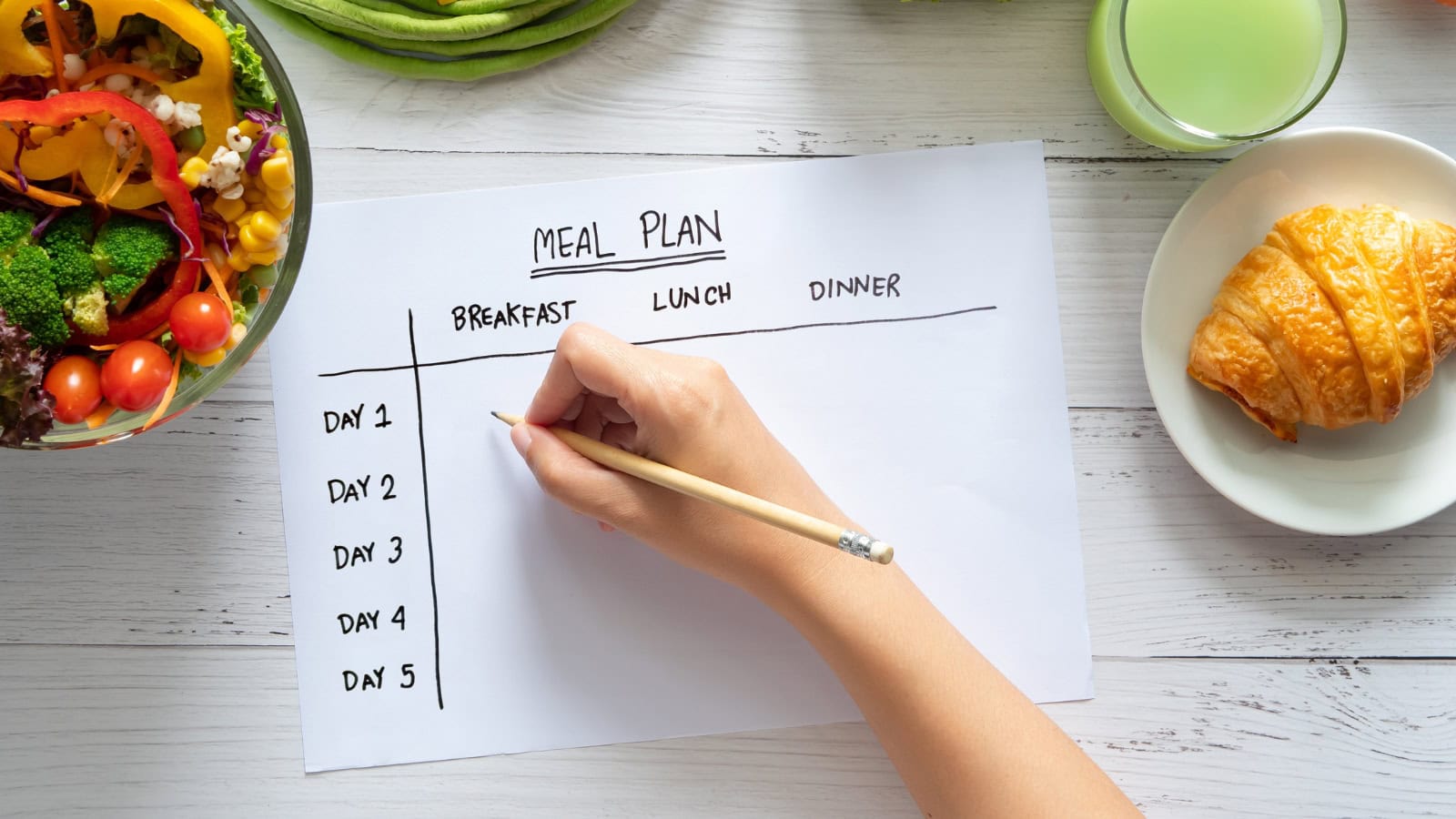
We wasted so much money eating out because I convinced myself I didn't have time to cook. But what we really didn't have was a plan.
Once I started prepping meals ahead and keeping basics on hand, we stopped defaulting to drive-thrus and delivery. A little planning saved hundreds each month-money that used to vanish without thought.
Refusing to downgrade

When our income dropped, I tried to maintain the same lifestyle. I didn't want to "go backward." But pretending nothing changed only made it worse.
Downsizing isn't failure-it's adjustment. The sooner you adapt to your reality, the faster you recover. Pride can keep you in debt longer than any bill, and learning that made me rethink what financial strength actually looks like.
*This article was developed with AI-powered tools and has been carefully reviewed by our editors.






Leave a Reply