
We've all been there-bright red tag, loud "limited time" banner, and a cart that suddenly feels urgent. A lot of those "deals" are normal prices in a louder outfit. If you can slow the moment down and run a few quick checks, you'll keep the wins and skip the traps.
Unit price is the real price
Ignore the sticker for a second and look at the math that matters. Ounces, pounds, count per roll, cost per load. If the sale size costs more per unit than your regular size on a normal week, it's not a deal.
Keep a tiny "floor price" list for your top ten staples on your phone. Coffee per ounce, chicken per pound, detergent per load, paper towels per sheet. If the red tag doesn't beat your floor, move on.
"Compare at" and crossed-out numbers

A crossed-out price feels like a win, but plenty of "compare at" numbers are anchors-baselines the store sets to make the discount look generous. Ask yourself the sanest question in the aisle. Would I buy this at the current price if I never saw the crossed-out number?
If the answer is yes, good. If the answer is "only because it looks like a steal," that's the anchor talking.
Multipacks and "club size"
Bigger isn't always better. Multipacks can hide smaller individual sizes inside, which drives unit price up. Club sizes sometimes come with weaker formulas or odd flavors that don't move well. If you'll struggle to store it or your family won't finish it before it goes stale, it's not cheaper-even if the math works.
Buy the amount you'll actually use between now and the next realistic sale cycle. Space has a cost.
Coupons that force a worse price
Digital coupons can be great, but a lot of them only apply to a larger package or a premium version that ruins unit price. If clipping a coupon forces you into the size that loses the math, pass. The goal is total cost, not coupon count.
Stack the sales that truly stack. Store promo plus a manufacturer coupon plus a floor-beating unit price? That's a real deal.
Beware of thresholds and timers
"Spend $35 for free shipping." "Ends in four minutes." Thresholds pull you into buying extras you didn't plan for. Timers shut down your comparison brain. If the threshold is close, add a pantry staple you always buy anyway. If you're reaching for something random to "qualify," you're paying a fee to avoid a fee.
When a timer starts shouting, back out of the tab. If it's still worth it tomorrow, it'll be worth it without the clock yelling.
Clearance that costs you later
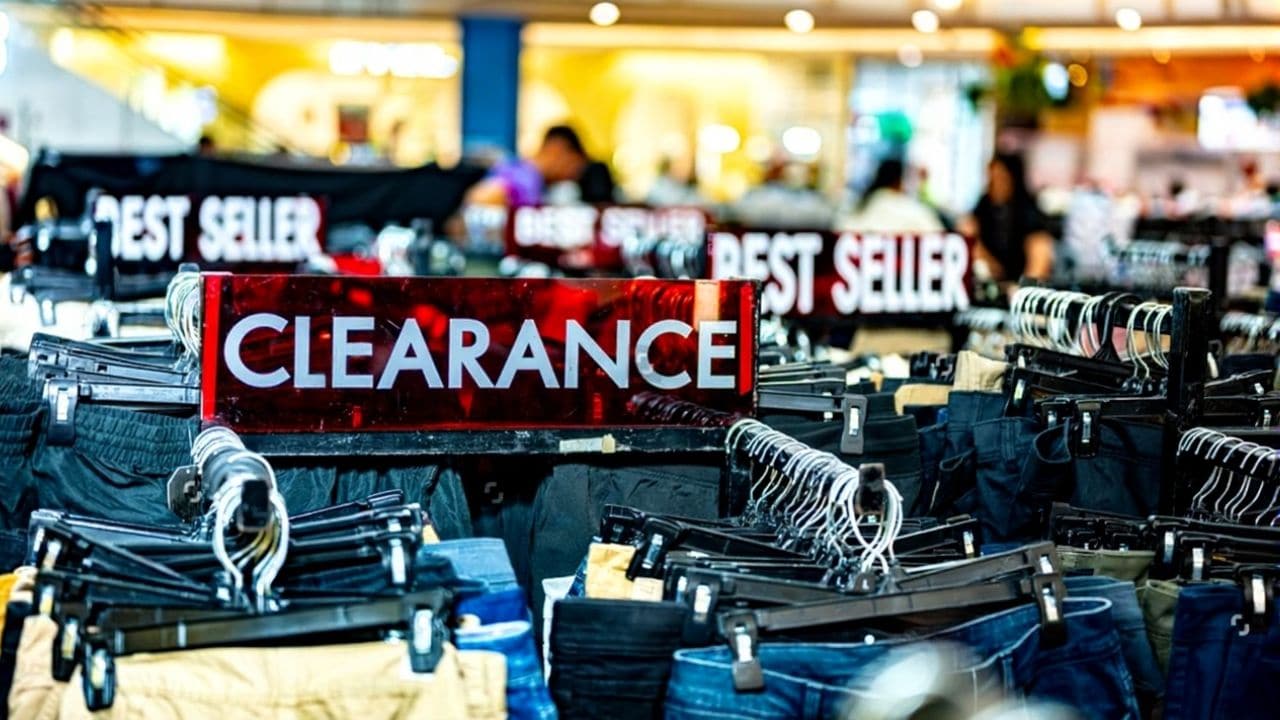
A cheap thing that needs a special cleaner, a weird refill, or a storage bin isn't cheap in the long run. Add those friction costs to the sticker. If they break the value, leave it.
Same goes for holiday clearance. If it won't earn its keep year-round, you just bought yourself a new box to trip over.
Deals are real-you just need a quiet checklist. Unit price, floor price, honest need, and no extra hoops. Run those four and your cart will start making a lot more sense.
*This article was developed with AI-powered tools and has been carefully reviewed by our editors.






Leave a Reply