
Getting ready for winter doesn't have to mean draining your bank account. The trick is focusing on what actually makes a difference-keeping your home warm, your pipes safe, and your energy bills under control. You don't need fancy gadgets or expensive upgrades to stay comfortable all season.
A few smart, affordable steps can go a long way in keeping your home efficient and your wallet intact. Here's how to prep for winter without breaking the $500 mark.
Seal up drafts
Drafty doors and windows let in cold air and drive up your heating costs. Weatherstripping and caulk are cheap fixes that can make a big difference in comfort and efficiency.
Walk around your home on a windy day and feel for air leaks near doors, outlets, and window frames. Sealing them up can cut heating loss by as much as 20%.
Reverse your ceiling fans
Most ceiling fans have a small switch that changes blade direction. Flipping it clockwise pushes warm air down, helping heat circulate through the room.
It's an easy adjustment that takes less than a minute and saves money by letting your heater work less. You'll feel the difference almost immediately on chilly mornings.
Add insulation to problem spots
You don't need to re-insulate your entire attic to make a difference. Focus on quick fixes-foam pipe insulation, draft stoppers for doors, and outlet gaskets on exterior walls.
These small upgrades are inexpensive but help lock in heat and prevent cold spots. They also protect your plumbing from freezing in severe cold.
Replace your furnace filter
A dirty filter makes your furnace work harder and use more energy. Swapping it out before the cold sets in keeps airflow strong and heating costs lower.
Check your filter monthly and replace it at least every three months. It's a five-minute job that can save you a noticeable amount on your next utility bill.
Check window coverings
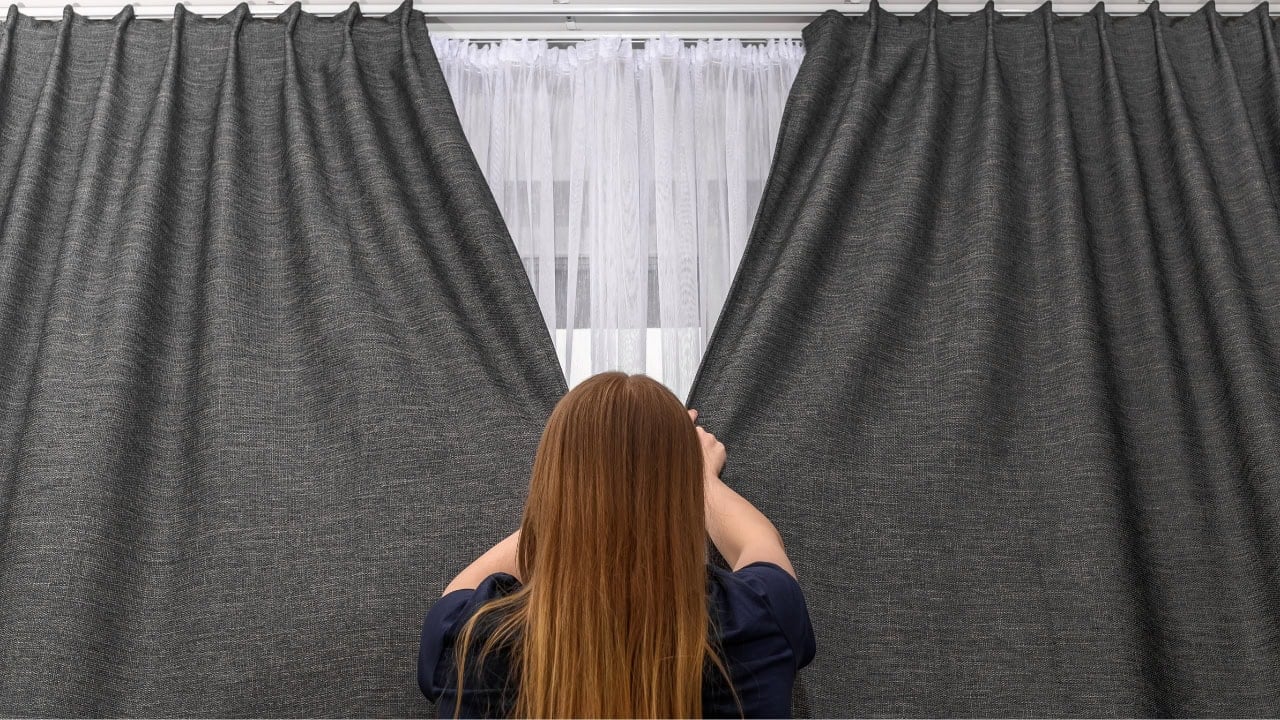
Heavy curtains or thermal panels keep heat inside and block chilly drafts. You don't have to buy new ones-layering blankets or fleece behind thin curtains works too.
During the day, open curtains on south-facing windows to let in sunlight, then close them at night to hold warmth in. It's free insulation that adds up.
Prep your water lines
Frozen pipes are one of winter's most expensive disasters. Insulating exposed pipes and disconnecting outdoor hoses helps prevent them from bursting.
If a cold snap is coming, open cabinet doors under sinks and let a slow trickle run overnight. It's an easy, almost-free way to protect your plumbing.
Stock up on essentials early
Things like salt, space heaters, and batteries always spike in price after the first storm. Buying them ahead of time saves money and keeps you from scrambling later.
Check your stash now and restock what's missing. You'll avoid the rush and skip the markups when everyone else starts panic-buying.
Service what you already own
Before buying anything new, make sure what you have is working right. Clean space heaters, test smoke and carbon monoxide detectors, and check flashlights.
A little maintenance keeps everything running safely and efficiently through the season. Most of these tasks cost nothing but a few minutes of your time.
Layer up your floors

Cold air tends to settle low, which makes bare floors feel icy. Adding rugs or mats helps hold in heat and makes rooms instantly cozier.
Focus on high-traffic areas like the living room and hallway. You can often find affordable options secondhand or repurpose old ones from other parts of the house.
Cook and heat smarter
Baking, slow cooking, or simmering soups naturally warms your kitchen. When you're done, leave the oven door open (if it's safe to do so) to spread the heat.
Keeping your thermostat a few degrees lower and dressing in layers adds up, too. A few small adjustments can save hundreds over the course of the winter.
*This article was developed with AI-powered tools and has been carefully reviewed by our editors.






Leave a Reply