
"Shop the sales" sounds simple until you're standing in the aisle at 5 p.m. with no plan and three hungry people staring at you. Planning around sales works when you bring the decisions upstream and use a rhythm, not perfection.
Start with the pantry, not the ad
Open the cabinet and make an "already have" list: rice, pasta, beans, canned tomatoes, broth base, tortillas. That's your foundation. Sales should fill the gaps, not decide your life. If pasta is in the pantry, you're hunting protein and veg on sale, not reinventing dinner.
Pick two sale anchors, not seven
From the weekly ad, choose two good values that flex: a family pack of chicken thighs and a pack of Italian sausage; or bone-in pork shoulder and eggs. Build three dinners that repeat pieces: sheet-pan chicken and carrots, sausage pasta with the same carrots and onions, breakfast-for-dinner omelets with leftover veg. One cart, many lives.
Buy produce by purpose
Ask every fruit and veg a simple question: where do you live this week? Carrots and cabbage go everywhere (roast, slaw, soup). A bag of greens becomes side salads and omelets. If it doesn't have a job, it doesn't ride home. Choose hardy items that survive a week so the plan can flex.
Use a repeatable dinner rhythm
Assign loose lanes: a sheet-pan night, a skillet/pasta night, a soup or bowl night, and a breakfast-for-dinner night. Sales plug into those lanes easily. You're not matching recipes to ads; you're dropping sale items into formats you already know.
Batch one base while the oven is on
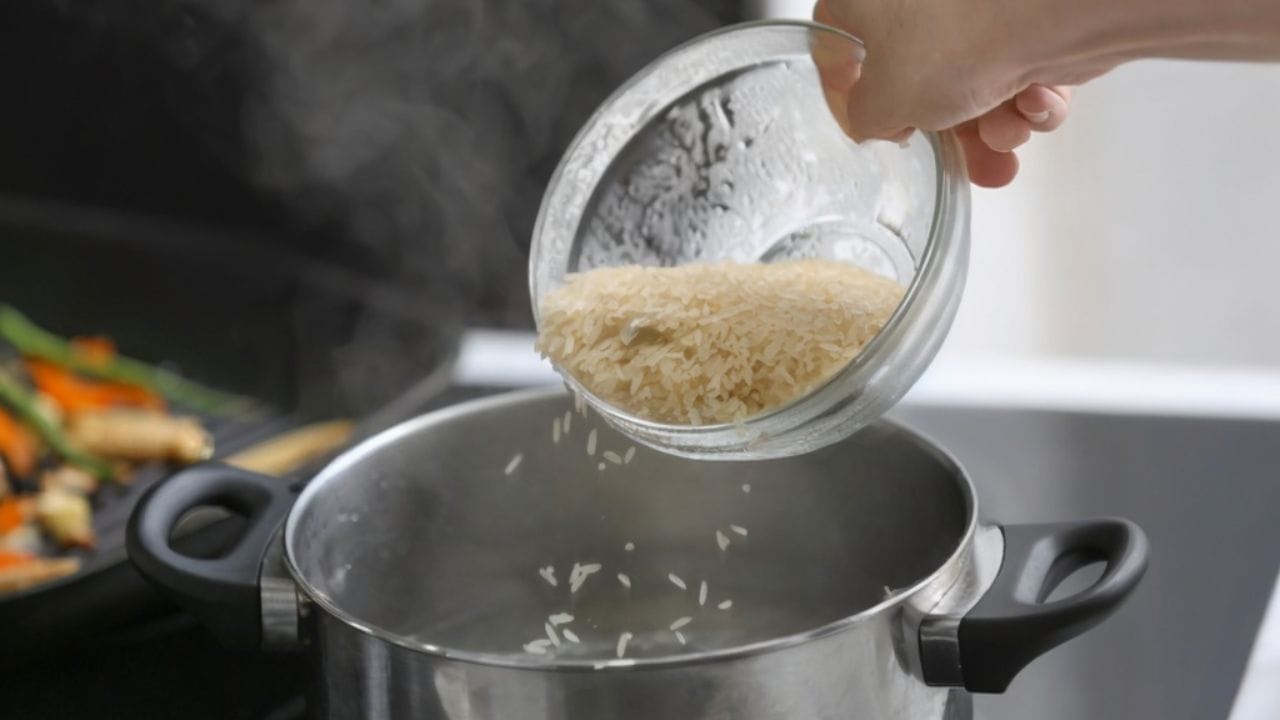
If the oven's hot, roast two trays: one for tonight, one neutral (salt, pepper, oil) for later. If a pot is boiling, make extra rice. Future you will use those blanks on a slammed night and skip the "let's grab something" conversation.
Keep two flavor boosters in rotation
A jar salsa, a lemony yogurt sauce, chimichurri, or a quick pickled onion turn repeats into "different." They cost pennies and stop leftovers from feeling like punishment. Choose one per week and make a small jar on Sunday.
Make the list boring and specific
Write the list by aisle and by job: "carrots (2 lbs, sheet pan + slaw), onions (3, pasta + soup), thighs (family pack), eggs (18), pasta (2), canned tomatoes (28 oz)." Lists like that keep you out of the middle aisles and move you through the store without second-guessing.
Use your freezer like a savings account
When you catch a real sale on meat, buy two-cook one this week, freeze one for a future week when the ad is weak. Label flat bags with cut and date so they stack. "Future meat" is how you keep the rhythm when the flyer is full of nothing.
Script your fallback

Write one ten-minute dinner you always keep the parts for: tortellini with jarred sauce, quesadillas, eggs and hash browns, or tuna melts and soup. Keep those ingredients on hand so a bad day doesn't break the plan.
Planning around sales isn't a color-coded binder. It's a short list, two good anchors, and repeatable formats that use what you already have. Once you feel that rhythm, grocery day stops bossing you around-and the total starts listening.
*This article was developed with AI-powered tools and has been carefully reviewed by our editors.






Leave a Reply