
How to pay off $8,000 in credit card debt asap
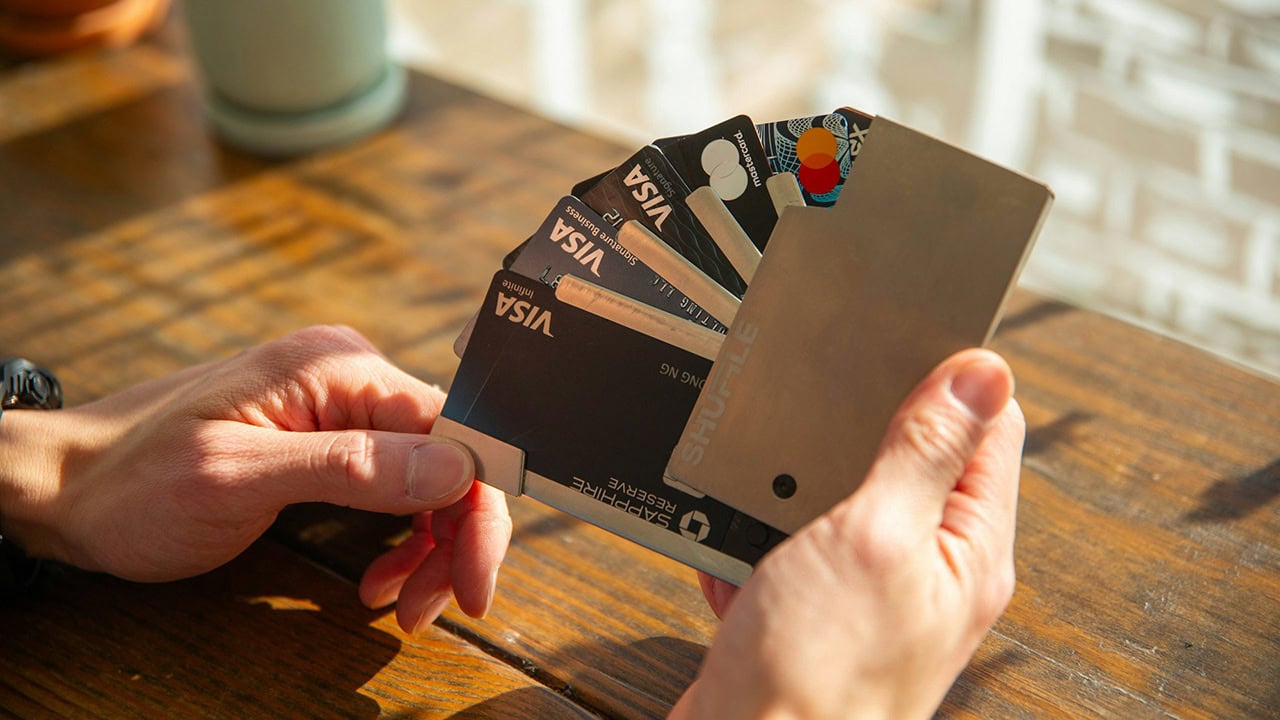
Credit card debt feels heavier than other types of debt. It racks up fast, it's loaded with interest, and the minimum payments barely scratch the surface. If you're tired of carrying it, you're not alone. I was looking at a balance of $8,000 and knew I had to be aggressive if I wanted to knock it out fast.
It wasn't magic or some perfect budget-just consistent, smart decisions that chipped away at it month by month. Here’s exactly what worked for me.
I Cut All My Minimum Payments to One Focus Card
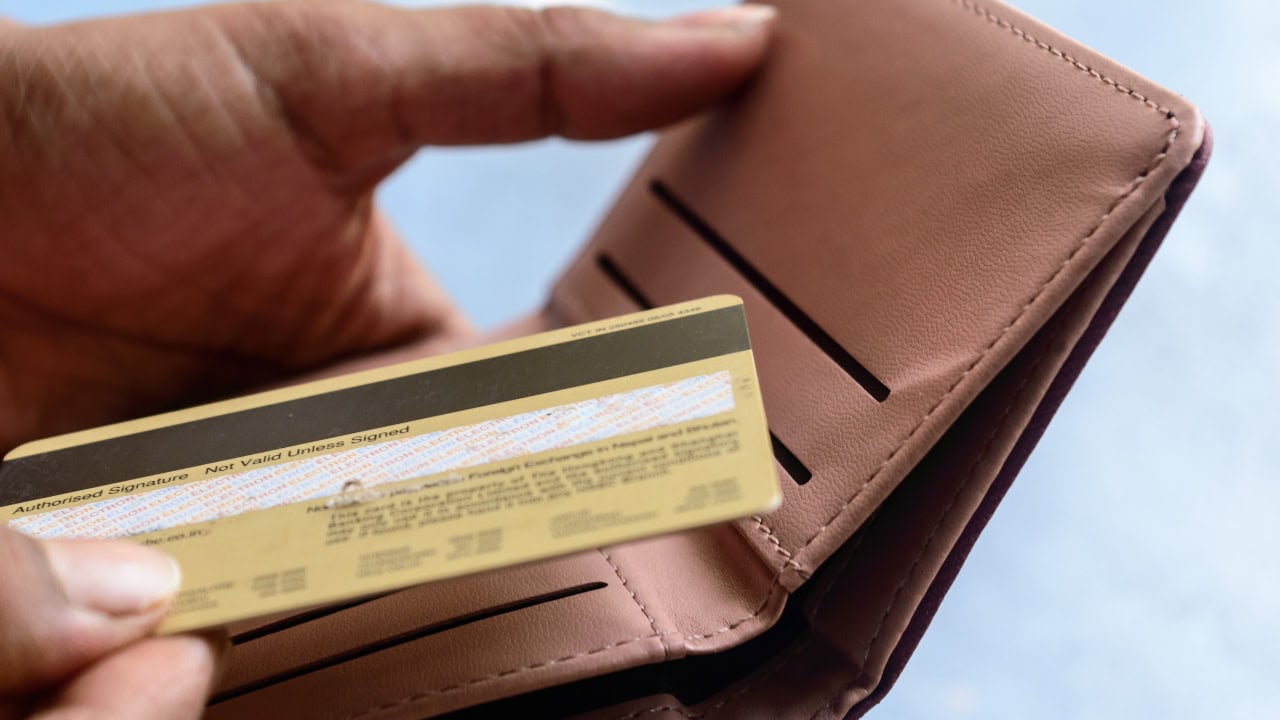
Instead of spreading money across several cards, I picked the one with the smallest balance and threw everything at it. The rest got minimums.
Paying off one card completely gave me momentum and freed up cash to roll into the next one. This method (called the debt snowball) helped me stay motivated and feel like I was actually making progress, even if the highest-interest card wasn't first in line.
I Sold Stuff I Didn't Use

I went through the house and started selling things I wasn't using-furniture, clothes, random electronics, baby gear. It added up way faster than I expected.
Most of it went on Facebook Marketplace, and I applied every dollar straight to the debt. A few hundred here and there might not sound like much, but it knocked down a big chunk when combined with everything else I was doing.
I Paused Every Subscription I Could Live Without
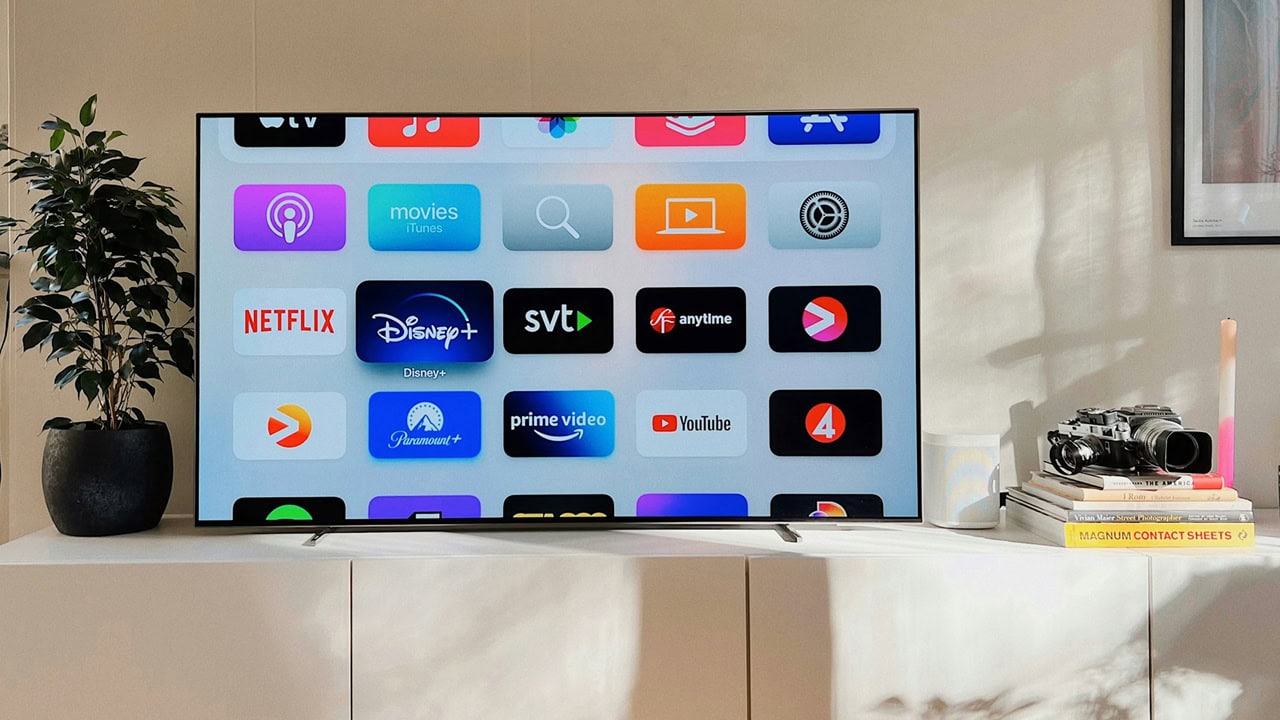
That included Netflix, Spotify, app subscriptions, and even Amazon Prime for a while. Anything I could cancel or pause, I did.
I reminded myself that this wasn't forever-it was just until I got out of the hole. Cutting those automatic drafts gave me an extra $60-$80 a month to work with, which helped me pay things down faster than I thought it would.
I Stopped Using Credit Cards Completely

It was tempting to keep one "for emergencies," but I knew I'd keep reaching for it if it was in my wallet. So I pulled them all out and tucked them away.
Not adding to the balance was a huge mindset shift. Once I broke the habit of relying on them, it got easier to find ways to live within my actual income. I also stopped telling myself "I'll pay it back later," which helped a lot.
I Picked Up Quick Side Gigs

I didn't have time to start a whole side hustle, but I did what I could in the time I had-like selling printables, doing a few freelance jobs, or picking up a weekend gig once or twice.
Even an extra $100-$200 a month from little projects helped cover more than minimum payments. I didn't rely on it long-term, but those short sprints sped things up without requiring a full career change.
I Stopped Buying Things in the Checkout Line

Target, Walmart, the gas station-even grocery stores. I used to toss little extras in the cart without thinking, and those $5-$15 purchases added up fast.
Once I got serious, I stopped shopping when I was tired or bored. I made tighter lists and stopped telling myself that a little treat wouldn't matter. The truth is, when you're trying to pay off thousands in debt, it does.
I Cooked at Home-Even When I Didn't Want To

Dining out was one of the hardest habits to break. I love not having to think about dinner, especially on busy nights. But I had to stop making excuses.
I made faster meals, used grocery shortcuts, and gave myself grace for things not being perfect. Even imperfect home-cooked meals saved me hundreds a month compared to drive-thru and takeout. And that freed-up money made a huge dent in my card balances.
I Used Cash for the Categories I Overspent In

Swiping was too easy. So for groceries and personal spending, I started using cash envelopes. Once the money was gone, I had to wait.
It sounds old-school, but it really helped me stay in control. I got used to making tradeoffs and planning ahead instead of swiping without thinking. That discipline kept me from going backward while I was working so hard to move forward.
I Checked My Progress Weekly
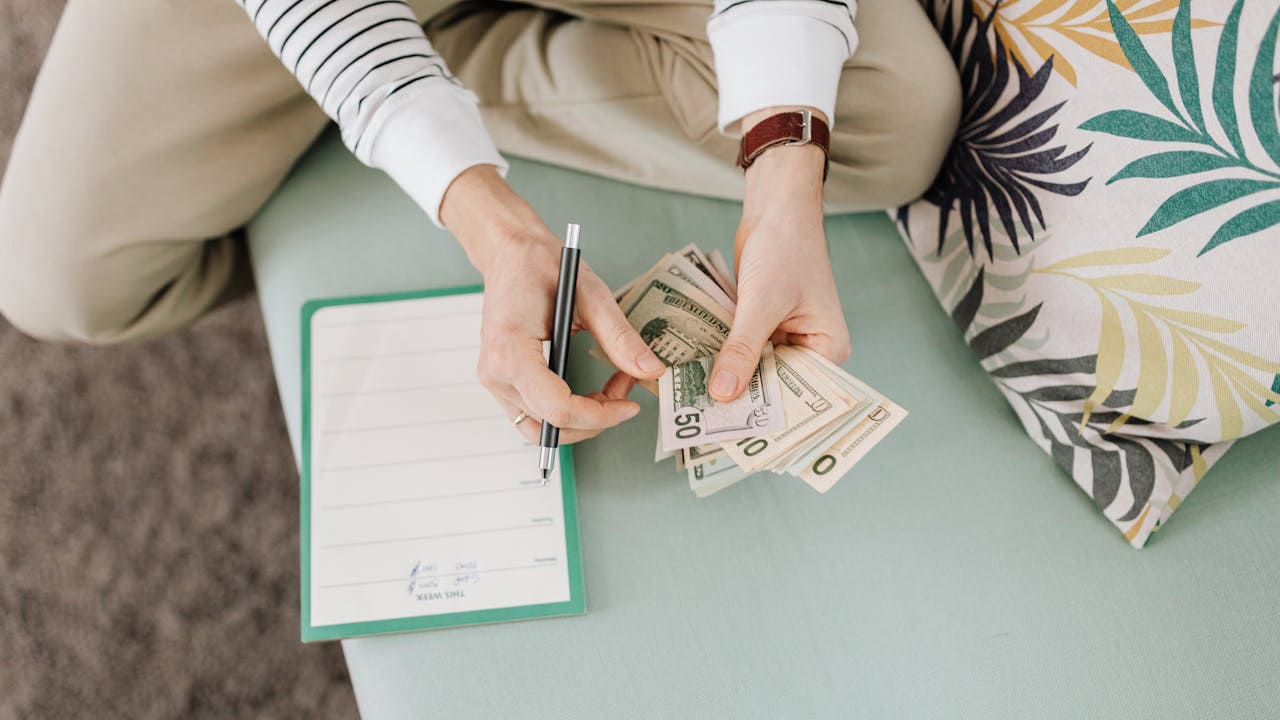
Every Sunday, I'd sit down, look at what I paid that week, and update my totals. Even if it was small, seeing the balance drop kept me going.
It's easy to lose momentum when you feel like you're barely making progress. But checking in weekly reminded me that even small wins mattered. It gave me fuel to keep making smart choices during the week ahead.
I Refused to Let Guilt Keep Me Stuck

I could've sat in shame over the debt or beat myself up for bad choices, but that wouldn't have paid anything off. I let it go and focused on what I could do next.
You don't need a perfect plan. You need a clear goal and a willingness to do what it takes. I didn't do everything right, but I stayed consistent-and that's what finally made the difference.
*This article was developed with AI-powered tools and has been carefully reviewed by our editors.






Leave a Reply