
Grocery spending isn't only about what you buy-it's where and when you buy it. Pick a store that doesn't match your staples, shop at the most expensive time of day, or use the wrong format for your household, and your careful list won't save you. One wrong choice can add $150-$300 to a month without a single "treat" in the cart.
Here's how to choose the right primary store and rhythm so your plan shows up on the receipt.
Match the store to your staples, not your fantasy cart
Write down your top ten repeat items-milk, eggs, bread, rice, chicken thighs, bananas, frozen veg, yogurt, tortillas, peanut butter. Price those across two or three nearby stores. The cheapest store on your staples wins, even if its specialty aisle is boring. You can always hit a secondary store once a month for one or two fun items.
A great bakery does not offset $1 more per gallon of milk every week.
Avoid convenience formats for weekly shops
Small neighborhood markets and corner stores are perfect for a missing ingredient, not a full cart. Their rent and delivery model shows up on shelf tags. Use them to grab one item without paying delivery fees, but do your big shop at a standard grocery or warehouse if you buy non-perishables in bulk.
If time is tight, curbside pickup at a full-line store keeps prices down and impulse buys out.
Shop at a calm time with a written list
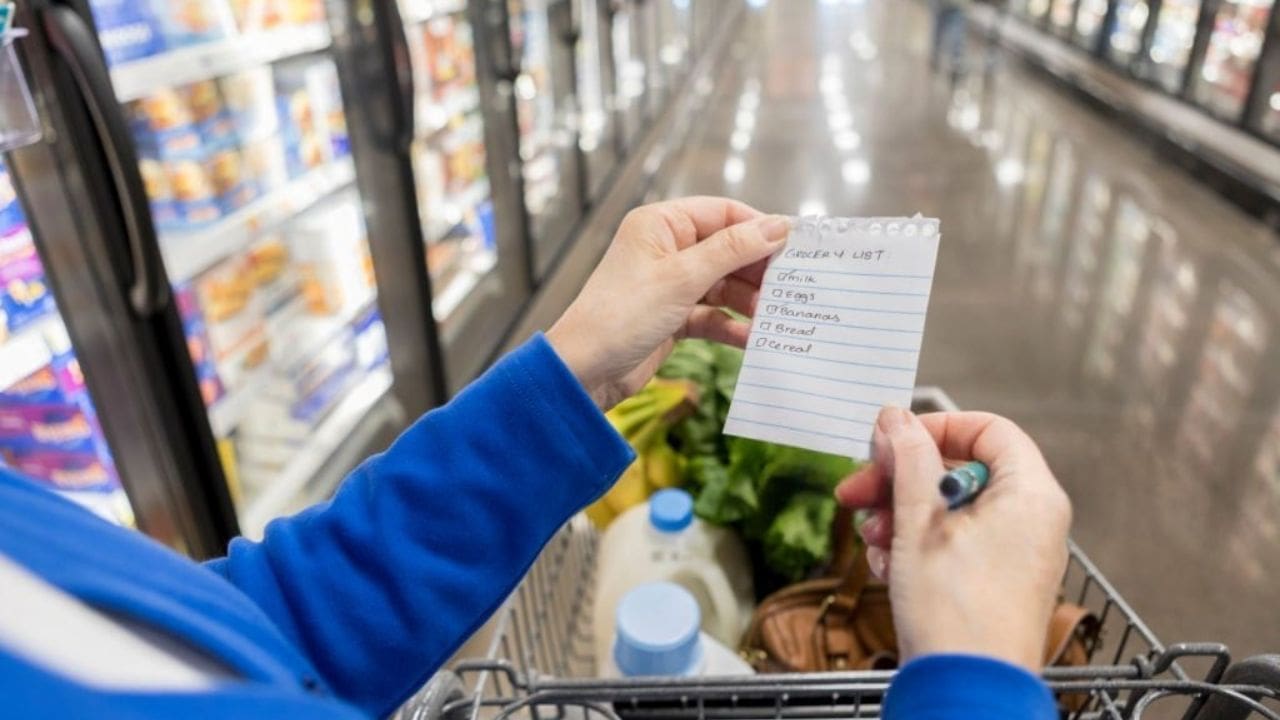
Crowded aisles and hungry kids raise totals. Go early morning or later evening midweek with a list built around five dinners and a repeatable breakfast and lunch plan. The list removes decisions and the timing removes stress. You'll stick to what you planned and resist expensive swaps.
Eat a snack before you go. Appetite is a budget category even if it's invisible.
Don't let the expensive item set the store
If you need fish or a specific cut of meat once, buy it at the specialty store and get the rest elsewhere. Choosing your primary based on the rare "nice" item puts your milk, eggs, and pantry goods in the highest-price environment every week. Split the run or visit two stores biweekly.
Use a cooler bag and do both stores on the same trip to save gas.
Size your store to your household
Warehouse clubs are great for large families and for specific bulk staples, but they can be a budget trap for one- to two-person homes, especially for produce and baked goods. If you love the unit prices, share with a neighbor or stick to paper goods, coffee, canned tomatoes, and detergent. Buy perishables at a regular grocery where you can control quantity.
If you keep the membership, list five items you'll buy there monthly. Stop roaming.
Pick a weekly rhythm you can keep

A two-store loop every Saturday may be perfect for one family and impossible for another. Choose a rhythm that fits your life-one curbside pickup Monday night, a quick in-person top-up Friday, or a single Saturday morning shop with a coffee in hand. Consistency beats intensity. The right rhythm keeps you out of "emergency" shops, which are always the most expensive.
Put your shop on the calendar like an appointment so it actually happens.
Protect the savings with a pantry rule
Keep a short "always on hand" list: onions, garlic, carrots, celery, canned tomatoes, beans, rice, pasta, eggs, frozen veg, tortillas. If a week gets messy, you can cook three dinners from pantry and skip a second store trip. Fewer trips mean fewer impulse buys and fewer fees.
Post the list on a cabinet door and glance before you leave.
The grocery store you choose matters as much as the meals you plan. Match the store to your real staples, avoid convenience formats for full carts, shop at calm times, split specialty items, size the format to your household, pick a weekly rhythm, and keep a stocked pantry core. One good choice at the top saves dozens of small ones in the aisles.
*This article was developed with AI-powered tools and has been carefully reviewed by our editors.






Leave a Reply