
Every winter, the heating bill creeps up faster than you expect. You promise you'll bundle up instead of touching the thermostat, but eventually the chill wins. This year, I decided to do things differently. I wanted to see how far I could go keeping the house warm without relying on higher heat settings-and it worked better than I expected.
It took a little strategy, a bit of effort, and a few habits that make more difference than you'd think. Here's what helped us stay warm and keep that energy bill from climbing.
I sealed the warm air in before it could escape
Drafts are sneaky. You can feel them around windows, doors, and even outlets on exterior walls. Before the temperature dropped too low, I checked every area I could. I used weatherstripping around doors and foam tape along window edges. Heavy curtains helped, too-especially at night when cold air seeps through glass faster.
Even small leaks can pull a surprising amount of heat from your home. Once I sealed them, the difference was immediate. Rooms that used to feel cold stayed comfortable longer, and the furnace ran less often.
I used curtains to trap heat where we needed it
Most people think of curtains as decor, but they're one of the easiest ways to control temperature. During sunny days, I opened them wide to let the light in. Natural sunlight warms a room fast, even in winter. Once the sun went down, I closed them tightly to hold the heat in.
If you have thin curtains, consider adding a thermal liner or hanging a second layer behind them. The thicker the barrier, the more heat you keep. It's a small change that makes a big difference once you start paying attention.
I focused on heating the people, not the whole house
Instead of trying to warm every room evenly, I put my effort into keeping us warm directly. We used heavier blankets on the couch and swapped cotton sheets for flannel. I pulled out slippers, thick socks, and layered clothing.
When we're warm, the house doesn't have to be. Portable heating pads, hot water bottles, and warm drinks all help keep your body temperature up without touching the thermostat. It's surprising how much comfort you can add without adding heat.
I made better use of the rooms we actually use
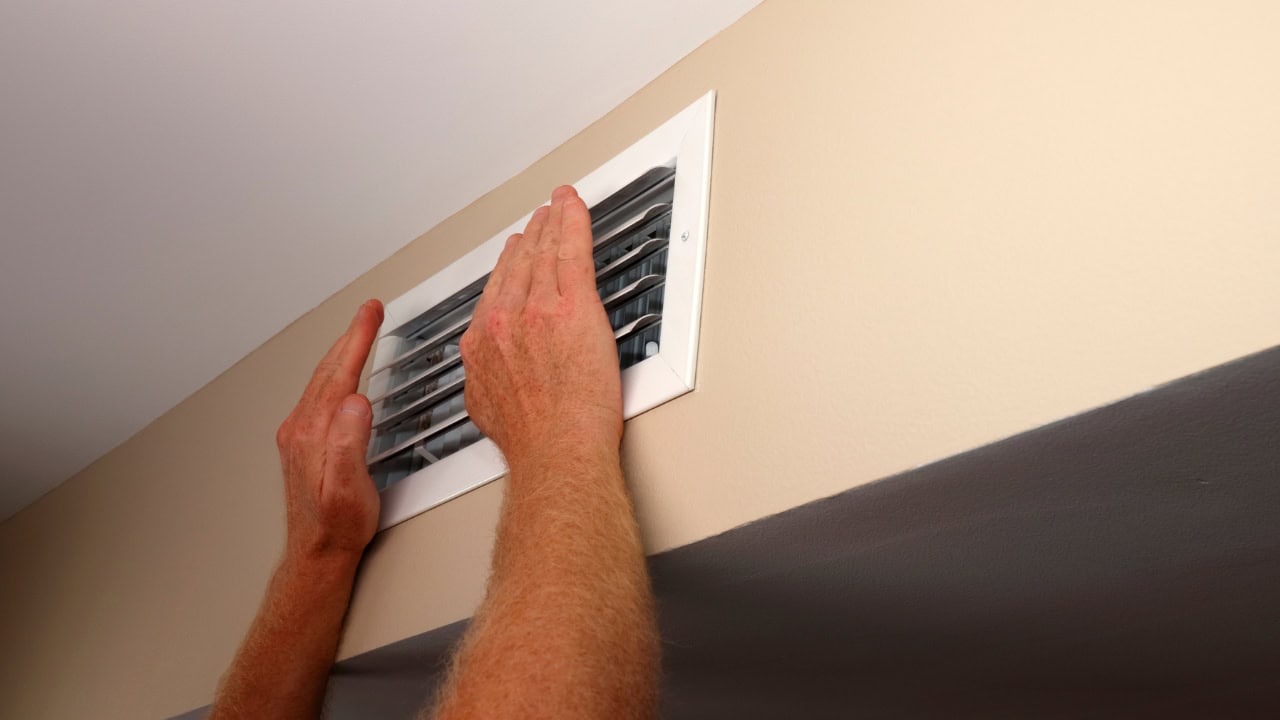
There's no reason to heat rooms no one's in. I started closing off vents in guest rooms and storage spaces. That forced the warm air into the parts of the house we spend time in.
I also added door draft stoppers to seal off unused rooms, keeping heat from drifting away. It doesn't sound like much, but redirecting airflow makes the furnace more efficient and helps your main living areas stay warmer longer.
I took advantage of the oven's heat
On days I baked or roasted something, I left the oven door cracked open afterward. That leftover heat helped warm up the kitchen and nearby areas for free. Obviously, you don't want to do that with kids or pets nearby, but if you can safely manage it, it's an easy trick to reclaim warmth you're already paying for.
Cooking at home during colder months pulls double duty-you're making meals and heating the space at the same time. Even simmering soups or casseroles adds humidity, which helps the air feel warmer overall.
I layered rugs to keep the floors from freezing
Hard floors might look great, but they lose heat fast. I added rugs in the living room, hallway, and near the beds. Even a small area rug changes how warm a room feels underfoot.
If you live in an older house or have poor insulation under the flooring, this makes a big difference. Heat rises, but cold air settles at your feet. Insulating the floor, even a little, helps the entire room stay more comfortable.
I reversed the ceiling fans
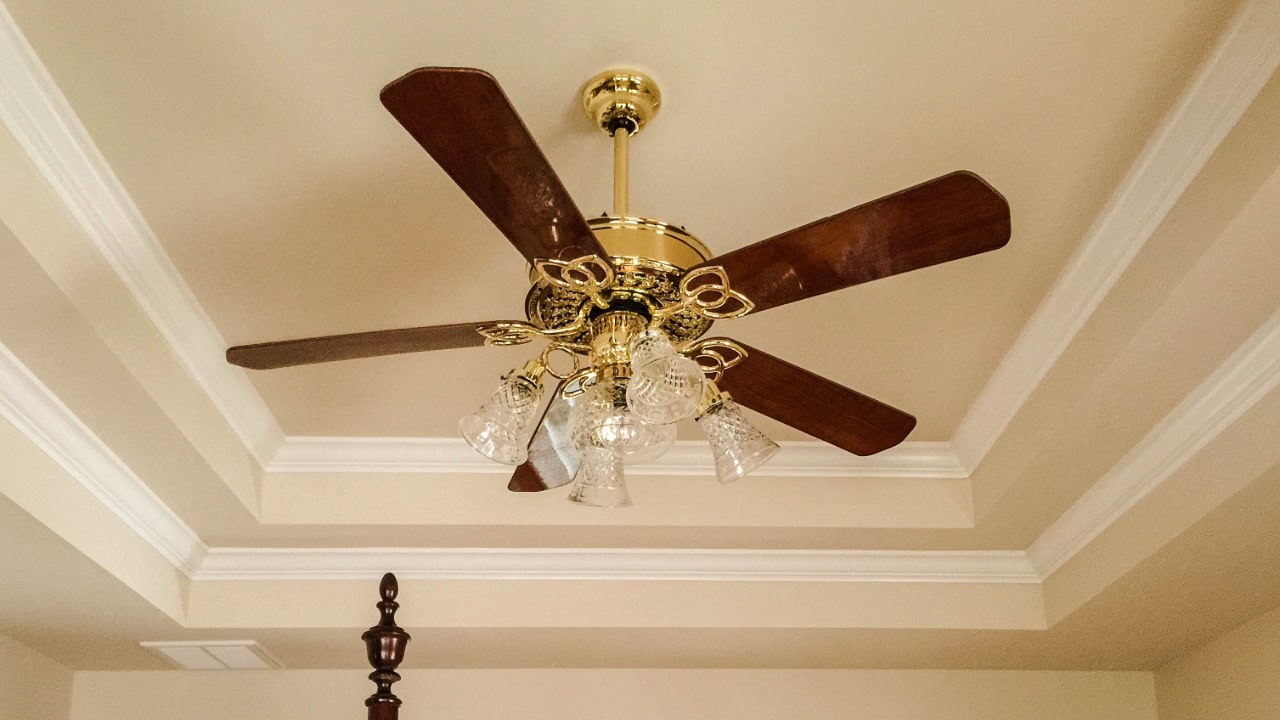
Most people forget that ceiling fans have a winter setting. Flipping the switch so the blades spin clockwise pushes warm air down instead of pulling it up. I run mine on the lowest speed-it's enough to move the air without creating a draft.
It's one of those small energy-saving habits that works quietly in the background. You won't feel the fan itself, but you'll notice the room stays evenly warm.
I watched humidity levels
Dry air feels colder, even at the same temperature. I started running a humidifier when the heat kicked on regularly. The added moisture made the air feel warmer and helped prevent dry skin and scratchy throats, too.
You don't need it running nonstop-just enough to bring the humidity back to a comfortable level. When the air feels warmer, you can keep the thermostat lower without feeling chilly.
I learned that consistency matters more than cranking the heat
The biggest surprise came from keeping the temperature steady instead of letting it swing up and down. When the heat has to climb several degrees to "catch up," it uses more energy than maintaining a lower, constant setting.
Once I found a temperature that kept the house livable-comfortable with layers-I left it there. The furnace ran less, the air stayed even, and the bill dropped.
*This article was developed with AI-powered tools and has been carefully reviewed by our editors.






Leave a Reply