
Feeding a family on a tight budget takes planning, not luck. Prices have climbed, portions have shrunk, and it feels like groceries eat more of your paycheck every month. But with a little strategy, you can still stretch $50 into a week of real meals without resorting to coupons or mystery brands.
It comes down to making smart swaps, cooking from scratch, and using every bit of what you buy. Here's exactly how I made it work-and how you can, too.
Started with a Tight Meal Plan
When money's limited, guesswork costs you more. I sat down and planned every meal for seven days before setting foot in the store.
I built meals around affordable staples I already knew would stretch-like rice, pasta, and potatoes-and picked recipes that reused ingredients to cut waste. Having a plan made it easier to stay focused and avoid impulse buys.
Bought the Store Brands
Name brands rarely make a difference, especially for basics like canned vegetables, pasta, or flour. Store brands often come from the same manufacturers at a lower price.
Swapping those out across my list saved almost $10 instantly. The flavor, texture, and quality were identical-and no one at my dinner table could tell the difference.
Focused on Versatile Ingredients
Every ingredient had to work for multiple meals. A bag of rice became a side one night, a casserole base the next, and breakfast rice pudding at the end of the week.
I skipped anything that only fit one recipe. Versatile items mean fewer purchases and more creativity, which is exactly how you stretch a small budget without feeling restricted.
Used Meat as a Flavor, Not the Main
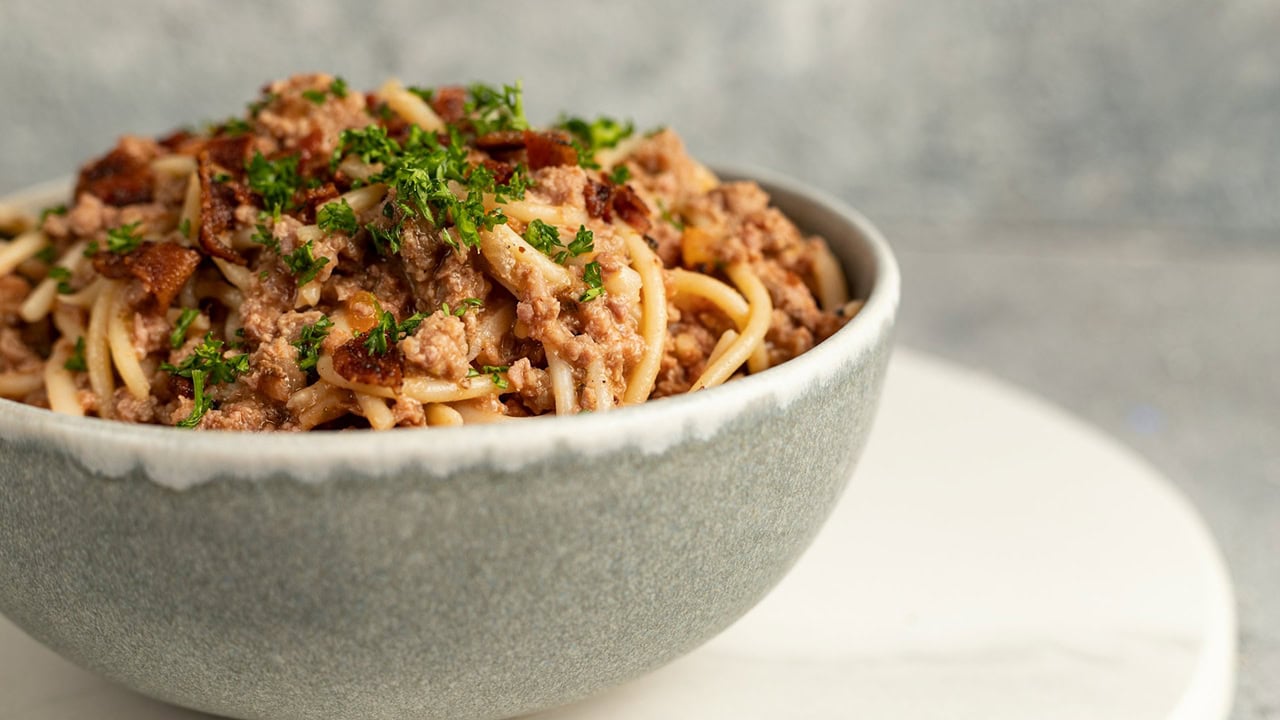
Protein is one of the biggest expenses in any grocery run. Instead of centering every meal around meat, I used smaller portions to flavor dishes.
Ground turkey, sausage, and eggs went further when mixed into rice bowls, soups, and omelets. No one missed big portions because every meal still felt hearty and filling.
Cooked from Scratch
Prepackaged foods seem convenient, but you pay heavily for that convenience. I cooked nearly everything myself-soups, sauces, even bread rolls.
It took a bit more time, but the savings were huge. A single homemade batch of soup cost less than one can of the store-bought version and fed all of us for two meals.
Made Leftovers Work Harder
Leftovers weren't reheated-they were repurposed. Roast vegetables turned into breakfast hash, and extra chicken became taco filling or sandwich wraps.
Reusing ingredients this way meant I didn't need to buy extra snacks or lunches. It kept meals interesting and waste low, which made the $50 stretch even further.
Chose Filling, Affordable Sides
Side dishes are where you can bulk up meals for cheap. Potatoes, beans, rice, and frozen vegetables are all low-cost, high-volume staples.
A $2 bag of potatoes can make mashed sides, breakfast fries, or add bulk to soups. Filling sides make smaller main dishes feel satisfying without increasing the grocery bill.
Used the Freezer Like a Tool
I froze portions as soon as I cooked them, especially soups, beans, and rice. It kept food fresh longer and made weekday meals easier.
Freezing also prevented spoilage-one of the biggest hidden costs when you're on a budget. Nothing went bad before I could use it, and I always had something ready to reheat.
Bought in Bulk Where It Counted

Buying large quantities doesn't always save money, but for pantry staples, it pays off. I picked one or two items-like rice and oats-that would last well beyond the week.
Even though it meant spending a few extra dollars upfront, it cut my long-term grocery costs. I already had two key ingredients ready for next week's meals.
Simplified Snacks and Drinks
Packaged snacks, juice boxes, and sodas eat through a budget fast. I swapped them for homemade popcorn, fruit, and water flavored with lemon slices.
It's not glamorous, but no one complained-and the savings were noticeable. Drinks and snacks are where many people quietly overspend without realizing it.
*This article was developed with AI-powered tools and has been carefully reviewed by our editors.






Leave a Reply