
Most of us have a few money moves that feel frugal in the moment and quietly drain us later. They look smart, they sound responsible, but they come with strings. When you call them out, you can swap them for habits that actually protect your budget.
Stretching maintenance until something breaks
Skipping oil changes, ignoring HVAC filters, and putting off dental cleanings feels thrifty today and writes a bigger check tomorrow. Routine care is boring on purpose-it exists to keep little issues little. Put the top twelve tasks on a card, assign each to a month, and set $10-$20 aside per paycheck in a "maintenance" envelope. Cheaper than repairs and panic fees.
Buying disposable over durable
Paper towels as cleaning cloths, single-use mop pads, bargain plastic storage that cracks-they seem cheap, but you keep rebuying. Swap to a stack of washable microfiber cloths, a real mop head you can launder, glass or sturdy plastic containers with replaceable lids, and a plunger/augur instead of single-use drain chemicals. Spend a little once, stop spending forever.
Chasing the lowest sticker instead of unit price
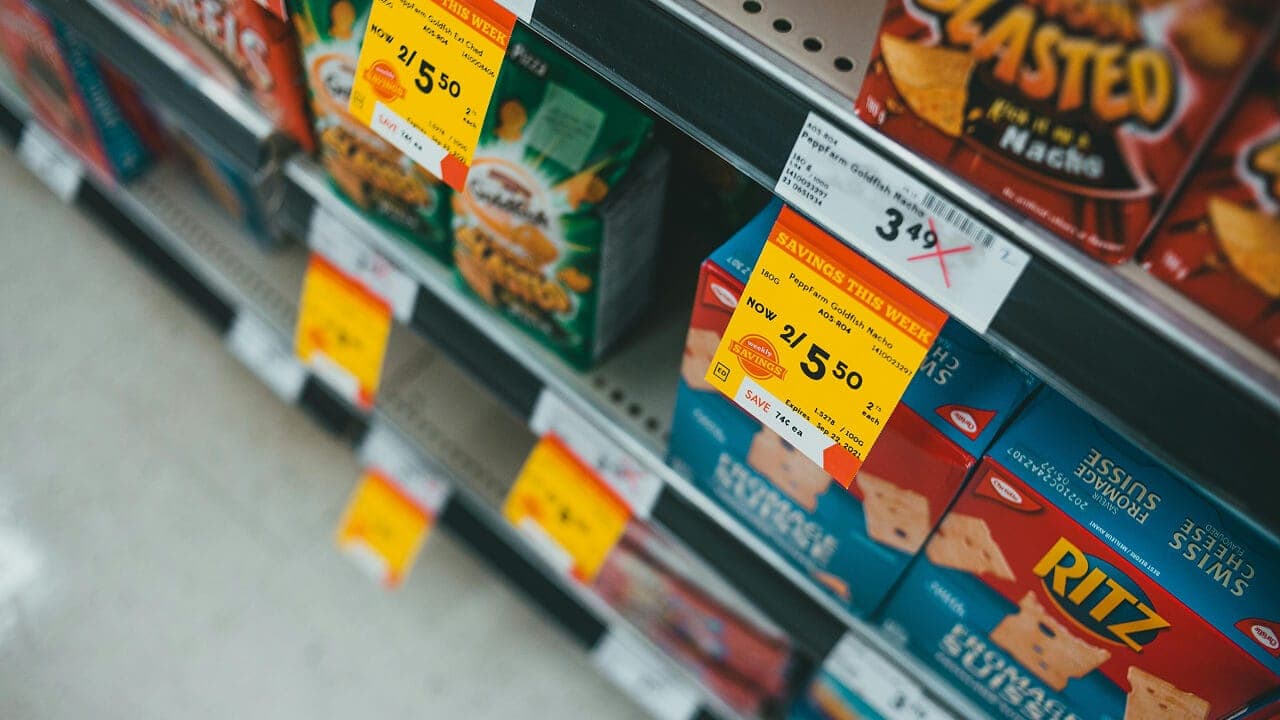
A small bottle with a small price can cost more per ounce than the "expensive" one. Write target unit prices for your top ten items (coffee per ounce, detergent per load, chicken per pound). When a sale beats your number, stock modestly. When it doesn't, pass. That single habit beats most coupon stacks.
Driving for deals without valuing your time
Three stores for a few dollars of "savings" eats fuel and energy. Pick a primary store with good base prices, a secondary with strong promos, and one specialty stop monthly. Plan your loop around errands you're doing anyway. A shorter, smarter route saves actual money and your sanity.
Joining every loyalty program
The app circus feels savvy until points expire and you bought things you didn't need to "qualify." Keep two programs that truly pay you back-usually grocery/fuel and pharmacy-and delete the rest. If a perk won't save you real money in the next 30 days, it's marketing, not a tool.
Stocking "just in case" groceries
Pantries don't need to look like TV. Overbuying orphans ingredients and wastes food. Create one "eat first" shelf, plan three dinners from what's already open, and shop holes, not hopes. You'll spend less and throw away less-which is the real savings.
Buying the cheapest furniture
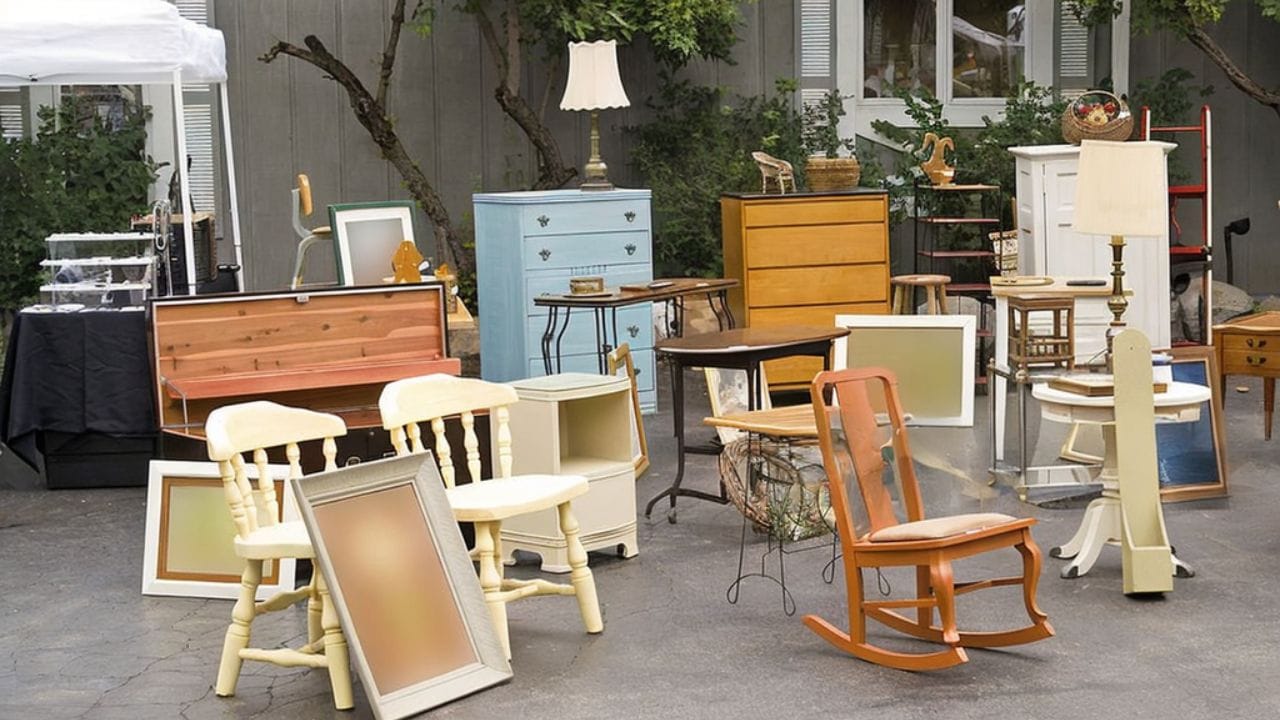
The bargain sofa that pills in six months isn't cheaper than a used solid-frame option you can re-cover. Look for materials that last-solid wood, metal hardware, washable fabrics-and buy secondhand when possible. Measure, test joints, and check weight (sturdier pieces weigh more). Cheap that fails is expensive.
Paying later to feel better now
Store cards and BNPL plans make totals look smaller and sabotage cash flow. If drafts won't line up with your deposits, skip it. If you do finance, pay it off within the promo window and put reminders in your calendar the day you swipe.
Swap these habits one at a time. You'll feel the difference within a month-and your future self will thank you.
*This article was developed with AI-powered tools and has been carefully reviewed by our editors.






Leave a Reply