
There's a fine line between being smart with money and pretending to be. A lot of people end up spending more in the name of saving - buying cheap versions that don't last, stocking up on "deals" they don't need, or skipping small expenses that cost them big later.
Real frugality isn't about appearances; it's about efficiency and value. When you're focused on looking thrifty instead of being intentional, you end up missing the point - and your bank account feels it.
Buying the Cheapest Version Every Time
There's a difference between affordable and cheap. Picking the lowest price tag often means you'll replace that item sooner - whether it's a pair of shoes or a kitchen tool.
Spending a few extra dollars on quality that lasts saves more long-term. True frugality focuses on cost per use, not sticker price.
Driving Across Town for Small Savings
Chasing a few cents off per gallon or a tiny grocery discount can waste more in gas than you actually save. The time spent also has value - and you never get that back.
The smartest savers factor in time, distance, and convenience. If you're spending $3 in fuel to save $1, it's not a deal.
Hoarding "Deals" You Don't Need
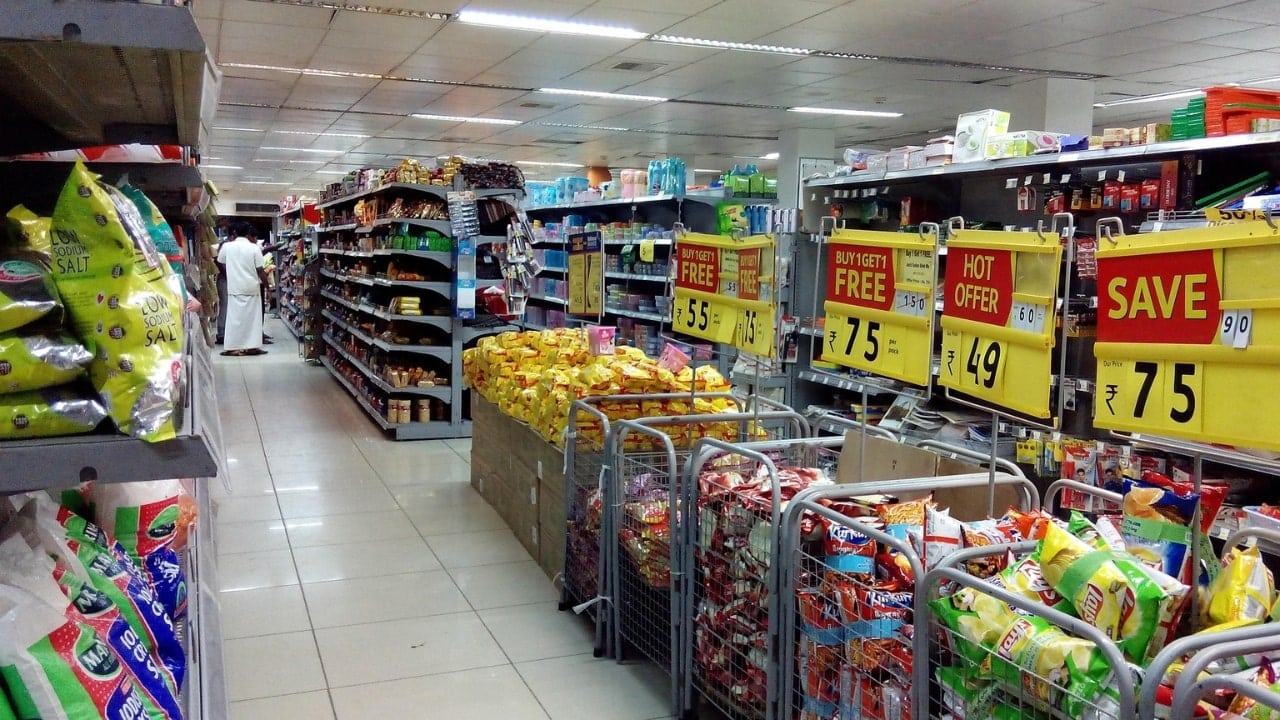
Clearance aisles and buy-one-get-one sales feel rewarding, but they often lead to clutter and waste. Buying things "just in case" ties up cash in stuff you might never use.
A good deal only matters if it fits your needs. Otherwise, it's money sitting on a shelf collecting dust.
DIY-ing Everything Without the Skills
Doing things yourself sounds frugal - until you have to pay a pro to fix your mistakes. Painting, plumbing, or car work can get expensive fast when done wrong.
Frugal people know when to call in help. Spending a little upfront often prevents bigger, costlier issues later.
Skipping Regular Maintenance
Avoiding maintenance feels like saving - until something breaks. Ignoring oil changes, roof repairs, or appliance checks almost always leads to higher bills down the road.
Preventive care keeps your stuff lasting longer. True frugality is maintenance, not avoidance.
Buying in Bulk Without a Plan

Buying in bulk can be great, but only when you'll actually use it. Oversized packs of food or supplies that expire before you finish them turn "savings" into waste.
The key is matching bulk buys to your habits. A deal that ends up in the trash is no deal at all.
Refusing to Spend on Comfort or Convenience
Being too stingy can backfire. Refusing to spend $10 on something that saves you hours or keeps you healthy isn't wise - it's stubborn.
There's nothing frugal about burnout or poor quality of life. Smart saving means spending strategically on what improves your day-to-day.
Skipping Insurance or Warranties Entirely
Cutting coverage to lower monthly bills can seem responsible until an emergency hits. Repair costs or medical expenses can drain savings in a single event.
The goal isn't to avoid every expense - it's to protect yourself from the big ones. Frugal people plan ahead; cheap people gamble.
Ignoring Quality Secondhand Options
Many people equate "used" with low value, then overspend on new versions of the same thing. Buying quality secondhand - from tools to furniture - stretches your money further.
It's not about depriving yourself. It's about recognizing when someone else already paid the markup so you don't have to.
*This article was developed with AI-powered tools and has been carefully reviewed by our editors.






Leave a Reply