

There's no shortage of apps promising to fix your stress, improve your sleep, and get your life together-for a fee. And while some people swear by them, I've found plenty of ways to manage stress without handing over a dime.
These habits don't require a login or subscription. There are things I've built into my routine that genuinely help when life feels too loud or out of control. They're free, practical, and easy to come back to when you've had enough of everything else.
Writing things down when I feel scrambled
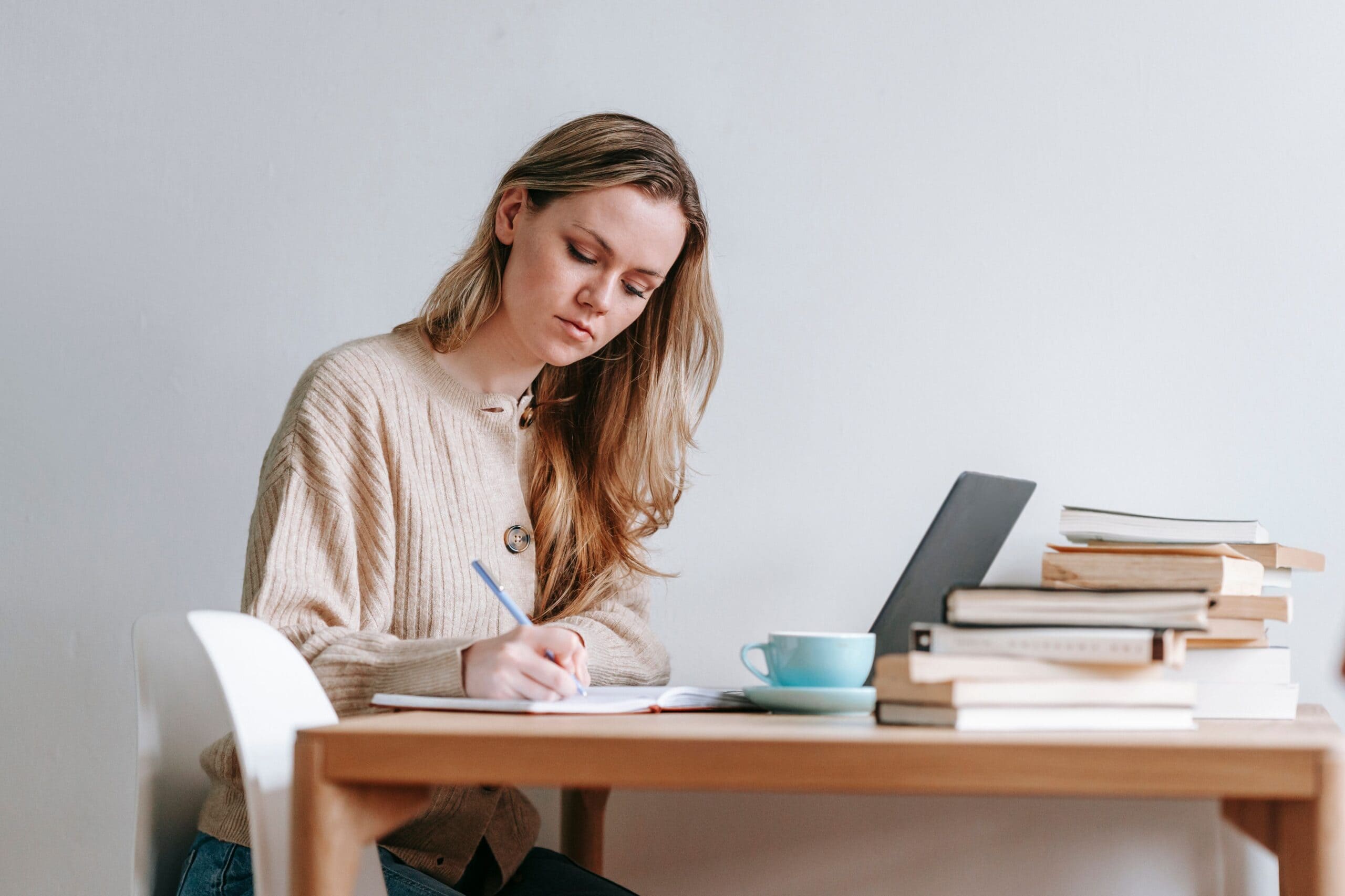
When your brain's running in circles, writing things down gives the chaos somewhere to go. I don't mean journaling with prompts or anything complicated-just dumping thoughts on paper so they're not bouncing around in your head anymore.
It helps more than you'd think. Even when I'm overwhelmed, taking five minutes to jot out a to-do list or write how I'm feeling gives me clarity. And it's free. All you need is a pen and whatever scrap paper is nearby.
Taking a walk around the yard or block

Getting outside resets everything for me. It doesn't have to be a power walk or some intentional workout. Sometimes it's just stepping away from the noise inside and walking the perimeter of the yard for five minutes.
Fresh air and movement do more for stress than sitting on your phone ever will. When your brain feels fried, moving your body-even slowly-can break that stuck feeling. And you don't need an app to make that happen.
Making something with my hands

Stress builds up fast when everything feels digital or abstract. Doing something physical-like folding laundry, pulling weeds, or chopping vegetables-gives you a sense of control that actually sticks.
It doesn't have to be productive in a big way. I've kneaded bread dough or decluttered a drawer just to get out of my own head. There's something about using your hands that gets your brain to quiet down for a minute.
Cleaning one corner of something
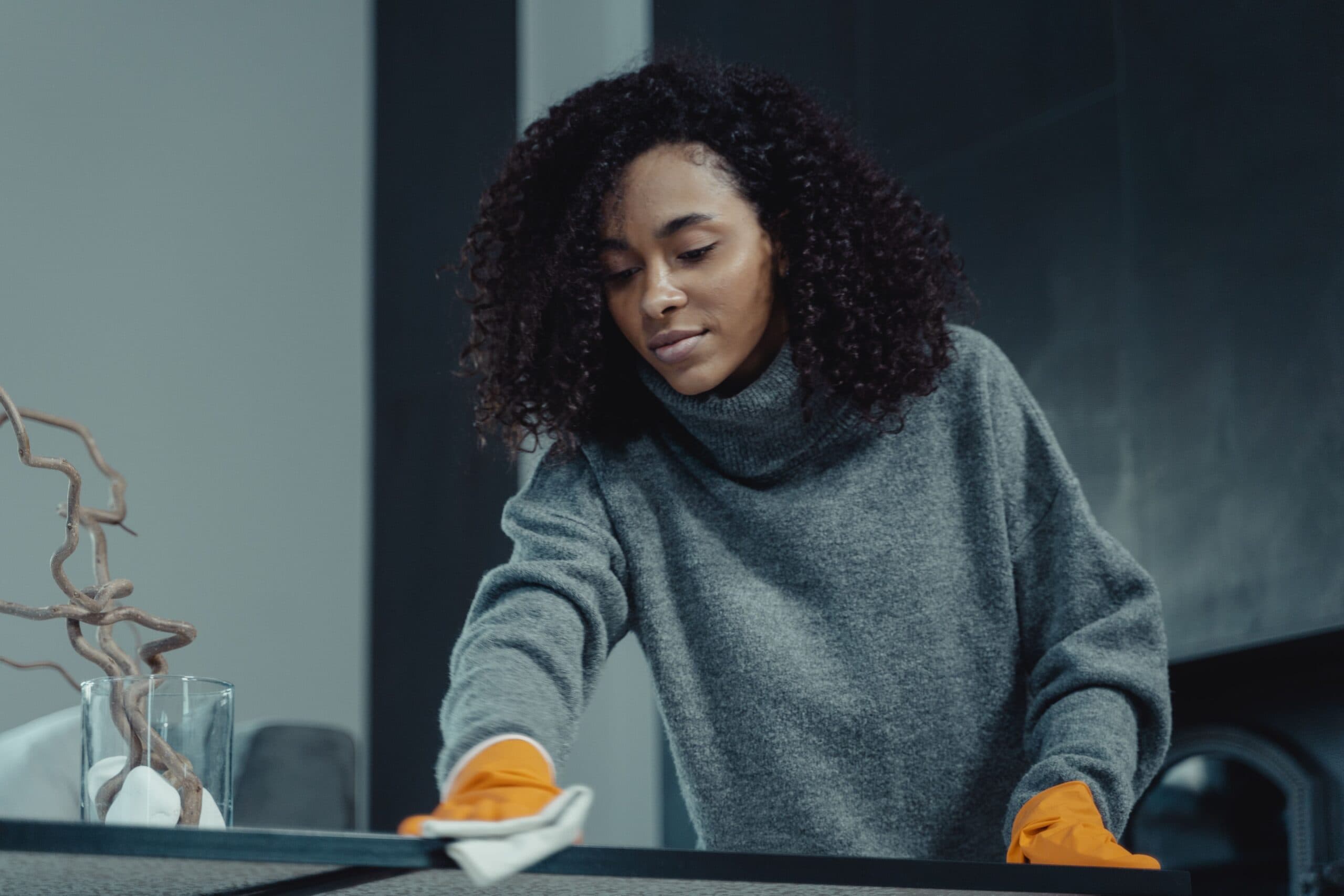
If your space looks chaotic, your brain probably feels the same. I don't tackle the whole house when I'm stressed, but I will clean a sink, wipe down a counter, or organize one drawer. That one small win makes a difference.
When everything feels too big, choosing one tiny thing you can fix helps you feel a little more grounded. It doesn't solve all your problems, but it makes you feel like you’re at least moving forward.
Sitting in silence (even for two minutes)

We're used to filling every second with noise-music, podcasts, notifications. But when I'm anxious or overstimulated, silence helps me come back to myself faster than anything else.
I'll sit in the car or bathroom or backyard for a couple of minutes and breathe without talking or listening to anything. It feels awkward at first, but it's the kind of quiet that lets your nervous system catch up.
Limiting caffeine when I'm already on edge
It's easy to reach for another cup of coffee when you're stressed, but I've learned that pushing past my limit makes me jittery, irritable, and more anxious than before. Cutting myself off early in the day helps.
Instead of going cold turkey, I'll switch to water or herbal tea in the afternoon. My brain stays clearer, and I don't crash as hard later. It's an unexciting shift, but it really changes how I feel.
Having a no-socials hour

Scrolling doesn't help me feel better-if anything, it makes my brain feel more crowded. So I've gotten used to putting my phone out of reach for an hour, especially when I notice I'm reaching for it out of habit, not purpose.
Even if I don't do anything special during that time, it gives my brain room to breathe. Most of the time, I feel calmer and more in control once I've had a break from everyone else's noise.
Going to bed earlier-even by 20 minutes

When you're stressed, everything feels worse on low sleep. I've found that going to bed just a little earlier makes a huge difference in how I handle the next day. It's not a magic fix, but it makes everything more manageable.
Even shifting your bedtime by 15 or 20 minutes adds up. You're not relying on a sleep tracker or an app to tell you how you feel. You'll know-because you'll actually start to feel like yourself again.
*This article was developed with AI-powered tools and has been carefully reviewed by our editors.






Leave a Reply